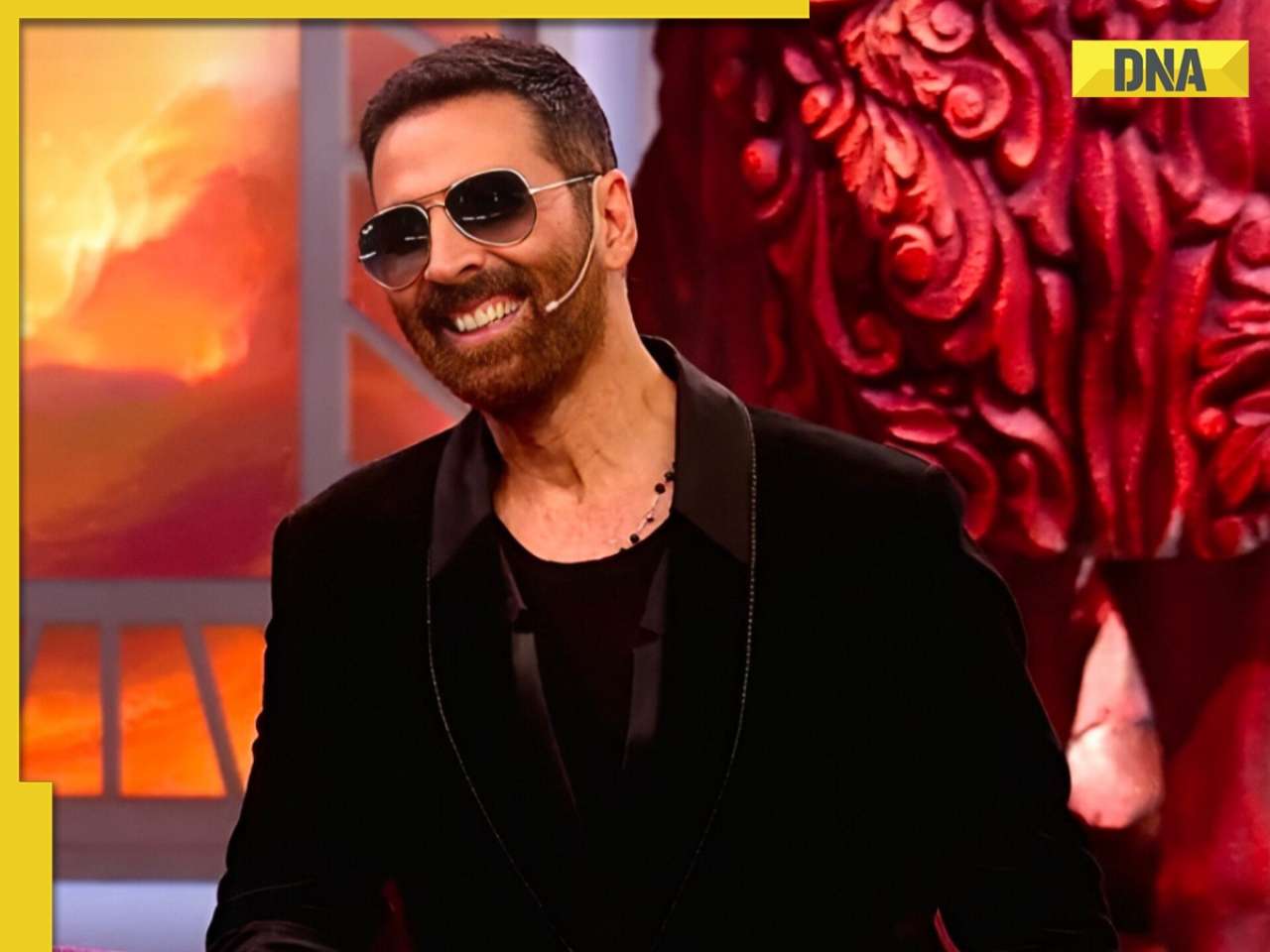
Akshay Kumar Addresses Deepfake Videos: A Growing Concern in the Age of AI & Media Obligation
Have you seen the incredibly realistic, yet fabricated, videos circulating online featuring Akshay Kumar as Maharishi valmiki? You’re not alone.This incident highlights a rapidly escalating issue: the proliferation of AI-generated deepfakes and the critical need for media verification. Bollywood superstar Akshay Kumar recently addressed these videos directly, clarifying thay are entirely AI-created and urging responsible reporting from news outlets. But this isn’t just about one actor; it’s a watershed moment in how we consume and trust information.
This article dives deep into the situation, exploring the implications of AI-generated content, the actor’s response, details about his upcoming project Jolly LLB 3, and what this means for the future of media and entertainment.
The Rise of the deepfake: Akshay Kumar as Maharishi Valmiki
On September 23, 2025, Akshay Kumar took to Instagram and Twitter to address the viral videos depicting him in the role of the revered sage Maharishi Valmiki.The videos, convincingly crafted using artificial intelligence, showed what appeared to be a trailer for a film that doesn’t exist.
“I have recently come across some AI-generated videos of a film trailer showing me in the role of Maharishi Valmiki.I want to clarify that all such videos are fake and created using AI,” Kumar stated on his social media platforms. He further expressed his disappointment with certain media channels that reported on the videos without verifying their authenticity.
This isn’t simply a case of harmless fun.Kumar rightly pointed out the dangers of spreading misinformation, especially in an era were AI can create increasingly realistic and deceptive content. “What’s worse, some news channels decide to pick these up as ‘news’ without even verifying if these are real or morphed. In today’s time, when misleading content is being produced at great speed through manipulative AI, I sincerely request media houses to verify and report only after authenticating the information,” he emphasized.
Why is this significant? The speed and sophistication of AI-generated content are outpacing our ability to discern fact from fiction. This has profound implications for public trust, political discourse, and even personal reputations. The incident serves as a stark warning about the potential for misuse of this technology.
Understanding Deepfakes: How They Work & why They’re Dangerous
Deepfakes utilize a form of artificial intelligence called deep learning to manipulate or generate visual and audio content. Here’s a simplified breakdown:
* Data Collection: AI algorithms are fed massive datasets of images and videos of a target person.
* Learning & Mapping: The AI learns the person’s facial expressions, voice patterns, and mannerisms.
* Content Creation: The AI then uses this knowledge to map the target person’s likeness onto another person’s body or to create entirely new scenarios.
The results can be incredibly convincing, making it difficult for the average viewer to distinguish between real and fake content.
The dangers are multifaceted:
* Reputational Damage: Deepfakes can be used to create damaging or defamatory content,harming an individual’s reputation.
* Political Manipulation: Fabricated videos of politicians can be used to influence elections or incite unrest.
* Financial Fraud: Deepfakes can be used to impersonate individuals for fraudulent purposes.
* Erosion of Trust: The widespread availability of deepfakes can erode public trust in media and institutions.
Resources for learning more about deepfakes:
* MIT Technology Review – Deepfakes: https://www.technologyreview.com/topic/deepfakes/
* Brookings – The proliferation of deepfakes: https://www.brookings.edu/articles/the-proliferation-of-deepfakes-what-is-being-done-to-counter-them/
Beyond the Deepfake: Akshay Kumar’s Jolly LLB 3
While addressing the deepfake issue,Akshay Kumar is also
Worth a look