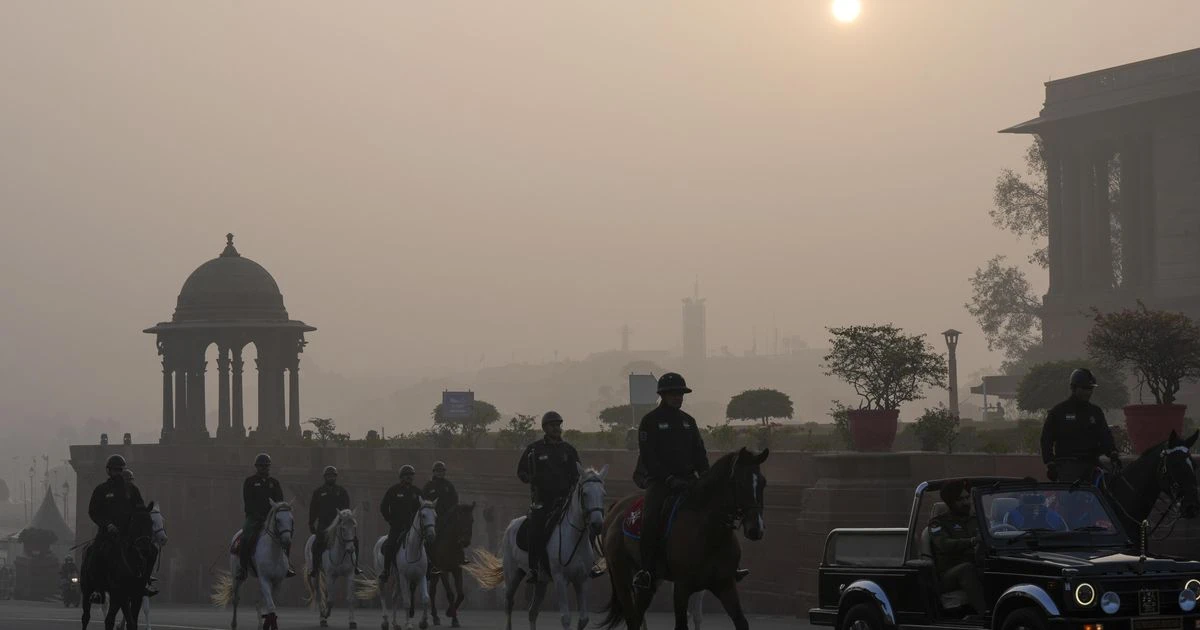
Delhi Pollution Prompts Finance Executive’s Resignation: A Sign of Growing Concerns?
Teh air quality in Delhi continues to be a critical issue, now impacting even high-level corporate decisions. Rajkumar Bafna, President of Finance at Akums Drugs and Pharmaceuticals Ltd, recently resigned, citing Delhi’s severe pollution levels as the primary reason. This isn’t simply a personal decision; it’s a stark indicator of the escalating health risks associated with living and working in the Indian capital.
Bafna, a Senior Management personnel, formally submitted his resignation to CFO Sumeet Sood, requesting immediate relief. His letter explicitly linked his departure to the deteriorating air quality. The company accepted his resignation, effective December 31, 2025, acknowledging his health concerns. Sood’s response, while regretful, underscored the company’s understanding of Bafna’s predicament.
The Rising Tide of Delhi’s Air Pollution
This resignation arrives amidst increasingly stringent measures to combat Delhi’s hazardous air quality. The city has been operating under the Graded Response Action Plan (GRAP), implementing restrictions on construction, vehicle usage, and even recommending work-from-home arrangements and school closures during peak pollution periods. These measures, while necessary, highlight the severity of the situation.
Recent announcements from Delhi Habitat Minister Manjinder Singh Sirsa indicate a commitment to long-term solutions. two restrictions under GRAP Stage-4 – ensuring valid Pollution Under Control Certificates (PUCC) for all vehicles and restricting entry to vehicles not meeting Bharat Stage VI (BS6) emission standards – will now be permanent fixtures. This proactive approach signals a growing recognition of the need for sustained action.
Beyond Individual Cases: The Economic Impact of Air Pollution
Bafna’s case isn’t isolated. The economic consequences of Delhi’s pollution are becoming increasingly apparent. Beyond individual health impacts and resignations, prolonged exposure to poor air quality leads to reduced productivity, increased healthcare costs, and a potential decline in foreign investment.
A 2023 report by the Centre for Science and Environment (CSE) estimates that air pollution costs India approximately $80 billion annually in healthcare expenses and lost productivity.https://www.cseindia.org/air-pollution-costs-india-80-billion-annually-13991 This figure underscores the urgent need for comprehensive and effective pollution control strategies.
What’s Driving delhi’s Pollution Crisis?
Several factors contribute to Delhi’s persistent air pollution problem. These include:
* Vehicular Emissions: A large and growing vehicle fleet, many of which don’t meet modern emission standards.
* Industrial Pollution: Emissions from factories and power plants, notably those using coal.
* Construction Dust: Unregulated construction activities generate significant amounts of particulate matter.
* Agricultural Burning: Stubble burning in neighboring states contributes significantly to pollution levels, especially during the winter months.
* Geographical Factors: Delhi’s landlocked location and meteorological conditions can trap pollutants.
Actionable Steps for Individuals and Businesses
While systemic change is crucial, individuals and businesses can also take steps to mitigate the impact of Delhi’s pollution:
* Invest in Air Purifiers: For homes and offices, HEPA-filter air purifiers can significantly improve indoor air quality.
* Utilize Public Transportation: Reduce your carbon footprint and exposure to pollutants by opting for public transport,cycling,or walking whenever possible.
* Promote Remote Work: Encourage work-from-home options to reduce commuting and associated emissions.
* Support Lasting Practices: Choose businesses committed to environmental responsibility.
* Monitor Air Quality: Regularly check the Air Quality Index (AQI) using resources like the Central Pollution Control Board (CPCB) website. https://cpcb.nic.in/
Looking Ahead: Long-Term Solutions
Addressing Delhi’s pollution crisis requires a multi-pronged approach. This includes stricter enforcement of emission standards, investment in cleaner energy sources, promotion of sustainable transportation, and regional cooperation to address agricultural burning.
Furthermore, innovative solutions like smog towers and artificial rain are being explored, though their effectiveness remains a subject of debate. The key lies in a sustained commitment to long-term solutions, prioritizing public health and environmental sustainability.
**Evergreen Section: