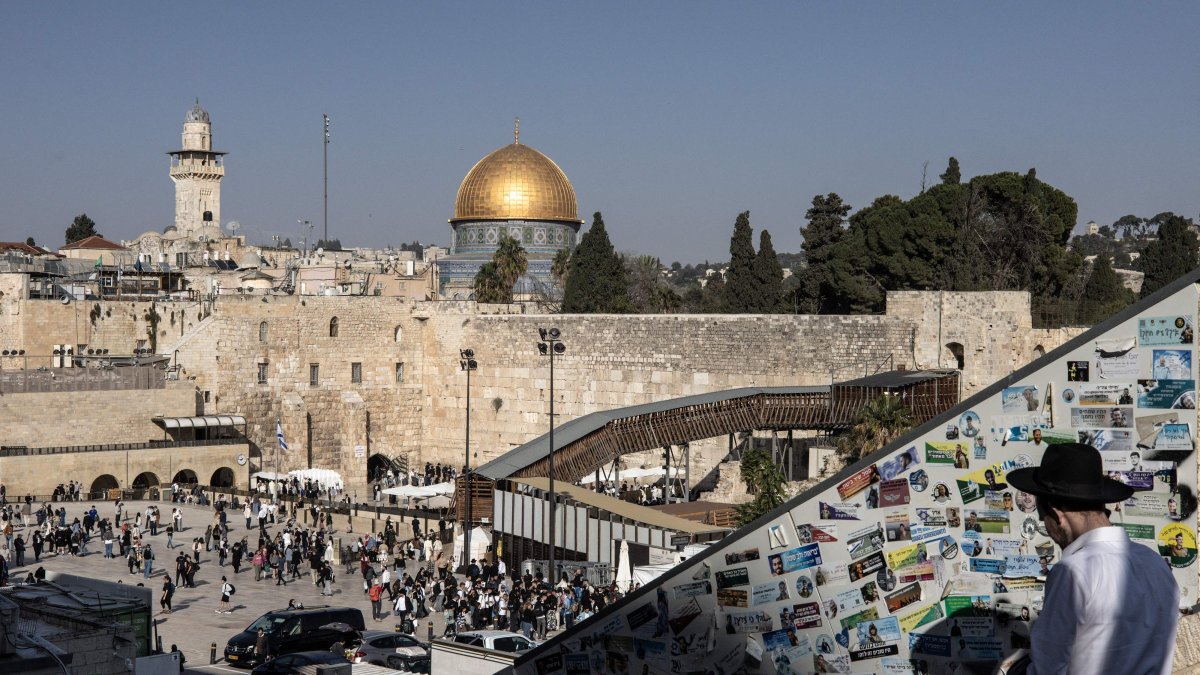
Rising Tensions at Al-Aqsa Mosque: A Deep Dive into Recent Events
Recent days have witnessed escalating concerns surrounding the Al-Aqsa Mosque compound in occupied East Jerusalem.over one hundred Israeli settlers entered the site on Wednesday, accompanied by a meaningful Israeli police presence, raising anxieties about the status quo of this deeply sensitive holy place. Understanding the context of these events requires a look at the history,religious significance,and current political climate.
What Happened on Wednesday?
According to reports, 109 settlers entered the mosque grounds during both the morning and afternoon prayer times. These incursions occurred through the Moroccan Gate, situated on the western side of the compound, and where conducted under the protection of israeli police. Settlers reportedly engaged in prayers and talmudic rituals within the flashpoint site itself.
A History of Incursions
Israeli police have permitted settler access to the Al-Aqsa Mosque compound since 2003. This practice has consistently drawn objections from the Jerusalem Islamic Waqf,the administrative body responsible for overseeing the site. However, the frequency and nature of these incursions have demonstrably increased since late 2022.
This shift coincides with the appointment of Itamar ben-Gvir as Israel’s national security minister.Ben-Gvir, along with other government officials and Knesset members, has actively participated in these visits, further fueling Palestinian concerns. You might be wondering why this is so contentious – it’s about perceived challenges to long-held understandings.
Why is Al-Aqsa Mosque so Important?
Al-Aqsa mosque holds immense religious significance for Muslims worldwide, ranking as the third-holiest site in Islam. It’s believed to be the location of the Prophet Muhammad’s Night Journey. For Jews, the area is known as the Temple Mount, considered the site of two ancient Jewish temples. This dual claim to religious importance is at the heart of the ongoing tensions.
Understanding the Political Landscape
israel occupied east Jerusalem during the 1967 arab-Israeli War and subsequently annexed the entire city in 1980. However, this annexation has never been internationally recognized. Consequently, the status of Jerusalem – and specifically, the Al-Aqsa Mosque compound – remains a core issue in the Israeli-Palestinian conflict.
What Does This Mean for the Future?
These recent events underscore the fragility of the status quo at Al-Aqsa Mosque. Increased settler activity and perceived challenges to Waqf authority raise the risk of further escalation. It’s crucial to remember that even seemingly minor changes to the arrangements at the site can have significant repercussions.
* Monitoring is Key: Continued observation of activity within the compound is vital.
* Dialog is Essential: Fostering communication between all stakeholders is paramount.
* Respect for Religious Sensitivities: Recognizing and respecting the religious significance of the site for both Muslims and Jews is crucial for de-escalation.
Ultimately,maintaining peace and stability at Al-Aqsa mosque requires a commitment to preserving the existing arrangements and avoiding any actions that could be interpreted as provocative or disruptive. Your understanding of these complexities is the first step towards informed engagement with this critical issue.
Related reading