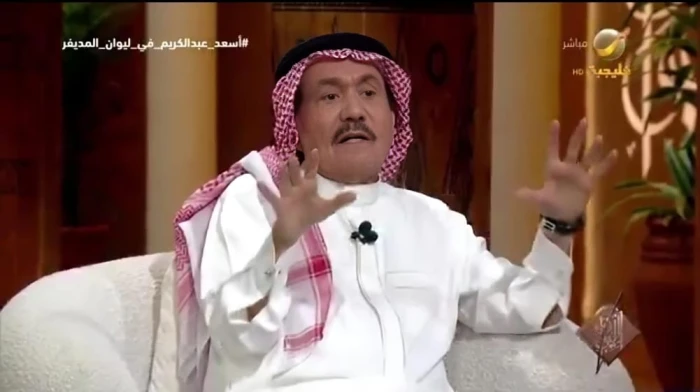
London, United Kingdom – Recent comments from a prominent figure in Saudi Arabian football have shed light on the internal dynamics within the Al-Ittihad club, specifically regarding the relationship between former club president منصور البلوي (Mansour Al-Balawi) and أسعد عبد الكريم (Asaad Abdul Karim). Abdul Karim, a long-standing member of Al-Ittihad’s board of directors, has publicly discussed what he describes as a gradual shift in influence during Al-Balawi’s tenure, and his own subsequent diminishing role in player acquisitions.
The discussion arose during an appearance on the “الليوان” (Al-Liwan) program on Rotana الخليجية (Rotana Khalejia) television, as reported by صحيفة المرصد (Al-Marsd). Abdul Karim clarified that accounts of a direct “overthrow” or deliberate sidelining by Al-Balawi are not entirely accurate. Instead, he detailed a process where his direct involvement in transfer negotiations lessened as Al-Balawi became more directly engaged with players, and agents.
The Evolution of Transfer Strategy at Al-Ittihad
Abdul Karim recounted his initial role in securing the transfer of أسامة هوساوي (Osama Hawsawi) from Al-Wahda. He stated he personally led the negotiations for Hawsawi, and subsequently engaged in talks with other potential signings, with Al-Balawi’s awareness and presence. However, as Al-Balawi became more involved in the process, direct communication channels opened, and Abdul Karim’s role evolved towards oversight and providing opinions rather than leading negotiations. “With time, and with Al-Balawi’s interaction with the group, things calmed down and direct communications began, but respect and appreciation remained,” Abdul Karim explained, according to Al-Marsd.
This shift, Abdul Karim indicated, wasn’t a source of conflict, but rather a natural progression. He emphasized that he holds no ill will towards Al-Balawi, stating, “I do not blame anyone who did not want me to continue, and everyone is free in their own right. I did what I had to do for Al-Ittihad.” This statement suggests a pragmatic acceptance of the changing power dynamics within the club.
Mansour Al-Balawi’s Rise and Abdul Karim’s Initial Support
Interestingly, a recent TikTok video shared by روتانا خليجية (@khalejiatv) reveals that Abdul Karim was, in fact, a key advocate for Al-Balawi’s appointment as president of Al-Ittihad, despite initial opposition. The video shows Abdul Karim stating he “insisted on nominating Mansour Al-Balawi” for the presidency, acknowledging the significant resistance he faced at the time. This adds a layer of complexity to the narrative, highlighting Abdul Karim’s initial confidence in Al-Balawi’s leadership.
This earlier support underscores the evolution of their working relationship. While Abdul Karim initially championed Al-Balawi, the subsequent shift in control over transfer dealings led to a change in his role within the club. The details of this transition, as described by Abdul Karim, suggest a gradual process rather than a sudden power grab.
The Context of Saudi Football and Club Dynamics
The situation at Al-Ittihad reflects broader trends within Saudi Arabian football, where club leadership and transfer strategies are often subject to significant influence from key stakeholders. The Saudi Pro League has seen substantial investment in recent years, attracting high-profile international players and increasing the stakes for club success. This heightened competition can contribute to internal power struggles and shifts in decision-making processes. The league’s increasing global profile, fueled by investments from the Public Investment Fund (PIF), has placed greater scrutiny on the governance and operations of clubs like Al-Ittihad.
Understanding the dynamics within Al-Ittihad requires acknowledging the complex interplay between club officials, influential figures, and the broader political and economic landscape of Saudi Arabian football. The comments from Abdul Karim offer a rare glimpse into these internal workings, providing valuable insight into the challenges and opportunities facing one of the country’s most prominent clubs.
Abdul Karim’s Legacy and Future Outlook
Despite the shift in his role, Abdul Karim maintains a positive outlook, emphasizing his commitment to Al-Ittihad and his satisfaction with his contributions. He asserts that he fulfilled his responsibilities to the club, regardless of any changes in his level of influence. This sentiment suggests a sense of professional pride and a willingness to accept the evolving nature of his involvement.
As Al-Ittihad continues to navigate the increasingly competitive landscape of Saudi Arabian football, the lessons learned from this period of transition could prove valuable. The club’s ability to balance the influence of key stakeholders, maintain a clear transfer strategy, and foster a collaborative environment will be crucial to its long-term success. The Saudi Pro League is currently undergoing significant transformation, with ambitious plans for further growth and development. Rotana Khalejia’s coverage highlights the league’s broader ambitions and the challenges it faces in achieving its goals.
The comments from Abdul Karim provide a valuable historical perspective on the internal dynamics of Al-Ittihad, offering insights into the complexities of club management and the evolving relationships between key figures. While the details of the shift in power may not be a story of outright conflict, they reveal a nuanced process of adaptation and change within one of Saudi Arabia’s most prestigious football clubs.
Looking ahead, Al-Ittihad will undoubtedly continue to face challenges and opportunities as it strives to maintain its position as a leading force in Saudi Arabian football. The club’s ability to learn from its past experiences and embrace a collaborative approach will be essential to its future success.
Next Steps: Al-Ittihad is currently preparing for the second half of the Saudi Pro League season. Further updates on club transfers and leadership decisions are expected in the coming weeks. Stay tuned to World Today Journal for continued coverage of Saudi Arabian football and its evolving landscape.
What are your thoughts on the dynamics within Al-Ittihad? Share your comments below and join the discussion.
Related reading