
Albania Protests: Sazan Island Resort Backlash Sparks Nationwide Anti-Government Sentiment
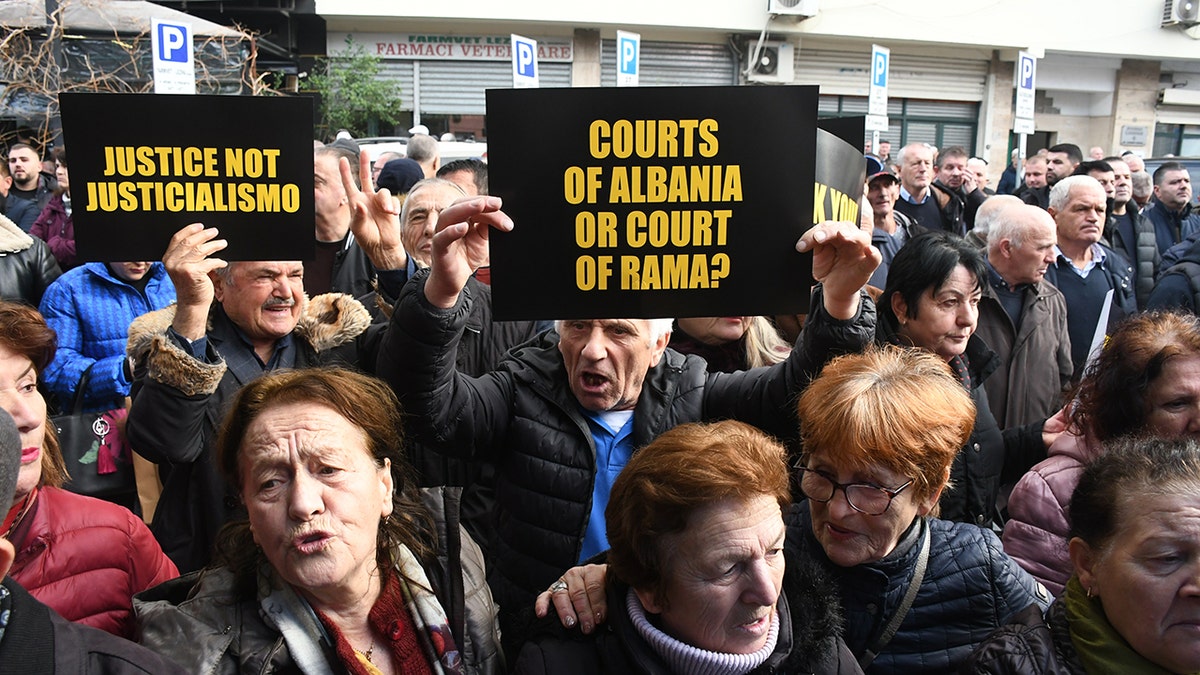
Tirana, Albania — Protests against plans to develop a luxury resort on Albania’s Sazan Island—backed by Jared Kushner, senior advisor to former US President Donald Trump—have escalated into a nationwide movement against government corruption, with demonstrators chanting “We want a new Albania.” The unrest, which began in April, has now spread to major cities including Tirana, Vlore, and Durres, as critics accuse Prime Minister Edi Rama’s administration of prioritizing foreign investment over public interests amid stalled EU accession talks.
According to Reuters, the Sazan Island project—part of a broader $1.2 billion tourism development deal—has become a symbol of perceived elite capture, with opposition figures describing it as “a new form of colonialism.” The government maintains the project will create jobs and boost Albania’s economy, but environmental groups warn it threatens the island’s protected status and marine ecosystems.
With Albania’s EU accession process at a critical juncture—Brussels has repeatedly cited corruption and rule-of-law concerns—experts say the protests could force the government to reconsider its approach to foreign investment. “This is about more than one island,” said Balkan Insight political analyst Arben Pula. “It’s a rejection of a model that has delivered little for ordinary citizens.”
Why Sazan Island? The Controversial $1.2 Billion Resort Project
Sazan Island, a 17-square-kilometer nature reserve off Albania’s southern coast, has been at the center of a storm over the government’s decision to lease 99-year concessions for two luxury resorts. The project, led by a consortium including Kushner Companies and Ivanka Trump’s development firm, was approved in 2023 despite warnings from environmental groups and opposition parties about its potential ecological and social impacts.
According to Euronews, the deal includes plans for:
- A 5-star hotel with 300 rooms on Sazan Island
- Marina facilities and private beaches
- Infrastructure upgrades connecting the island to Vlore
The government argues the project will create 2,000 jobs and position Albania as a Mediterranean tourism hub. However, critics point to the lack of transparency in the bidding process and concerns that the island’s protected status under the Bern Convention could be compromised. “This is not development—it’s a land grab,” said Greenpeace Albania campaigner Blendi Kola, adding that the project lacks proper environmental impact assessments.
Key Statistic: According to Albania’s Institute of Statistics, tourism accounted for 12.3% of GDP in 2023, but only 1.8% of the workforce is employed in the sector—highlighting the potential economic disparity if jobs created are dominated by foreign-owned enterprises (source).
From Local Opposition to Nationwide Protests: How the Movement Spread
The initial protests began in April when local fishermen and environmental activists blocked roads leading to Sazan Island, demanding the government halt construction. Within weeks, the movement had gained traction, with opposition parties organizing rallies under the banner “Albania is not for sale.”
By early June, demonstrations had reached Tirana, where thousands gathered outside the prime minister’s office, chanting slogans targeting both the government and foreign investors. Police used tear gas to disperse some protests, raising concerns about human rights violations amid Albania’s EU accession negotiations.
According to Al Jazeera, the protests have also seen:
- Occupation of government buildings in Vlore
- Petitions with over 50,000 signatures demanding a referendum on the project
- Alliances between environmental groups, trade unions, and opposition parties
Timeline of Key Events:
| Date | Event | Source |
|---|---|---|
| April 15, 2024 | First protests by Sazan Island fishermen | BalkanWeb |
| May 5, 2024 | Opposition parties unite under “Albania is not for sale” banner | Albanianews |
| June 2, 2024 | Tirana protests turn violent; police use tear gas | Al Jazeera |
| June 10, 2024 | EU delegation postpones Albania accession meeting | Euractiv |
EU Accession at Risk: How the Protests Could Derail Albania’s European Ambitions
Albania’s EU accession process has been stalled for years due to concerns over corruption, organized crime, and rule-of-law deficits. The Sazan Island protests come as Brussels prepares to assess Albania’s progress in its next accession package, scheduled for late 2024.
According to Euronews, the European Commission’s 2023 report on Albania highlighted:
- Ongoing concerns about “capture of the state by oligarchs”
- Lack of progress in fighting corruption in the judiciary
- Weak enforcement of environmental protections
The protests have intensified scrutiny over Albania’s handling of foreign investment, particularly deals involving high-profile figures. While the government has defended the Sazan project as economically beneficial, EU officials have privately expressed concerns that such deals could undermine Albania’s reform efforts.
“The EU is watching closely,” said European Western Balkans analyst Elita Qafzezi. “If the government cannot manage this crisis, it will send a clear message that Albania is not ready for membership.”
What Happens Next: The next critical checkpoint is Albania’s EU accession working group meeting on July 15, 2024, where officials will assess progress on rule-of-law reforms and corruption fighting (source). The Sazan Island protests will likely be a key topic of discussion.
Who Stands to Gain—and Who Loses—in the Sazan Island Debate?
The Sazan Island controversy has pitted several groups against each other, each with distinct stakes in the outcome:
| Stakeholder | Position | Key Concerns | Potential Impact |
|---|---|---|---|
| Government (Prime Minister Edi Rama) | Pro-project | Economic growth, job creation, foreign investment | Risk of political instability; potential EU accession delays |
| Opposition Parties | Anti-project | Corruption, elite capture, environmental damage | Potential to gain political capital; risk of further unrest |
| Local Communities (Fishermen, Residents) | Anti-project | Loss of livelihoods, environmental degradation | Immediate economic disruption; long-term ecological harm |
| Foreign Investors (Kushner Companies, Ivanka Trump) | Pro-project | Profitability, prestige, market access | Potential project delays or cancellation; reputational risk |
| EU Institutions | Cautious | Rule-of-law concerns, corruption risks | Potential to accelerate or delay accession talks |
| Environmental Groups | Anti-project | Biodiversity protection, climate change | Potential legal challenges; project modifications |
Environmental and Legal Battles: Can the Project Still Move Forward?
Beyond the political protests, the Sazan Island project faces legal and environmental hurdles that could derail its implementation. According to Greenpeace Albania, the project lacks:
- A completed Strategic Environmental Impact Assessment (SEIA)
- Public consultations in compliance with EU directives
- Clear mechanisms to protect the island’s marine protected area status
Legal experts say the project could be challenged in Albania’s courts or even the European Court of Justice on environmental grounds. “This project is a legal time bomb,” said Legal Initiative Albania attorney Besnik Mustafaj. “The government has ignored multiple warnings from environmental agencies and international bodies.”
The Albanian government has defended the project, arguing that it complies with all legal requirements. However, opposition parties have vowed to take the case to the Constitutional Court if construction proceeds. “We will not allow this island to become a playground for foreign elites,” said Opposition leader Sali Berisha in a recent statement.
What’s Next for Albania’s Protest Movement?
As the protests show no signs of abating, several scenarios could unfold in the coming weeks:

- Government Backdown: The most likely immediate outcome is that the government will announce a pause in construction and open negotiations with protesters, potentially offering concessions such as environmental safeguards or community benefits.
- Legal Challenges: Environmental groups and opposition parties are preparing to file lawsuits against the project, which could lead to court-ordered suspensions.
- EU Intervention: Brussels may use the protests as leverage to demand faster reforms in Albania, potentially linking future accession packages to the resolution of the Sazan Island dispute.
- Escalation: If protests continue to turn violent, the government may impose stricter measures, risking further international condemnation.
The next major developments to watch for include:
- A government response to the protests (expected by June 20, 2024)
- Legal filings against the project (anticipated in July 2024)
- The EU’s July 15 working group meeting on Albania’s accession
For readers seeking official updates, the following resources provide reliable information:
- Albanian Government Portal (official statements)
- EU Albania Accession Page (EU progress reports)
- Greenpeace Albania (environmental updates)
As Albania stands at a crossroads between foreign investment and domestic demands for accountability, the Sazan Island protests have become a litmus test for the country’s political future. With EU accession talks hanging in the balance, the government’s handling of this crisis could determine whether Albania moves closer to Europe—or deeper into isolation.
What do you think? Could the Sazan Island protests force meaningful political change in Albania? Share your thoughts in the comments below or on our social media channels. For more updates on this developing story, subscribe to our newsletter or follow us on Twitter.
Related reading