
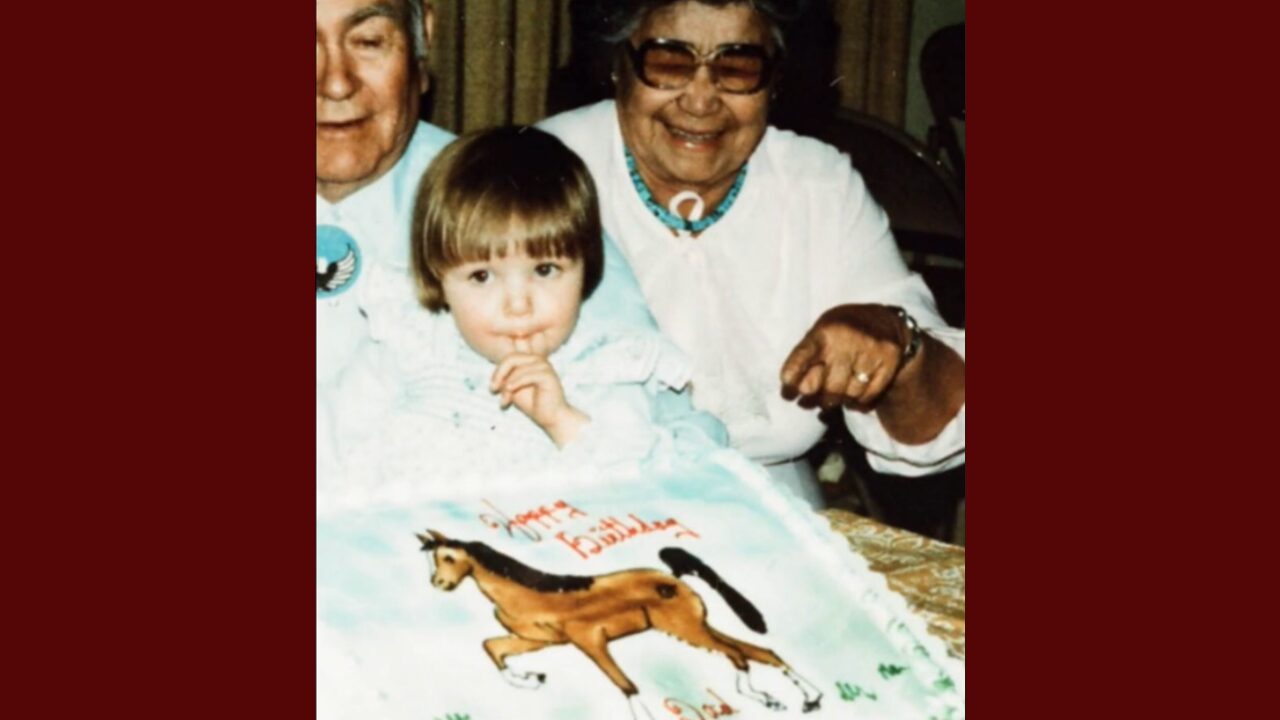
Albuquerque police have identified a suspect in a 1983 homicide case that remained unsolved for over four decades, utilizing modern forensic genetic genealogy to connect evidence from the crime scene to the accused. The Albuquerque Police Department (APD) officially announced charges against 62-year-old Gary Ray, who was taken into custody in connection with the death of 21-year-old Sarah Lynn Dvorak, according to an official statement released by the department.
The resolution of this cold case marks a significant development in how the APD Cold Case Unit leverages historical evidence alongside contemporary DNA analysis. Sarah Lynn Dvorak was found deceased in her apartment on July 14, 1983, a discovery that launched a decades-long investigation that had previously stalled due to a lack of identifiable suspect leads. The case underscores the growing reliance on forensic genealogy, a process that identifies suspects by comparing crime scene DNA samples with publicly available genetic databases, as reported by the U.S. Department of Justice.
The Investigation and DNA Breakthrough
For nearly 41 years, the circumstances surrounding the death of Sarah Lynn Dvorak remained a focal point for investigators in New Mexico. According to APD records, the breakthrough occurred when detectives submitted biological evidence collected from the scene to a private laboratory for advanced DNA processing. The resulting genetic profile allowed investigators to construct a family tree that eventually pointed toward Gary Ray as a person of interest.
Forensic genetic genealogy, the technique used in this instance, has become a standard tool for law enforcement agencies across the United States to revive dormant investigations. By matching DNA left at crime scenes with profiles uploaded by consumers to genealogical websites, investigators can narrow down potential suspects who share common ancestors. The APD confirmed that the DNA evidence was the primary catalyst for the eventual arrest, moving the case from an open status to an active prosecution, as noted in their public press release.
Legal Proceedings and Charges
Gary Ray is currently facing charges related to the 1983 incident. While the legal process is in its early stages, the transition from a cold case to a filed indictment represents a major milestone for the families involved. The case is being handled within the Second Judicial District Court of New Mexico, where prosecutors are tasked with presenting the forensic findings before a judge and jury, as mandated by the New Mexico Judicial Branch guidelines for criminal proceedings.

The use of decades-old evidence in modern courtrooms requires a strict chain of custody and rigorous validation to ensure that the integrity of the DNA samples has been maintained. Prosecutors must demonstrate that the evidence collected in 1983 was stored and processed according to established legal standards to satisfy the requirements for admissibility in a contemporary trial. This process is essential for ensuring that convictions obtained through modern technology withstand the scrutiny of the appellate system.
Impact on Cold Case Policy
The successful identification of a suspect in the Dvorak case highlights the effectiveness of the APD’s specialized Cold Case Unit. By prioritizing legacy cases that have high-quality biological evidence, the department aims to provide closure for families and address long-standing public safety concerns. This strategy is part of a broader trend among major metropolitan police departments to audit old evidence lockers for items that were previously untestable but are now viable under current scientific protocols, as detailed by the National Institute of Justice.
The broader impact of such resolutions often leads to increased funding and resources for forensic technology. When cases like this move toward resolution, they provide a tangible justification for the public investment in sophisticated lab equipment and the training of personnel specialized in genetic genealogy. For the community in Albuquerque, this development serves as a reminder that the passage of time does not necessarily mean an end to investigative efforts, provided that the physical evidence remains intact and accessible.
What Happens Next
The next phase of the legal process involves preliminary hearings where the state will present its evidence to establish probable cause for the charges. These proceedings are expected to occur at the Second Judicial District Court, and the public can monitor the court’s online case lookup portal for future updates regarding scheduling and trial dates. As of the latest update from the APD, the investigation into the specific events of that day in 1983 remains an active matter of record.
For those interested in following the progression of this case, official press releases from the APD and court dockets remain the most reliable sources of information. As the case proceeds to trial, the evidentiary details will be made part of the public record, offering further insight into the techniques used to finally resolve this long-standing mystery. We encourage readers to share their thoughts or stay updated as more information becomes available through our dedicated sports and news coverage.