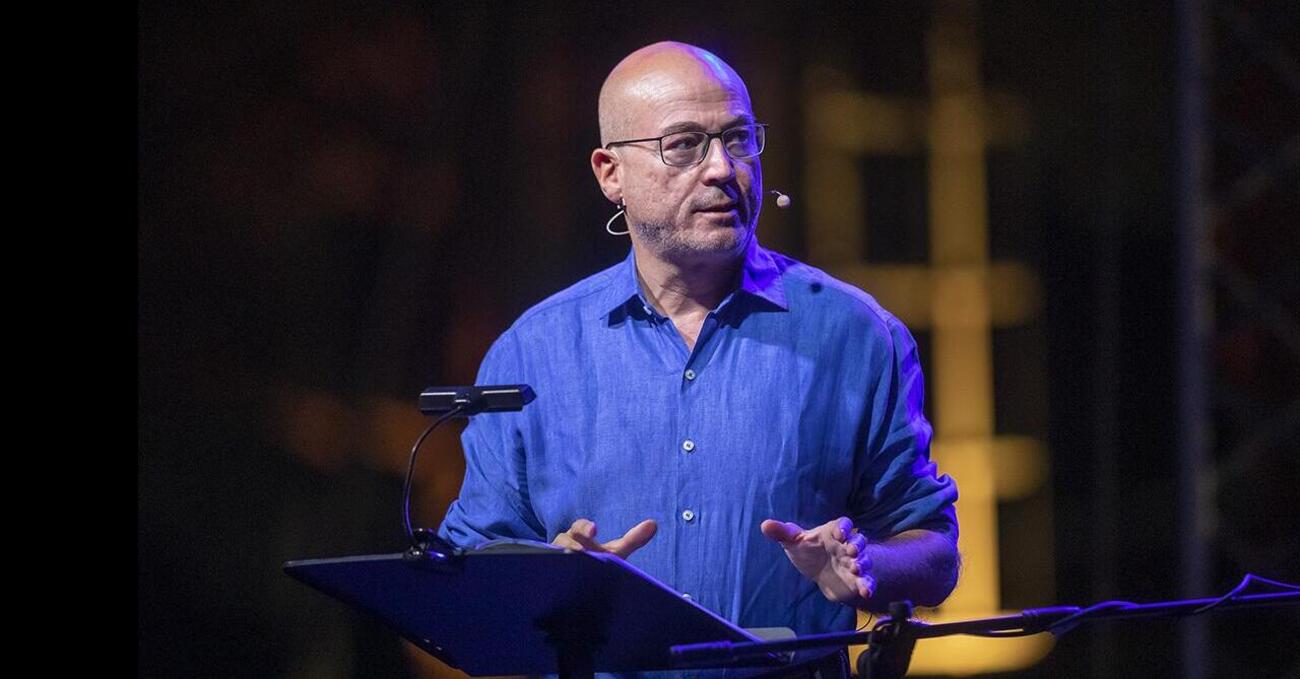
Naples is celebrating a triumph at the 76th Sanremo Music Festival, with Sal Da Vinci taking home the coveted top prize for his song “Per sempre sì.” Though, the victory has been met with a degree of controversy, sparked by comments from Italian journalist Aldo Cazzullo questioning the artistic merit of the winning track and drawing criticism from some in the Neapolitan community. The situation is further complicated by Cazzullo’s scheduled appearance at a civic ceremony in Naples next week, where he is set to receive a medal from the city’s mayor.
Da Vinci, a New York-born singer-songwriter raised in the tradition of Neapolitan sceneggiata alongside his father Mario Da Vinci, secured both the audience and televote wins, dominating the competition after a 17-year absence from the Ariston Theatre stage. His emotional acceptance speech dedicated the award to his hometown of Naples and his family. Sayf and Ditonellapiaga rounded out the top three, even as Arisa and a collaborative performance by Fedez and Marco Masini secured the fourth and fifth positions, respectively. The festival also saw a notable reaction from the audience, with boos directed at the exclusion of Serena Brancale from the top five.
Cazzullo’s Critique and the Backlash
The debate surrounding Da Vinci’s win ignited following a commentary published in Corriere della Sera by Aldo Cazzullo. Cazzullo’s remarks, as reported by multiple Italian news outlets, suggested that “Per sempre sì” could serve as the soundtrack to a Camorra wedding or, at best, a parody song in the style of comedian Checco Zalone. He characterized the song as representing a “certain South” that is overly sentimental rather than melodically sophisticated. This assessment drew immediate criticism, particularly from those in Naples who viewed it as a dismissive and culturally insensitive portrayal of their region.
Cazzullo’s comments were perceived by many as an unfair generalization and a slight to Neapolitan musical traditions. The association with the Camorra, a notorious organized crime syndicate, was particularly offensive. The journalist later attempted to clarify his remarks, stating they were intended as a joke and expressing his admiration for Naples and its poetic heritage, specifically citing the late singer-songwriter Pino Daniele. However, this clarification did little to quell the growing outrage, especially given the timing of his upcoming award ceremony in Naples.
A Medal for a Controversial Voice
On March 11th, Cazzullo is scheduled to receive the medal of the city of Naples from Mayor Gaetano Manfredi. The planned ceremony has become a focal point of the controversy, with many Neapolitans questioning the appropriateness of honoring a journalist who recently made disparaging remarks about a local artist and, by extension, the city’s cultural identity. The situation presents a delicate diplomatic challenge for Mayor Manfredi, who has publicly praised Da Vinci’s victory and emphasized Naples’s growing reputation as a center for music.
Mayor Manfredi released a statement celebrating Da Vinci’s win, stating, “Naples wins when talent meets heart! In this, Sal Da Vinci is an example to follow: the passionate sentiment of our city combined with great technical preparation.” He further added that the victory was a recognition of Da Vinci’s artistic journey and dedication to his roots. The mayor also expressed pride in Stefano De Martino, who will be hosting and directing the 2027 Sanremo Music Festival.
The Broader Context of Sanremo 2026
The 76th Sanremo Music Festival, held in early March 2026, was a highly anticipated event in Italy, drawing significant media attention and public engagement. The festival serves as a national platform for showcasing emerging and established musical talent, and the winning song often goes on to achieve widespread commercial success. This year’s competition featured a diverse lineup of artists, representing a range of genres and regional backgrounds. Sayf, finishing in second place with “Tu mi piaci tanto,” brought a contemporary rap influence to the stage, while Ditonellapiaga’s “Che fastidio!” secured the third position and also won the prestigious Giancarlo Bigazzi award for best composition.
The festival also highlighted the growing presence of artists from Southern Italy, with Samurai Jay and Aka7even also making appearances. The inclusion of Fedez and Marco Masini, a well-known duo, added a mainstream appeal to the competition. The event wasn’t without its controversies, however, as the exclusion of Serena Brancale from the top five sparked protests from fans who felt her performance deserved recognition.
The Impact on Naples’ Cultural Identity
The controversy surrounding Cazzullo’s comments and Da Vinci’s victory has sparked a broader conversation about the representation of Southern Italy in national media and the cultural stereotypes that persist. For many Neapolitans, the festival win was a moment of pride and validation, demonstrating the city’s vibrant artistic scene and its contribution to Italian culture. The negative remarks from Cazzullo, however, served as a reminder of the prejudices and misconceptions that continue to shape perceptions of the region.
The city of Naples has long been a center for musical innovation, producing iconic artists like Enrico Caruso, Sergio Bruni, and, as Cazzullo himself acknowledged, Pino Daniele. Da Vinci’s win is seen as a continuation of this tradition, and a testament to the enduring power of Neapolitan music. The upcoming medal ceremony for Cazzullo will undoubtedly be a closely watched event, with many wondering how the journalist will be received by the local community. The situation underscores the importance of cultural sensitivity and the necessitate for respectful dialogue when discussing regional identities and artistic expression.
The festival’s impact extends beyond the realm of music, contributing to Naples’s tourism industry and bolstering its image as a dynamic and culturally rich destination. The increased visibility generated by Da Vinci’s win is expected to attract more visitors to the city, further stimulating economic growth and promoting its unique heritage.
As the date of the medal ceremony approaches, the atmosphere in Naples remains charged with anticipation and uncertainty. The event will serve as a crucial test of the city’s ability to navigate cultural sensitivities and foster a spirit of inclusivity. The outcome will likely have lasting implications for the relationship between Naples and the national media, and for the ongoing efforts to promote a more nuanced and accurate representation of Southern Italy.
The next development to watch will be the reception Cazzullo receives at the medal ceremony on March 11th. Further statements from Mayor Manfredi or Da Vinci himself regarding the situation are also anticipated. Readers are encouraged to share their thoughts and perspectives on this evolving story in the comments below.
Keep reading