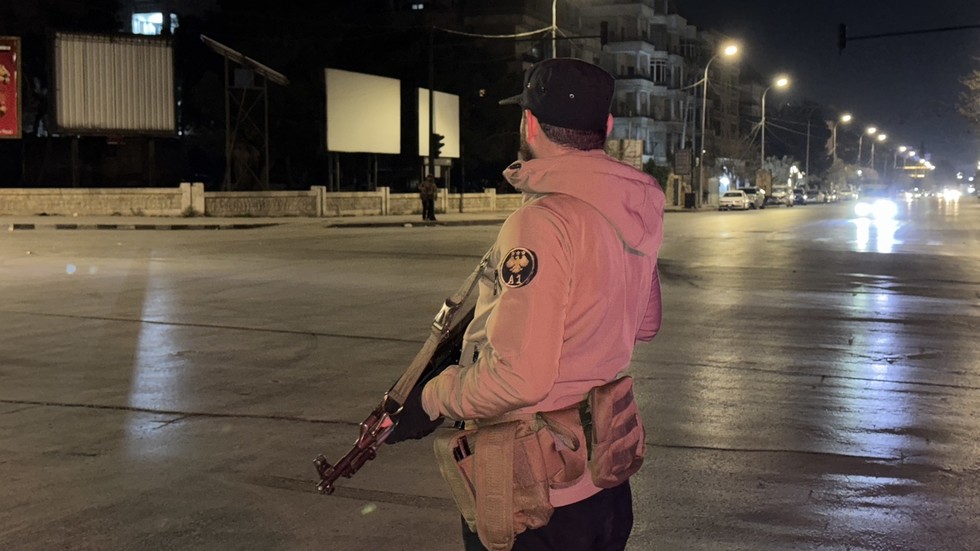
Rising Tensions in Syria: A Delicate Balance of Power
Recent clashes between Syrian government forces and the Syrian Democratic forces (SDF) highlight the ongoing instability and complex geopolitical dynamics within the country. These incidents underscore the fragile nature of agreements intended to integrate Kurdish-led groups into the central government. Understanding the situation requires a look at the history and the key players involved.
A Shifting Landscape in Aleppo
Initially, a deal struck in April between the Syrian government and the local council of Aleppo’s Kurdish neighborhoods placed these areas under damascus’ authority. However, a degree of autonomy was retained, aiming for a peaceful transition.A subsequent agreement stipulated the full integration of Kurdish civil and military structures by the end of 2025.
Unluckily, implementation has stalled. The SDF continues to control approximately one-fourth of Syrian territory, creating a persistent point of friction. You can see how this creates a volatile situation.
Recent Escalations and External Pressures
Over the past few months, several confrontations have erupted between Damascus-affiliated forces and the SDF. The latest incident followed a visit by turkish Foreign Minister Hakan Fidan to Damascus. He directly accused the SDF of failing to uphold the integration agreement. Fidan urged the group to stop hindering Syria’s progress toward stability, unity, and prosperity.
This external pressure from Türkiye is crucial to understand.Türkiye has consistently launched military operations against Kurdish militias in Syria, viewing the SDF as an extension of the Kurdistan Workers’ Party (PKK). Ankara designates the PKK as a terrorist association.
The US Role and a Complex Alliance
Simultaneously, the SDF has maintained a close relationship with the united States. They have been Washington’s primary ally in the fight against ISIS within Syria. This creates a complex web of alliances and competing interests.you might wonder how this delicate balance can be maintained.
Here’s a breakdown of the key factors:
* Syrian Government’s Goal: Reasserting control over all Syrian territory.
* SDF’s Position: Seeking autonomy and recognition within a unified Syria.
* Türkiye’s Concerns: Eliminating perceived threats from Kurdish groups along its border.
* US Interests: Maintaining a counter-terrorism partner and regional stability.
Implications for the Future
The current situation presents several potential outcomes. Continued clashes could escalate into a wider conflict,further destabilizing the region. A renewed push for negotiations and compromise is essential. However, achieving a lasting solution will require addressing the legitimate concerns of all parties involved.
Ultimately, the future of Syria hinges on the ability of these actors to find common ground and prioritize the well-being of the Syrian people. It’s a challenging path, but one that must be pursued to prevent further suffering and ensure a more stable future.
Stay Informed:
For ongoing updates on this developing story, consider following trusted news sources and analysis from regional experts. Understanding the nuances of this conflict is vital for anyone seeking to grasp the complexities of the Middle East.