German federal authorities have released the latest annual report on politically motivated crime, highlighting a significant rise in incidents recorded throughout the previous calendar year. During a federal press conference held on June 9, 2026, officials presented the comprehensive statistics on politically motivated criminality (PMK), detailing shifts in extremism, foreign-ideology-based offenses, and protest-related violence across the country.
The data, compiled by the Federal Ministry of the Interior and the Federal Criminal Police Office (BKA), serves as the primary benchmark for assessing internal security trends. According to the Federal Criminal Police Office, the figures provide a granular look at how polarizing political discourse and international conflicts have translated into domestic law enforcement challenges. The report categorizes offenses into several distinct ideological spheres, including right-wing extremism, left-wing extremism, and foreign-ideological motivations.
Trends in Politically Motivated Criminality
The 2026 report indicates that total incident counts rose compared to the prior year, driven largely by an uptick in propaganda-related offenses and public order violations. Authorities noted that while violent crime remains a primary concern, a substantial portion of the recorded statistics involves non-violent criminal acts such as the use of unconstitutional symbols, incitement to hatred, and property damage.

The Federal Office for the Protection of the Constitution, which collaborates on the threat assessment, emphasized that digital platforms have played an increasing role in the radicalization process. Law enforcement agencies are currently shifting resources to monitor online discourse that crosses the threshold into criminal threats or harassment. This strategic pivot follows a series of legislative updates aimed at tightening the prosecution of hate speech and extremist recruitment online, as outlined in the Network Enforcement Act (NetzDG).
Comparative Analysis of Ideological Sectors
A central feature of the annual disclosure is the breakdown of offenses by ideological background. Historically, the largest share of politically motivated crime in Germany has been attributed to the right-wing spectrum. The 2026 data continues to show a high volume of incidents in this category, ranging from xenophobic harassment to organized illegal assemblies.
Conversely, left-wing extremism remains concentrated in urban centers, often linked to anti-gentrification movements, climate activism, and confrontations with security forces during protests. The government report highlights a persistent challenge in distinguishing between legitimate protest activities and criminal acts. According to the German Federal Government, the state maintains a commitment to protecting the constitutional right to demonstrate while simultaneously enforcing strict boundaries against civil disobedience that escalates into physical violence or property destruction.
Impact of International Conflicts on Domestic Security
A notable addition to the current reporting period is the impact of international geopolitical tensions on domestic stability. The report confirms that conflicts in the Middle East and Eastern Europe have directly influenced the nature and frequency of politically motivated crime in Germany. This includes an increase in anti-Semitic incidents and clashes between rival diaspora groups, which the interior ministry characterizes as a significant strain on police resources.
Local law enforcement agencies in major metropolitan areas like Berlin, Frankfurt, and Hamburg have reported increased operational pressure due to frequent demonstrations. The German Police Union has repeatedly called for additional funding and personnel to manage the surveillance of extremist networks. The government’s response includes the expansion of task forces dedicated to monitoring foreign-ideological extremism, ensuring that threats posed by proxy conflicts are addressed with the same rigor as domestic ideological threats.
What Happens Next for Security Policy
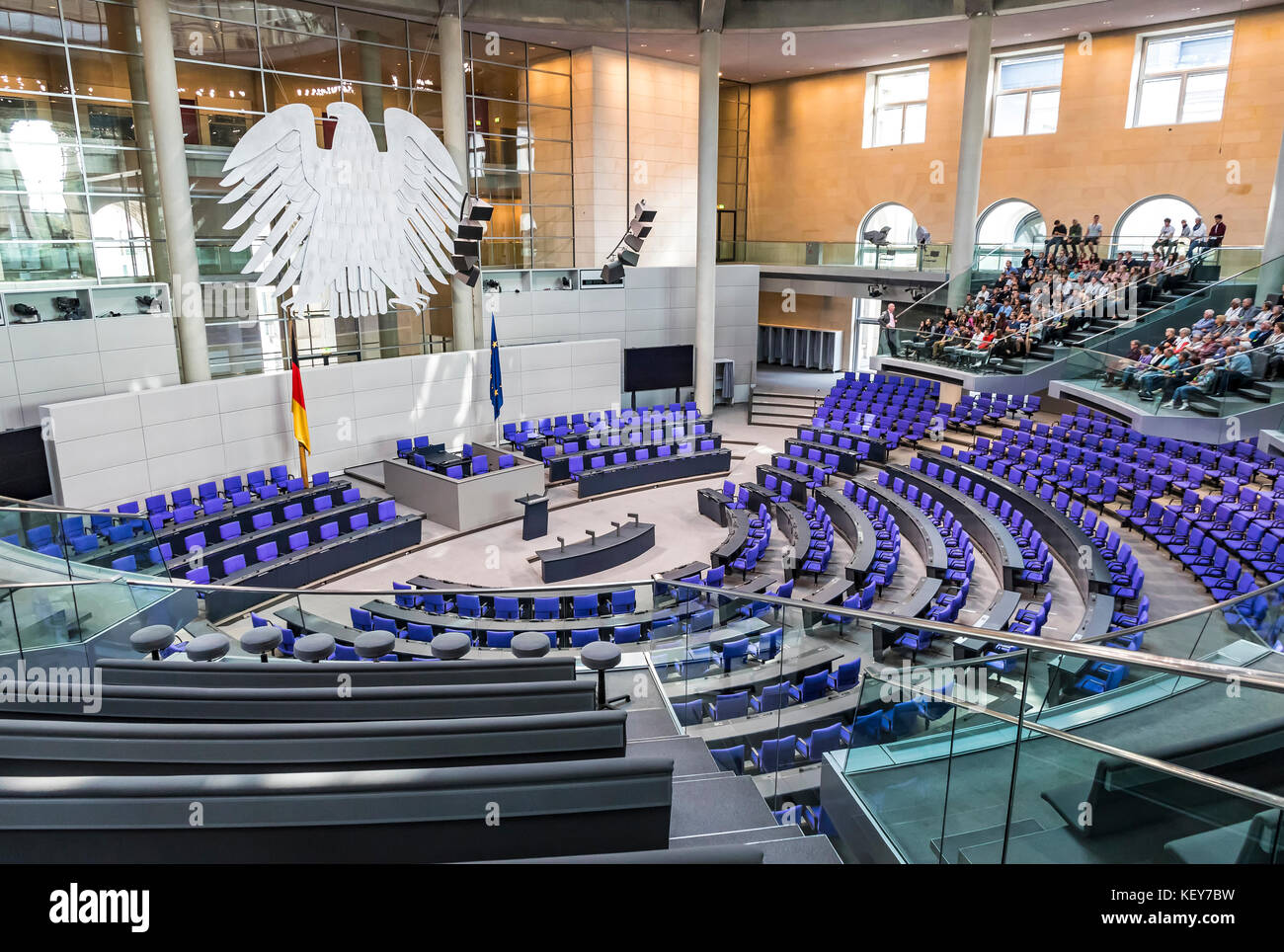
The release of these statistics marks the beginning of the parliamentary review process, where the Interior Committee of the Bundestag will evaluate the findings. Lawmakers are expected to debate whether current legislative tools are sufficient to counter the rise in extremist propaganda and the potential for domestic radicalization.
Future policy developments will likely focus on three key areas:
- Enhancing the digital capabilities of the BKA to track encrypted extremist communication.
- Increasing federal support for community-based deradicalization programs.
- Refining the legal definitions of “politically motivated” to better capture the nuances of modern, decentralized protest movements.
Citizens and researchers can access the full dataset via the official portal of the Federal Ministry of the Interior, which provides detailed breakdowns by federal state and specific offense types. The next official update regarding domestic security trends is expected during the autumn legislative session, where further budgetary allocations for internal security will be discussed. Readers are encouraged to monitor official government portals for upcoming hearings and public safety advisories.
Related reading