
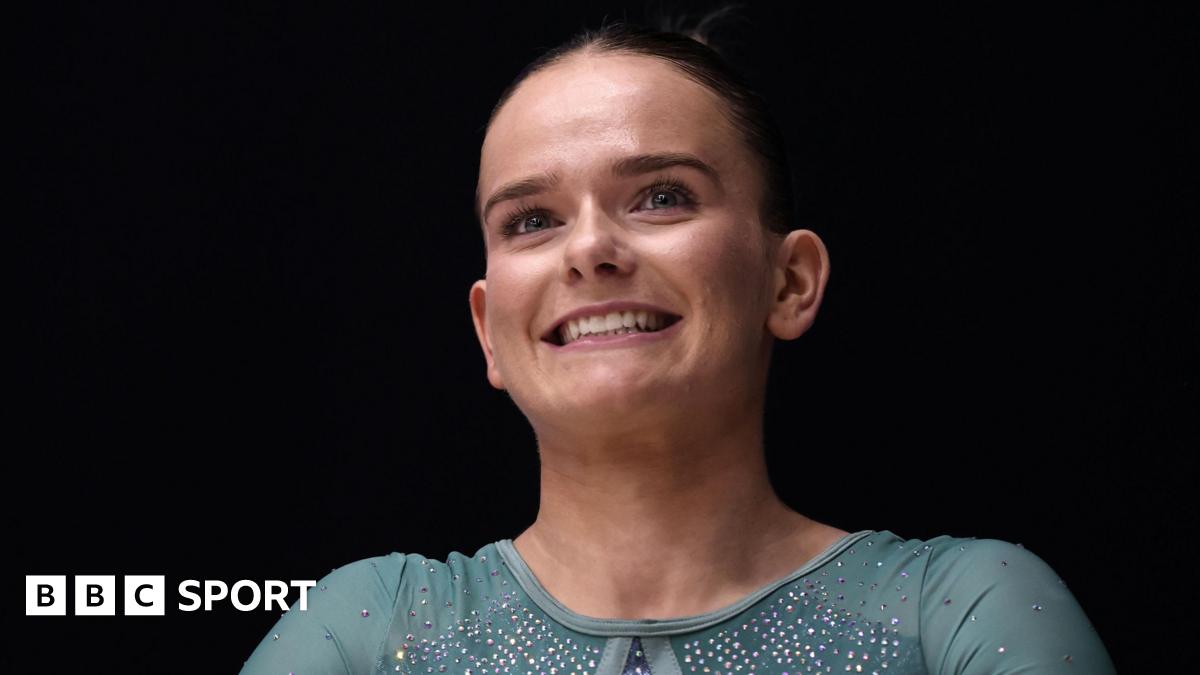
In a landmark moment for British sport, Alice Kinsella has become the first British artistic gymnast to resume elite competition after giving birth. The veteran gymnast’s return marks a significant shift in the landscape of high-performance athletics, challenging traditional perceptions of motherhood and professional longevity in a sport often dominated by teenagers.
Kinsella’s return to the competitive arena comes just six months after welcoming her son, a timeline that underscores both her physical resilience and her determination to continue her career at the highest level. By stepping back onto the competition floor, she has carved a new path for female athletes in the United Kingdom, proving that the transition to motherhood does not have to signal the complete of an elite sporting career.
The return of Alice Kinsella to elite competition after giving birth is not merely a personal victory but a historical milestone for GB gymnastics. Her journey back to the gym and the subsequent return to competition highlights the evolving nature of athlete support systems and the personal drive required to navigate the physical and emotional demands of postpartum recovery alongside the rigors of artistic gymnastics.
A Historic Return to the Floor
The narrative of Alice Kinsella’s career has always been one of perseverance, but her most recent chapter is perhaps the most influential. Returning to the elite level of artistic gymnastics requires an immense amount of strength, flexibility, and mental fortitude—attributes that are tested even further following the physical changes associated with pregnancy and childbirth.
Speaking on her experience, Kinsella shared insights regarding her journey back to the sport. In a detailed conversation with Olympics.com, she discussed the process of returning to competitive gymnastics six months after giving birth, emphasizing the motivation derived from her new role as a mother.
This milestone is recognized as a first for British artistic gymnastics, setting a precedent for future generations of gymnasts who may wish to balance family life with the pursuit of international sporting excellence. The physical demands of the sport—including high-impact landings and extreme core strength—make such a return particularly challenging, yet Kinsella has successfully navigated this transition.
Breaking Barriers in GB Gymnastics
The impact of Kinsella’s return extends beyond her own trophy cabinet. For years, the prevailing culture in artistic gymnastics suggested that the peak of an athlete’s career occurred in their mid-to-late teens, and that motherhood was a definitive retirement event. Kinsella is effectively dismantling this stereotype.
Her return has been highlighted by the BBC, noting that she has made GB gymnastics history by returning to elite competition after giving birth. This shift in perspective is crucial for the longevity of the sport, as it encourages a more inclusive environment where athletes are supported through different stages of their adult lives.
The psychological aspect of this return is equally significant. Balancing the needs of a newborn with the strict training schedules of an elite gymnast requires a level of discipline and time management that differs from the singular focus of a younger athlete. Kinsella’s ability to manage these competing priorities serves as a blueprint for other female athletes across various Olympic disciplines.
The Path Forward for Elite Athletes
As the sporting world continues to evolve, the conversation around maternal health and athletic return-to-play protocols is becoming more prominent. Kinsella’s success provides a real-world case study in how a structured return to elite competition can be achieved post-pregnancy.

The broader implications for the sport include:
- Normalization of Motherhood: Removing the stigma that motherhood is the “end” of a female athlete’s professional viability.
- Enhanced Support Systems: Highlighting the require for tailored coaching and medical support for postpartum athletes.
- Inspiration for Peers: Providing a visible example for other gymnasts who may be hesitant to pursue pregnancy due to fear of career termination.
Kinsella’s journey is a testament to the resilience of the human body and the power of maternal motivation. By returning to the elite level, she is not only competing for medals but is competing for a change in how the sporting world views the lifecycle of a female athlete.
For those following the current state of the sport, the ongoing competitions continue to showcase the depth of British talent. Recent events, such as the championships in Liverpool reported by British Gymnastics, serve as a reminder of the competitive environment Kinsella has rejoined.
With her return now established, the focus shifts to her performance in upcoming events and how her presence will influence the selection and training dynamics of the GB squad. Her story remains a powerful example of the phrase “for my boy,” turning a personal life milestone into a catalyst for professional achievement.
Stay tuned for further updates on Alice Kinsella’s competitive progress and official announcements regarding the GB gymnastics schedule. We welcome your thoughts on this historic return in the comments below—please share this story to support the evolution of women’s sports.