
In a significant move to expand global healthcare cooperation, Jeonbuk National University Hospital (JNBUH) has formally entered into a medical cooperation agreement with Daeyang Luke Hospital in Malawi. The partnership, announced on April 9, 2026, aims to bridge the gap in healthcare accessibility by transferring advanced medical systems and expertise from South Korea to one of Africa’s most underserved regions.
The agreement focuses on a multi-pronged approach to improve local healthcare outcomes, including the exchange of specialized medical personnel, collaborative medical education, and the establishment of streamlined patient care systems. By leveraging its status as a regional responsible medical institution, JNBUH intends to implement high-standard medical protocols in Malawi to enhance the quality of life for local citizens.
A central pillar of this initiative is the alignment with “Malawi 2063,” the Malawian government’s ambitious national development plan. JNBUH plans to integrate advanced medical systems specifically designed to support these long-term national goals, ensuring that the partnership provides sustainable infrastructure rather than temporary aid. The signing ceremony took place at the Ongoeul Hall on the third floor of the hospital’s main building, attended by JNBUH President Yang Jong-cheol and other key officials according to Medical Hub.
A Bridge Built on Personal History: The Role of Dr. Hwang Ha-soo
The catalyst for this international partnership is the unique professional journey of Dr. Hwang Ha-soo, the Vice President of Daeyang Luke Hospital. Dr. Hwang’s trajectory is an uncommon blend of high-level governance and clinical medicine. Before entering the medical field, he passed the administrative exam and served as a first-grade high-ranking civil servant within the South Korean Ministry of Unification.
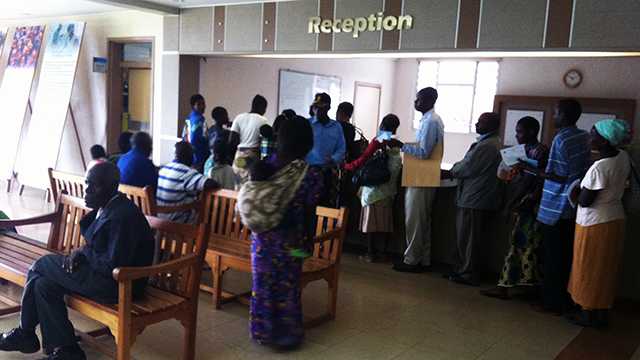
Driven by a desire to pivot his career toward direct humanitarian service, Dr. Hwang enrolled in medical school. He graduated from the Jeonbuk National University Graduate School of Medicine, where he completed his internship at Jeonbuk National University Hospital. He furthered his specialization by completing his residency at Namwon Medical Center, eventually earning a board certification in Family Medicine.
Now practicing as a physician on the front lines of healthcare in Africa, Dr. Hwang viewed this agreement as a homecoming. He expressed his gratitude for the partnership, noting that JNBUH was the “home” where he trained day and night during his internship. He emphasized his commitment to ensuring that the hospital’s superior medical capabilities translate into tangible improvements in the medical environment for the people of Malawi as reported by Yonhap News.
Strategic Objectives of the JNBUH-Daeyang Luke Partnership
The memorandum of understanding (MOU) is not merely a symbolic gesture but a framework for operational cooperation. The two institutions have agreed to collaborate in several critical domains to ensure a comprehensive upgrade of healthcare delivery in Lilongwe, where Daeyang Luke Hospital serves as a core medical facility.
- Medical Education and Research: Establishing a pipeline for knowledge transfer and joint research to address regional health challenges.
- Professional Exchange: Facilitating the movement of specialized medical staff to share clinical skills and administrative best practices.
- Patient Care Systems: Building a collaborative network for patient treatment and referral to improve diagnostic and therapeutic accuracy.
- Systemic Integration: Applying advanced South Korean medical management systems to align with the Malawi 2063 national vision.
President Yang Jong-cheol of Jeonbuk National University Hospital stated that the institution is committed to realizing the value of public healthcare beyond regional borders. He noted that the goal is to ensure that advanced medical practices grab deep root within the African continent, extending the hospital’s mission of public service to a global scale per Yonhap News reports.
Impact on Malawi’s Healthcare Landscape
The partnership is particularly timely given the healthcare challenges faced by Malawi. Daeyang Luke Hospital, located in Lilongwe—often described as the “warm heart of Africa”—is a pivotal institution in the region. By integrating the expertise of a major Korean university hospital, the facility can move toward more sustainable, evidence-based care.
The focus on “Malawi 2063” suggests that the cooperation will move beyond immediate clinical needs to address systemic weaknesses in the healthcare workforce. By training local staff and implementing advanced organizational structures, the partnership aims to create a self-sustaining model of medical excellence that can be replicated in other parts of the region.
Key Takeaways of the Agreement
- Core Goal: Improving the medical environment in Malawi through the transfer of advanced Korean medical systems.
- Key Personnel: Facilitated by Dr. Hwang Ha-soo, a former high-ranking official and JNBUH alumnus.
- National Alignment: Specifically designed to support the “Malawi 2063” national development plan.
- Scope: Includes medical education, professional exchange, and patient care cooperation.
Jeonbuk National University Hospital has indicated that it will use this agreement as a starting point to continuously expand its medical support and exchange programs throughout the African continent. The next phase of the partnership will involve the practical implementation of these systems and the first wave of personnel exchanges between the two institutions.
We invite our readers to share their thoughts on the role of international medical partnerships in global health equity in the comments below.
Related reading