The Disappearance of the Virginia Giraffes: A Deep Dive into Animal Welfare and Legal Battles
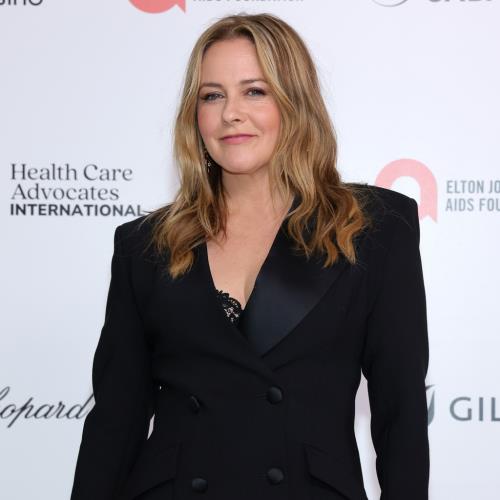
The case of the missing baby giraffes from Natural Bridge Zoo in Virginia has captured national attention, escalating beyond a simple missing animal report to a complex story of animal welfare concerns, legal defiance, and a dedicated search fueled by celebrity activism. Actress Alicia Silverstone has recently offered a substantial $50,000 reward for information leading to the safe return of the two calves, highlighting the gravity of the situation and the growing public outcry. but what exactly happened, and why are these giraffes at the center of such a heated controversy?
The Vanishing Calves and a History of Concern
The two giraffe calves disappeared from Natural Bridge Zoo sometime after April 2024, amidst an ongoing legal battle regarding the care of animals at the facility. This disappearance is especially troubling as it occurred shortly after a Virginia judge ruled in March 2024 that 71 animals would be taken into government custody due to documented welfare issues. The zoo’s co-owner, Gretchen Mogensen, was required to notify the state upon the birth of any new calves, a notification that never came.
This isn’t an isolated incident. Public records reveal a disturbing pattern: Natural Bridge Zoo has a documented history of prematurely separating giraffe calves from their mothers, having shipped out at least 14 calves in the decade leading up to the state’s intervention. This practice raises serious ethical questions about the emotional and physical well-being of both the mothers and their offspring. Giraffes exhibit strong maternal bonds, and early separation can cause meaningful distress and long-term behavioral problems.
PETA’s Involvement and Alicia Silverstone’s Plea
People for the ethical Treatment of Animals (PETA) is actively involved in the search, publicizing the case and coordinating the reward offered by Alicia Silverstone. Silverstone, a long-time vegan and animal rights advocate, powerfully stated, “Tearing babies away from their distraught mothers is devastating for both, no matter what species they are.” Her involvement underscores the emotional weight of the situation and the broader animal welfare implications.
The reward isn’t simply about finding the giraffes; it’s about exposing potential illegal activity and ensuring accountability. The specialized care required by young giraffes means every day without them is critical. Finding them quickly is paramount to their survival and well-being.
The Legal Stand-Off: Jail Time Over Disclosure
The situation took a dramatic turn when Gretchen Mogensen chose to serve 100 days in jail rather than comply with a court order demanding she disclose the whereabouts of the calves. This act of defiance has further fueled public outrage and raised questions about the motivations behind concealing the animals. Mogensen is scheduled for release in February 2026, but the fate of the giraffes remains unknown.
This refusal to cooperate hinders the investigation and prolongs the uncertainty surrounding the calves’ safety. It also highlights the challenges faced by authorities in enforcing animal welfare laws and holding individuals accountable for potential violations.
What We Know About Giraffe calf Care & The Risks of Separation
Young giraffes require highly specialized care. Here’s a breakdown of their needs:
* Colostrum: Essential for immunity in the first few days of life.
* Frequent Feeding: Calves need to nurse frequently, frequently enough every few hours.
* Socialization: Giraffes are social animals and benefit from interaction with their mothers and herd.
* Environmental Control: Maintaining appropriate temperature and humidity is crucial.
Premature separation can lead to:
* Weakened Immune System: Lack of colostrum and proper nutrition.
* Behavioral Issues: Anxiety, depression, and difficulty forming social bonds.
* Growth Stunting: Inadequate nutrition and care.
* Increased Mortality Rate: Young giraffes are particularly vulnerable without maternal care.
Recent research from the Giraffe Conservation Foundation (GCF) emphasizes the importance of long-term maternal care for giraffe calf survival and healthy development. Their studies, published in Animal Behavior (November 2023), demonstrate a direct correlation between extended nursing periods and increased calf resilience. https://giraffeconservation.org/
The Broader Implications for Zoo Regulations
The Natural Bridge Zoo case shines a spotlight on the need for stricter regulations and oversight of zoos and animal breeding facilities. While accreditation organizations like the Association of Zoos and Aquariums (AZA)
Worth a look