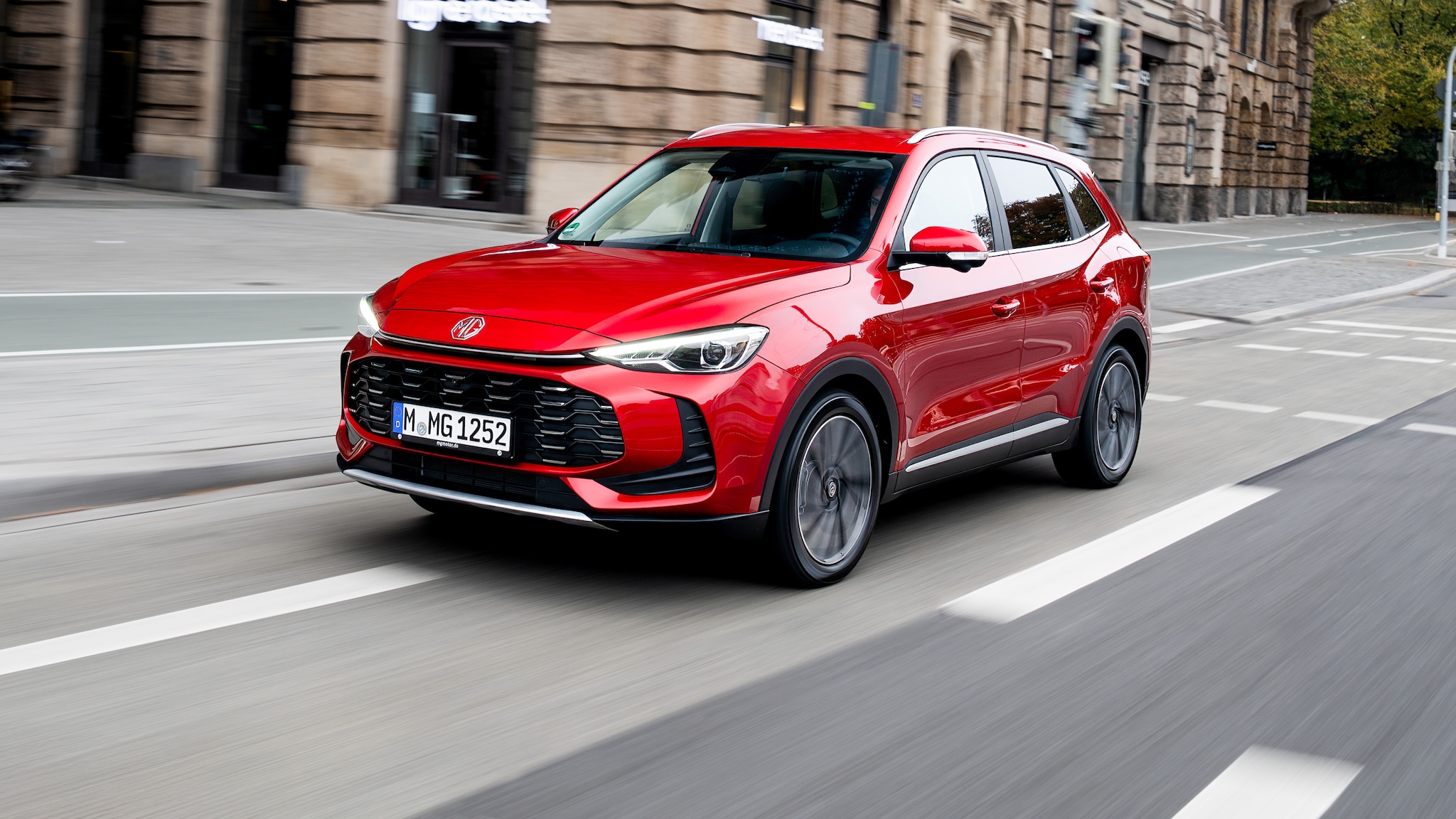
The automotive landscape is undergoing a significant transformation as consumers shift away from traditional ownership models toward more flexible, all-inclusive arrangements. Among the latest vehicles to enter the subscription market is the MG ZS Hybrid+, a compact SUV that has garnered attention for its blend of practicality and electrified efficiency. For many modern drivers, the MG ZS Hybrid+ in an auto-subscription model represents a calculated move toward budget predictability in an era of volatile vehicle operating costs.
When opting for a vehicle subscription, the primary value proposition is the simplification of the total cost of ownership. By bundling expenses—such as road tax, comprehensive insurance, tire replacements, and scheduled maintenance—into a single monthly payment, the consumer essentially transfers the risk of unexpected mechanical failures or fluctuating administrative fees to the provider. This structure provides a transparent, risk-free calculation basis, allowing individuals and businesses to forecast their mobility expenses with greater precision than a traditional loan or lease might allow.
Understanding the MG ZS Hybrid+ Market Positioning
The MG ZS Hybrid+ is part of the brand’s strategic push to offer accessible electrification to a global market. According to official manufacturer specifications, the vehicle utilizes a 1.83 kWh battery paired with a 1.5-liter petrol engine, designed to optimize fuel efficiency in urban environments while maintaining the versatility of a compact SUV. As noted in recent industry reports on SAIC Motor’s expansion, the brand has focused heavily on competitive pricing to capture market share from established European and Asian manufacturers.
For the consumer, the choice of a subscription model for this specific vehicle often hinges on the desire to avoid the depreciation risk associated with new energy vehicles. Because hybrid technology is evolving rapidly, some buyers are hesitant to commit to full ownership. A subscription allows the user to experience the benefits of the Hybrid+ powertrain without the long-term commitment of a five- or seven-year financing agreement.
The Financial Mechanics of Auto-Subscriptions
The core appeal of the subscription model lies in the “all-inclusive” nature of the service. Unlike a conventional lease, where insurance and maintenance are often separate line items managed by the driver, the subscription provider acts as a fleet manager for the end user. What we have is particularly advantageous for drivers who prefer a “pay-as-you-go” lifestyle where liquidity is prioritized over asset accumulation.

Key components typically covered in these agreements include:
- Comprehensive Insurance: Eliminates the need to negotiate individual policies or worry about premium hikes.
- Scheduled Maintenance: Ensures the vehicle is serviced at manufacturer-recommended intervals, maintaining safety and warranty compliance.
- Road Tax and Registration: Usually handled by the subscription provider, removing the administrative burden from the driver.
- Tires and Wear Items: Depending on the contract, providers often cover seasonal tire changes and routine wear-and-tear replacements.
However, it is imperative for consumers to review the fine print. While the monthly rate is predictable, users must be mindful of mileage caps and excess wear-and-tear policies, which can lead to additional charges at the end of the term. The Financial Conduct Authority (FCA) in the UK and similar regulatory bodies worldwide emphasize that consumers should always verify the total contract value against the potential cost of buying a vehicle outright, especially when interest rates or subscription premiums are high.
Strategic Benefits for the Modern Driver
Why is the MG ZS Hybrid+ a popular candidate for these programs? The answer lies in its utility. It occupies a “sweet spot” for families and commuters: it is large enough for daily errands, fuel-efficient enough for city driving, and technologically equipped to meet modern connectivity standards. By placing this vehicle in an auto-subscription program, providers are essentially lowering the barrier to entry for consumers who want a modern, reliable SUV without the long-term financial encumbrance.

as sustainability regulations tighten in major urban centers, the hybrid powertrain provides a hedge against potential future restrictions on internal combustion engines. According to the International Energy Agency’s 2024 Global EV Outlook, the shift toward hybrid and electric vehicles is accelerating, and flexible access models like subscriptions are acting as a bridge for consumers transitioning from traditional petrol cars to fully electric fleets.
Is a Subscription Right for You?
Before committing to a subscription, it is useful to evaluate your specific driving habits. A subscription is generally most beneficial for:

- Low-to-Medium Mileage Drivers: Those who do not exceed the annual mileage thresholds set by providers.
- Budget-Conscious Consumers: Individuals who prefer fixed monthly outgoings rather than variable costs.
- Early Adopters: Drivers who want to switch vehicles every 12 to 24 months to keep up with the latest automotive technology.
Conversely, if you intend to keep a vehicle for a decade or if you drive significant distances annually, traditional financing or purchasing may still offer a lower total cost of ownership. The decision should always be based on a comprehensive analysis of your household budget and long-term mobility requirements.
Looking Ahead: The Evolution of Mobility
The market for subscription-based mobility is expected to grow as more manufacturers partner with third-party providers to offer seamless digital experiences. As we look toward the next quarter, industry analysts expect to see an increase in “flexible leasing” options that allow users to pause or swap vehicles based on seasonal needs. For the MG ZS Hybrid+, this means it is likely to remain a cornerstone of these programs due to its balance of cost, and capability.
We will continue to monitor developments in the automotive subscription sector, particularly as manufacturers release updated terms for the 2025 model year. For those currently considering a subscription, we recommend checking the official MG Motor regional portals for the most accurate information on participating providers in your specific jurisdiction.
Have you considered switching to a vehicle subscription model? We welcome your thoughts and experiences in the comments section below. Stay tuned for our upcoming deep dive into the comparative costs of EV ownership versus subscription services in the next edition of the World Today Journal Business Review.
Keep reading