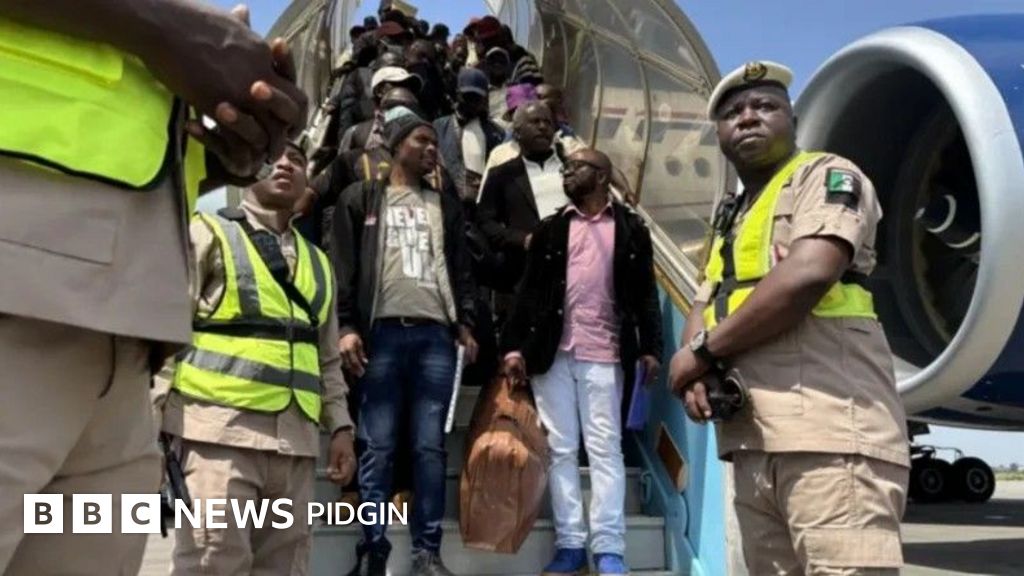
The Nigerian government has formally condemned the reported killing of two Nigerian nationals in South Africa and demanded a comprehensive investigation into the incidents. According to reports from the BBC, Nigerian authorities are seeking accountability and a transparent probe to determine the circumstances surrounding the deaths of their citizens.
This diplomatic friction comes amid long-standing tensions regarding the treatment of foreign nationals in South Africa, where Nigerian communities have frequently reported instances of targeted violence. The Nigerian government’s call for an investigation emphasizes the need for the South African government to ensure the safety and protection of Nigerians residing within its borders.
The incidents have sparked widespread concern among the Nigerian diaspora in South Africa, with many calling for stronger consular protections. Official statements from Nigeria indicate that the government will not overlook the loss of life and expects a detailed report on the perpetrators and the motives behind the killings.
Why is Nigeria calling for an investigation in South Africa?
Nigeria is demanding an investigation because the deaths of two of its citizens are alleged to be the result of targeted violence. According to the BBC, the Nigerian government views these killings as a serious breach of human rights and a threat to the safety of its citizens abroad. The demand for a probe is intended to ensure that the South African Police Service (SAPS) identifies the suspects and brings them to justice.
The Nigerian government’s reaction is rooted in a pattern of xenophobic sentiment that has periodically flared in South Africa. By insisting on a formal investigation, Nigeria aims to prevent a recurrence of such violence and to pressure the South African administration to implement more effective security measures for foreign residents.
The impact of these deaths extends beyond the immediate victims, affecting the psychological well-being of thousands of Nigerian entrepreneurs and professionals working in South Africa. Nigerian officials have signaled that the outcome of this investigation will be critical in shaping future bilateral relations between the two African powerhouses.
How does this fit into the history of xenophobia in South Africa?
These recent allegations occur within a historical context of systemic xenophobia in South Africa, most notably the widespread violence seen in May 2019. During those unrests, thousands of foreign-owned shops and homes were looted or burned, and several people were killed, according to records from Amnesty International. Nigerians, along with Zimbabweans and Ethiopians, have often been the primary targets of these attacks.

The recurring nature of these events suggests a failure in the South African government’s ability to curb hate speech and protect non-citizens. While South Africa’s constitution provides strong protections for human rights, the gap between legal mandates and on-the-ground reality remains a point of contention for the Nigerian government.
The Nigerian government has previously engaged in diplomatic dialogues with South Africa to address these issues, but the reported deaths of two more citizens suggest that previous agreements on safety and security have not been fully realized. The demand for a specific investigation into these two deaths is a direct response to the perceived inadequacy of current protection measures.
What happens next for the Nigerian nationals and their families?
The immediate next steps involve the coordination between the Nigerian High Commission in Pretoria and South African law enforcement. The families of the deceased are awaiting official autopsy reports and a formal statement from the South African government regarding the status of any arrests.
The Nigerian government has indicated it will monitor the progress of the South African police investigation closely. If the probe is deemed insufficient or lacks transparency, Nigeria may escalate the matter through the African Union (AU) or other diplomatic channels to ensure the victims receive justice.

For the broader Nigerian community in South Africa, the situation serves as a reminder of the volatility of the current social climate. Consular officials are expected to provide updates on safety protocols and the legal support available to those who feel threatened by xenophobic sentiment.
The next confirmed checkpoint is the delivery of the preliminary police report from the South African authorities to the Nigerian High Commission, which will determine if further diplomatic sanctions or formal protests are necessary.
We invite readers to share their perspectives on the diplomatic relations between Nigeria and South Africa in the comments below and share this report to increase awareness of the situation.