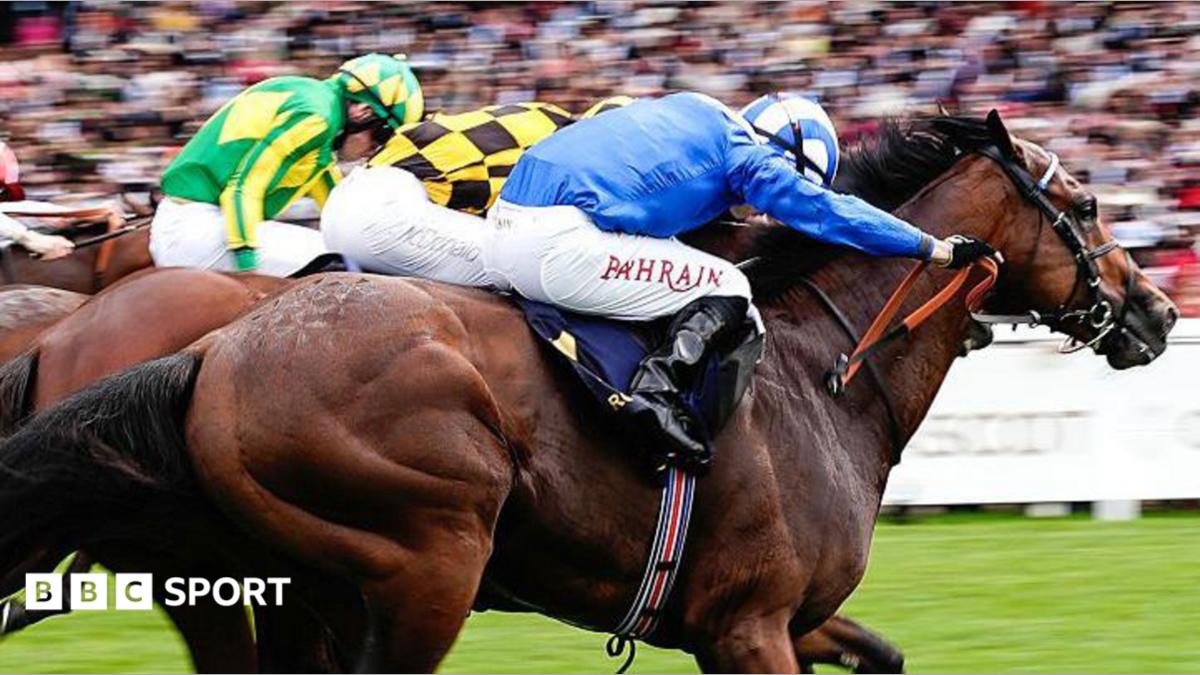
Almeraq secured a narrow victory in the Queen Elizabeth II Jubilee Stakes at Royal Ascot, marking a significant return to form for the horse following a career-threatening injury. The four-year-old sprinter edged out a highly competitive international field in a photo finish, confirming his status as a top-tier contender in global sprint racing. According to official results published by Ascot Racecourse, the win concludes a lengthy rehabilitation process for the runner after his widely publicized fall during the previous racing season.
The Queen Elizabeth II Jubilee Stakes is one of the most prestigious sprint events in the international racing calendar, held annually at the Berkshire track. This year’s victory for Almeraq saw the horse navigate a challenging field of sprinters, demonstrating the speed and resilience that had been missing since his accident. Racing analysts noted that the victory was unexpected by some, given the medical history surrounding the horse’s recovery from what was initially categorized by veterinarians as a severe orthopedic setback.
The Road to Recovery After a High-Profile Fall
The journey to the winner’s enclosure at Royal Ascot has been defined by a rigorous medical regimen. Almeraq suffered a “horror fall” during a high-stakes sprint last year, an event that led many observers to question whether the horse would ever return to competitive racing. Veterinary reports at the time indicated significant damage to his ligaments, requiring months of specialized care and restricted movement to ensure a full recovery.
According to updates from the training camp, the rehabilitation process involved a combination of hydrotherapy and controlled exercise sessions designed to rebuild muscle without placing undue stress on the affected joints. The decision to enter him into the Jubilee Stakes was made only after the horse showed consistent performance in private trials over the past three months, as documented by the British Horseracing Authority. His trainer emphasized that the horse’s mental fortitude was as critical as his physical healing during the months away from the track.
An International Field and the Photo Finish
The final moments of the Queen Elizabeth II Jubilee Stakes were decided by a margin of less than a neck, necessitating a review of the high-speed camera footage by race officials. The field included several seasoned international sprinters from Australia and the United States, raising the level of competition significantly compared to standard domestic events. The win is being hailed as a triumph of patience and precision training, as the horse held his line despite intense pressure from the outside rail in the final furlong.
This result provides a boost to the horse’s connections, who have invested heavily in his long-term health. Betting markets had placed Almeraq as an outsider, reflecting the uncertainty surrounding his ability to replicate his pre-injury speed in such a high-pressure environment. The victory not only secures a prestigious trophy but also validates the conservative approach taken by his veterinary and training team. Detailed race statistics and split times for the event are available through the official Racing Post archives, which track the performance metrics of all runners in the field.
What This Win Means for the Sprinting Circuit
The victory at Ascot reshapes the hierarchy of the current sprinting season. By defeating a high-quality international field, Almeraq has effectively forced himself into the conversation for end-of-year championship honors. Racing experts suggest that his performance confirms the efficacy of modern equine medical treatments, which are increasingly allowing horses to return to elite levels of competition after sustaining injuries that would have ended careers a decade ago.
For fans and punters, the return of Almeraq serves as a reminder of the unpredictability inherent in Thoroughbred racing. The horse is now expected to be pointed toward the Champions Day sprint series, pending a final evaluation of his post-race recovery. Official health checks are scheduled to take place within the next 48 hours to monitor for any signs of fatigue or recurring issues. Supporters are encouraged to follow the official Ascot social media channels for updates on his condition and future entry declarations.
The racing community is currently awaiting the release of the official handicap ratings following the Ascot meeting, which will provide a clearer picture of how this performance ranks against other top-tier sprinters globally. We invite readers to share their thoughts on Almeraq’s performance and the impact of his return on the sport in the comments section below.
Worth a look