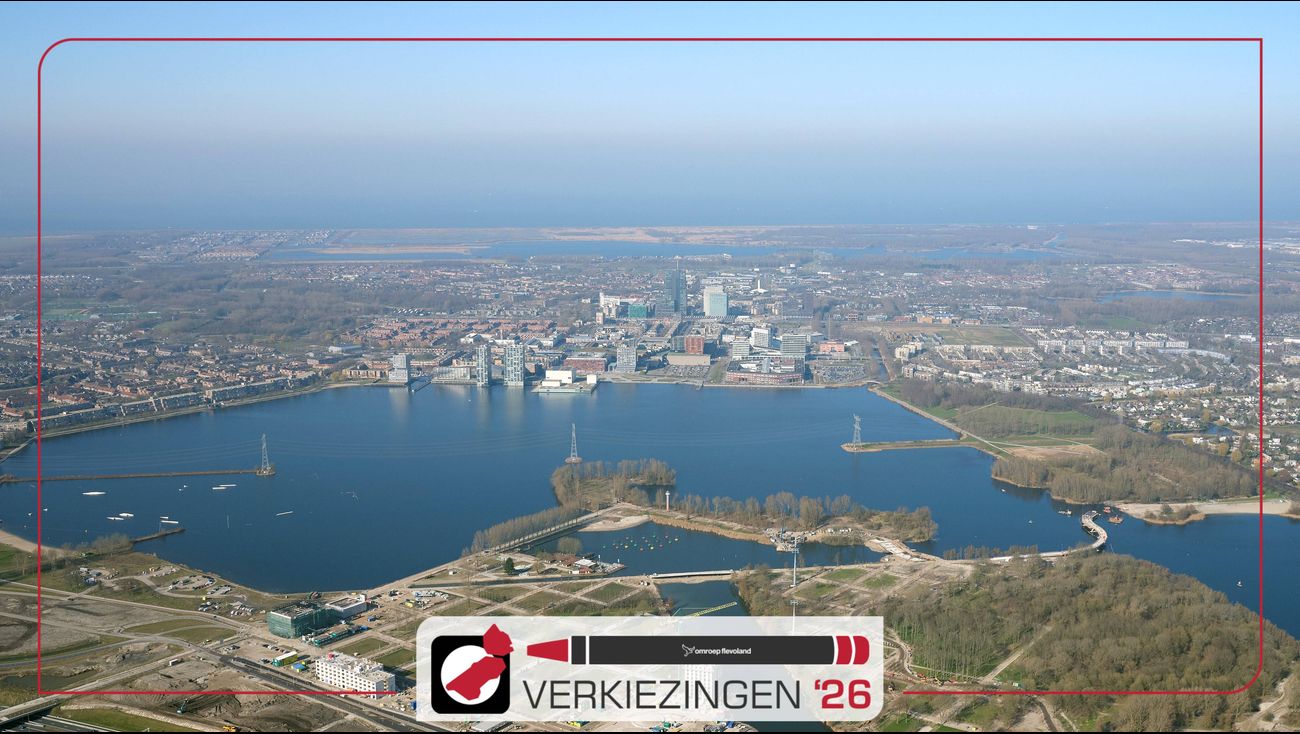
Almere, Netherlands, has seen a significant shift in its political landscape following municipal elections held on March 18, 2026. GroenLinks-PvdA (GreenLeft-Labour Party) emerged as the largest party, securing eight seats on the 45-member city council. This marks a notable change from the 2022 elections, where the VVD (People’s Party for Freedom and Democracy) held the majority with six seats. The rise of JA21, a relatively new political force, is also a key takeaway from the election results, with the party gaining four seats, a surprising debut in the Almere council.
The outcome signals a broader trend of increasing support for both progressive and right-leaning parties in the municipality, while traditional power structures are being challenged. The shift in Almere’s political dynamics comes as the Netherlands prepares for ongoing national debates on issues such as housing, environmental policy, and immigration. The composition of the new council will undoubtedly influence the direction of these discussions at the local level. The election results also reflect a growing fragmentation of the political spectrum, making coalition formation a complex undertaking.
Shifting Political Alignments in Almere
The success of GroenLinks-PvdA in Almere reflects a wider national trend of increased support for left-leaning parties focused on environmental sustainability and social welfare. According to their platform, GroenLinks-PvdA Almere prioritizes a “green, social and liveable municipality” where everyone counts. Their website details their commitment to issues like affordable housing, sustainable development, and accessible healthcare. The party’s gains suggest a growing electorate concerned with these issues in Almere.
However, the elections also demonstrated a significant surge in support for right-wing parties. JA21’s unexpected entry into the council with four seats, alongside gains for Forum for Democratie (also securing four seats), indicates a growing conservative presence in Almere’s political arena. Forum for Democratie doubled their representation from two seats in the previous council. This trend aligns with observations of a broader rightward shift in Dutch politics, particularly concerning immigration and national sovereignty.
The VVD, previously the dominant force in Almere, experienced a loss of one seat, falling to five. D66 (Democrats 66) also secured five seats, maintaining their position. The Socialist Party (SP) and the Party for the Animals (PvdD) both lost two seats each, ending with two seats apiece. Leefbaar Almere (Liveable Almere) held steady with three seats. These results paint a picture of a highly fragmented council, where no single party holds a clear majority, and coalition building will be crucial.
Voter Turnout and Demographic Trends
The municipal elections in Almere saw a voter turnout of 40.5 percent, a slight increase from the previous election four years prior. While this represents a modest improvement, it still falls below the national average for Dutch municipal elections. Omroep Almere reports that this turnout suggests continued challenges in engaging a broader segment of the population in local politics.
Almere is a relatively young city, known for its planned urban development and diverse population. Established in 1976, it was designed to alleviate housing shortages in the Randstad metropolitan area. The city’s demographic profile, with a significant proportion of residents under the age of 45, may contribute to the increased support for parties advocating for progressive policies, such as GroenLinks-PvdA. However, the gains made by right-wing parties suggest that a substantial segment of the population also holds more conservative views.
Challenges and Prospects for Coalition Formation
The fragmented nature of the new Almere city council presents significant challenges for forming a governing coalition. With GroenLinks-PvdA holding eight seats, and no other party coming close to a similar majority, a broad coalition will likely be necessary. However, bridging the ideological gap between the progressive left and the conservative right will be a complex undertaking.
A left-leaning coalition, potentially including GroenLinks-PvdA, D66, and Leefbaar, could command a maximum of 20 seats. However, such a coalition would require significant compromises to accommodate the diverse interests of its constituent parties. A right-leaning coalition, consisting of VVD, JA21, PVV, 50PLUS, and Forum for Democratie, could also reach 20 seats, but faces similar challenges in forging a unified agenda. The role of smaller, centrist parties like the CDA (Christian Democratic Appeal) and Leefbaar Almere will be crucial in determining the ultimate composition of the governing coalition.
The outcome of the coalition negotiations will have a significant impact on the future direction of Almere. Key policy areas likely to be debated include housing affordability, environmental sustainability, transportation infrastructure, and social welfare programs. The ability of the various parties to find common ground and forge a stable coalition will be essential for addressing the challenges facing the city and ensuring its continued development.
Key Takeaways
- GroenLinks-PvdA is now the largest party in Almere, signaling a shift towards progressive policies.
- JA21’s entry into the council with four seats represents a significant gain for the right-wing.
- The VVD lost its position as the dominant party, falling to five seats.
- Coalition formation will be complex due to the fragmented nature of the council.
- Voter turnout was 40.5 percent, a slight increase from the previous election.
The coming weeks will be critical as party leaders engage in negotiations to form a new governing coalition in Almere. The outcome of these discussions will shape the city’s political landscape for the next four years and determine the priorities of its local government. Residents will be closely watching to observe which parties can successfully bridge their differences and deliver on their promises. The next step will be formal coalition talks, expected to begin within the next two weeks, with a target date for announcing a new governing agreement by the end of April 2026.
What are your thoughts on the election results in Almere? Share your comments below and let us know how you think these changes will impact the city. Don’t forget to share this article with your network to keep the conversation going.
Worth a look