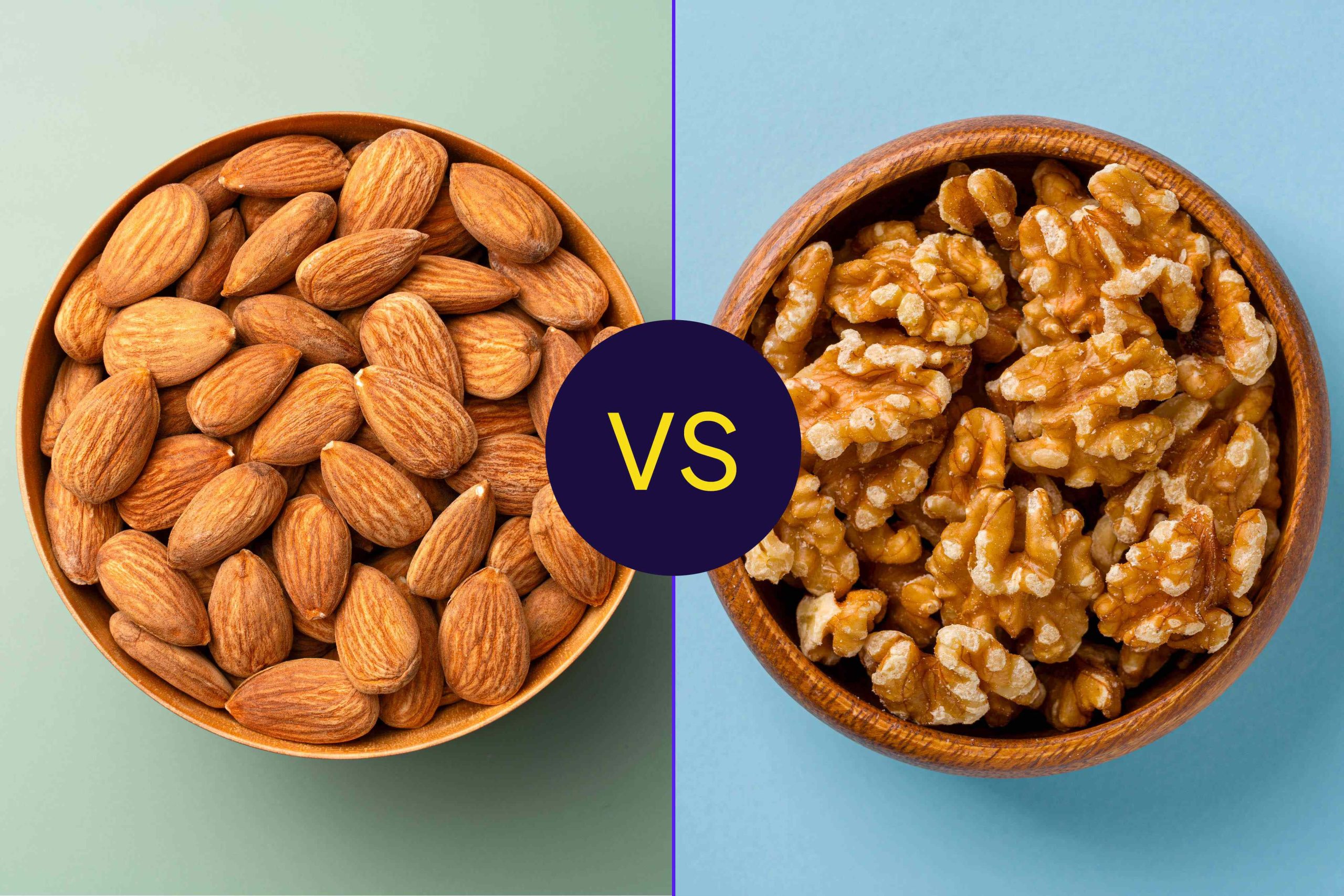
Almonds vs. Walnuts: A Deep Dive into Nutritional Powerhouses
Are you looking to boost your health with simple, flavorful additions to your diet? Both almonds and walnuts are fantastic choices, packed with nutrients that support overall well-being. But which one is right for you? Let’s explore the unique benefits of each, and how to seamlessly incorporate them into your daily routine.
Understanding the Nutritional Landscape
Both almonds and walnuts are nutritional powerhouses, offering a wealth of vitamins, minerals, and healthy fats. However, they each shine in different areas. Understanding these nuances allows you to tailor your intake to your specific needs.
Here’s a breakdown of key nutrients in a 1-ounce serving (about 28 grams):
* Almonds: Approximately 164 calories, 6 grams of protein, 14 grams of fat (mostly healthy monounsaturated fats), 3.5 grams of fiber, and meaningful amounts of vitamin E and magnesium.
* Walnuts: Approximately 185 calories, 4 grams of protein, 18 grams of fat (rich in polyunsaturated fats, including omega-3s), 2 grams of fiber, and a good source of antioxidants.
Why Choose Almonds?
Almonds are a fantastic choice if you’re focusing on sustained energy and fullness.They boast a higher fiber and protein content compared to walnuts, making them an excellent snack to curb cravings and keep you satisfied between meals.
Here are some specific benefits of incorporating almonds into your diet:
* Muscle Recovery: almonds contain more magnesium than walnuts, a crucial mineral for muscle function and recovery after exercise.
* Heart health: The monounsaturated fats in almonds contribute to healthy cholesterol levels.
* Blood Sugar Control: Fiber slows down the absorption of sugar, helping to regulate blood glucose levels.
* Skin Health: Vitamin E,abundant in almonds,acts as an antioxidant,protecting your skin from damage.
Why Choose Walnuts?
Walnuts stand out for their extraordinary omega-3 fatty acid content,particularly alpha-linolenic acid (ALA). These fats are vital for brain health, reducing inflammation, and supporting cardiovascular function.
Consider these advantages of adding walnuts to your diet:
* Brain Boosting: Omega-3s are essential for cognitive function and may help improve memory and focus.
* Anti-Inflammatory Power: Walnuts’ high antioxidant content combats inflammation throughout the body.
* Heart Protection: Omega-3s contribute to lower blood pressure and reduced risk of heart disease.
* Gut Health: Walnuts can promote a healthy gut microbiome, supporting digestion and immunity.
Practical Ways to Enjoy Almonds and Walnuts
Integrating these nuts into your diet is surprisingly easy and versatile. Here are some expert-approved ideas:
* Sprinkle on Breakfast: add almonds to your yogurt, oatmeal, or salads for a satisfying crunch and nutritional boost.
* Elevate Your Salads: Use almonds or walnuts as a salad topping to enhance flavor, texture, and protein intake.
* Nut Butter bliss: Incorporate natural almond or walnut butter into salad dressings, marinades, or as a dip for fruits and vegetables.
* Smoothie Enhancement: Blend a handful of nuts into your smoothies for a creamy texture and added nutrients.
* Perfect Snacking: Enjoy a handful (about 30 grams) of almonds or walnuts as a standalone snack. Pairing them with a piece of fruit creates a balanced and portable option.
Daily intake Recommendations
To reap the benefits of these nutritional powerhouses, aim to consume around 30 grams – roughly a handful - of nuts per day. this moderate intake can significantly contribute to your overall health and lower your risk of chronic diseases.
The Best of Both Worlds: A Balanced Approach
Ultimately, the best approach is to include both almonds and walnuts in your diet. By combining their unique strengths, you’ll benefit from a wider range of nutrients and maximize your health potential.
Remember, a well-rounded diet is key. Incorporating almonds and walnuts alongside a variety of fruits, vegetables, lean proteins, and
Worth a look