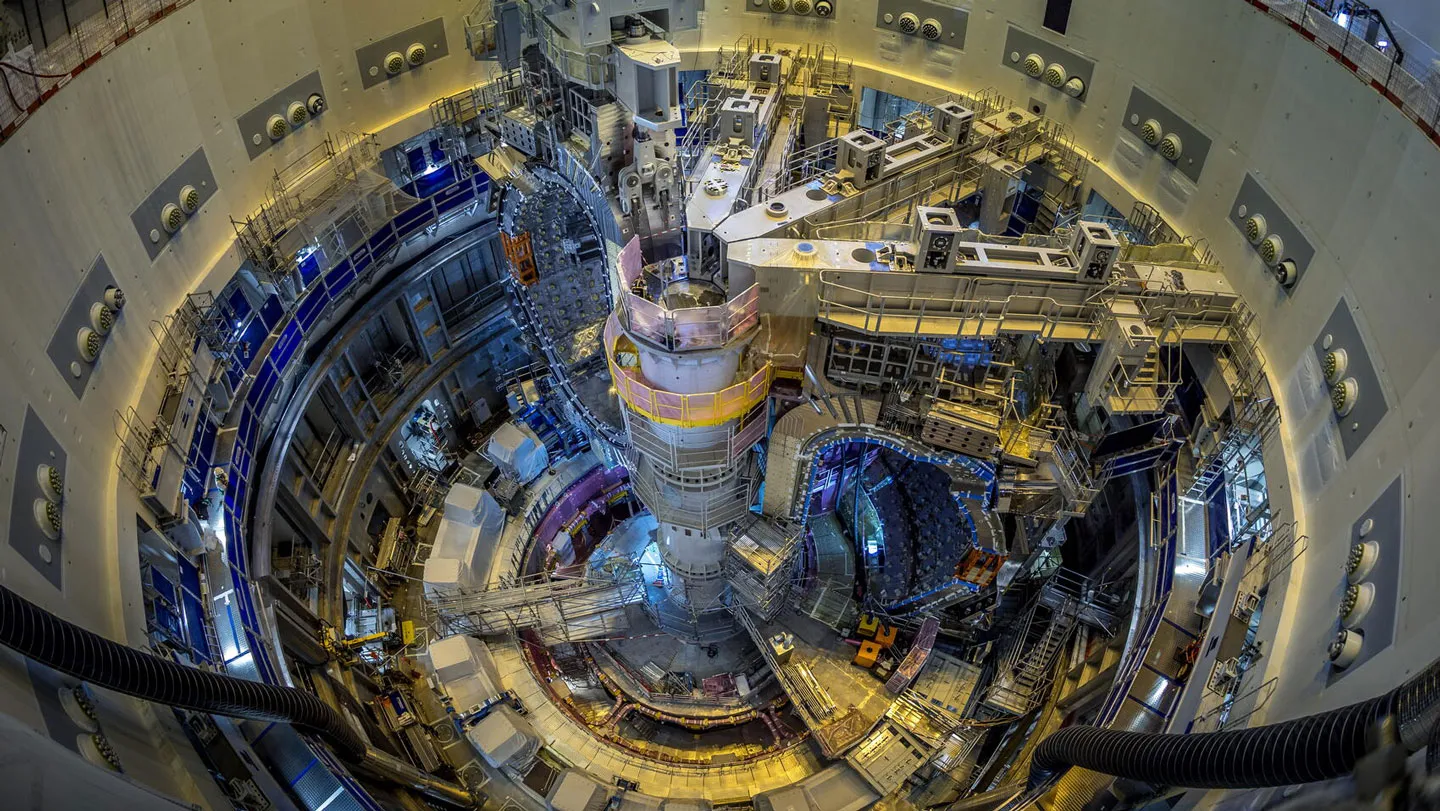
New simulations from researchers at the Princeton Plasma Physics Laboratory (PPPL) indicate that alpha particles—previously viewed as a potential disruption to fusion power—may actually serve to stabilize the plasma within a fusion reactor. By dampening turbulence, these high-energy particles could help maintain the extreme conditions necessary to sustain a self-heating fusion reaction, according to findings published in the journal Physical Review Letters.
Nuclear fusion, the process that powers the sun, involves fusing light atomic nuclei to release vast amounts of energy. On Earth, achieving this requires heating plasma to temperatures exceeding 100 million degrees Celsius. Scientists have long sought to harness this process as a source of clean, near-limitless energy. The recent study suggests that the very particles produced by the fusion reaction itself may act as a self-regulating mechanism, potentially simplifying the engineering requirements for future commercial fusion power plants.
Understanding the Role of Alpha Particles in Plasma Stability
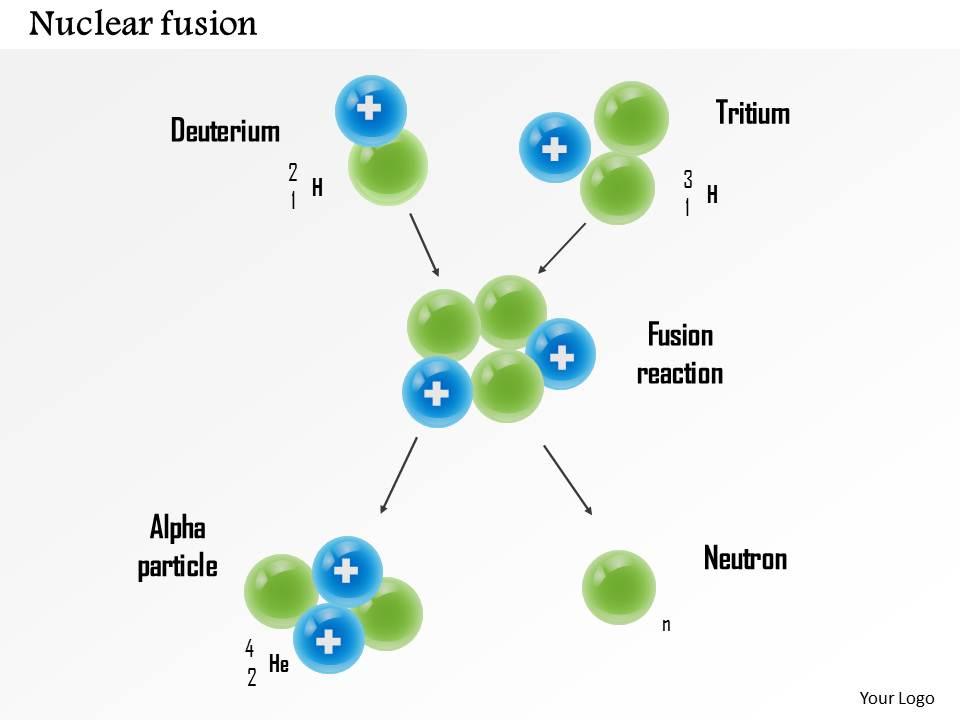
In a fusion reactor, deuterium and tritium nuclei fuse to create helium, or alpha particles, and a high-energy neutron. For decades, physicists were uncertain whether these alpha particles would increase turbulence within the magnetic confinement devices, such as tokamaks, or if they would have a neutral effect. Turbulence is a significant hurdle in fusion research, as it causes heat and particles to leak out of the magnetic “bottle,” cooling the plasma and halting the reaction.
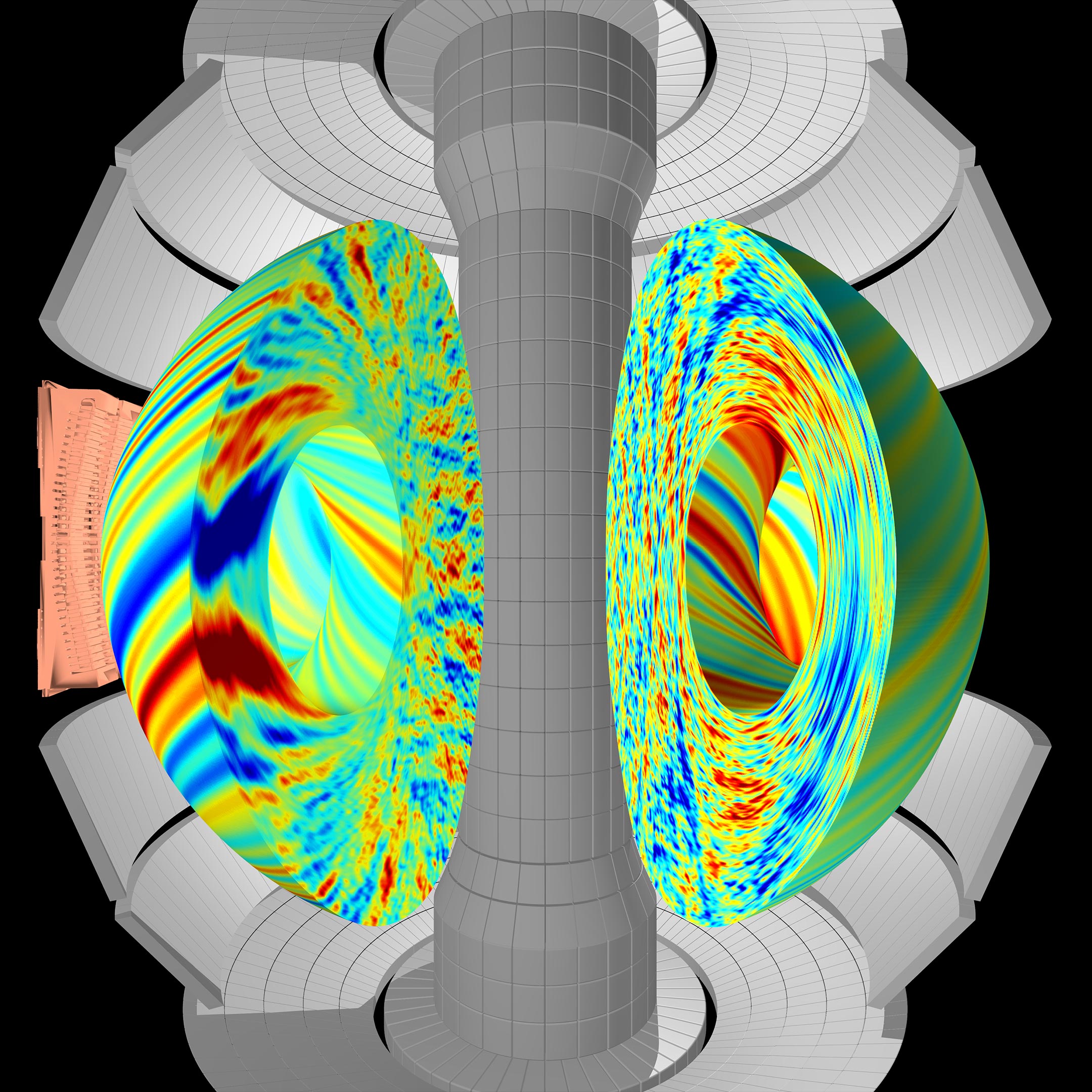
The research team, led by scientists at Princeton Plasma Physics Laboratory, utilized advanced computer simulations to model how alpha particles interact with the surrounding plasma environment. Their work demonstrates that these particles do not merely pass through the plasma; they actively interact with the micro-scale turbulence that typically plagues magnetic confinement. By effectively “dampening” these fluctuations, the alpha particles help keep the plasma trapped more efficiently, a phenomenon that could significantly improve energy confinement time.
How Turbulence Dampening Impacts Fusion Reactor Design
The practical implication of this discovery is a potential shift in how engineers approach reactor stability. If the alpha particles naturally suppress the turbulence that leads to energy loss, the design requirements for maintaining a “burning plasma”—a state where the reaction is self-sustaining—might be less stringent than previously estimated. This could lower the cost and complexity of building future reactors, such as the ITER project currently under construction in France.
According to the ITER Organization, achieving a burning plasma is the primary goal of the massive facility, which is designed to produce 500 megawatts of fusion power from 50 megawatts of input heating. The ability of alpha particles to stabilize the plasma suggests that the transition to a self-heating state might be more robust than earlier models predicted, providing a more optimistic outlook for the viability of magnetic confinement fusion.
Refining Future Fusion Energy Models
While these simulation results offer a promising development for fusion energy, researchers emphasize that they must be validated through experimental data from operational tokamaks. The discrepancy between theoretical models and real-world reactor performance has historically been a challenge in the field. Previous experiments have struggled to isolate the specific effects of alpha particles because they are difficult to produce in sufficient quantities without a fully functional, high-power fusion reaction.
The Massachusetts Institute of Technology (MIT) Plasma Science and Fusion Center notes that validating these models is essential for predicting the performance of next-generation devices. As research progresses, the integration of these findings into broader climate and energy policy frameworks will be critical. Understanding the physics of plasma at this level of detail allows for more accurate predictions regarding the timeline for deploying fusion energy as a component of the global electricity grid.
Next Steps in Fusion Research
The next major checkpoint for the field remains the commencement of high-power operation at ITER, which is currently scheduled to reach its first plasma phase in the coming years, with deuterium-tritium operations following thereafter. As experimental data becomes available, researchers will compare these results against the PPPL simulations to confirm the extent of the turbulence-dampening effect in a real-world environment.

Readers interested in following the progress of fusion energy development can monitor official updates through the International Atomic Energy Agency (IAEA), which tracks global fusion research initiatives. We encourage our readers to share their thoughts on the future of clean energy technology in the comments section below.
Worth a look