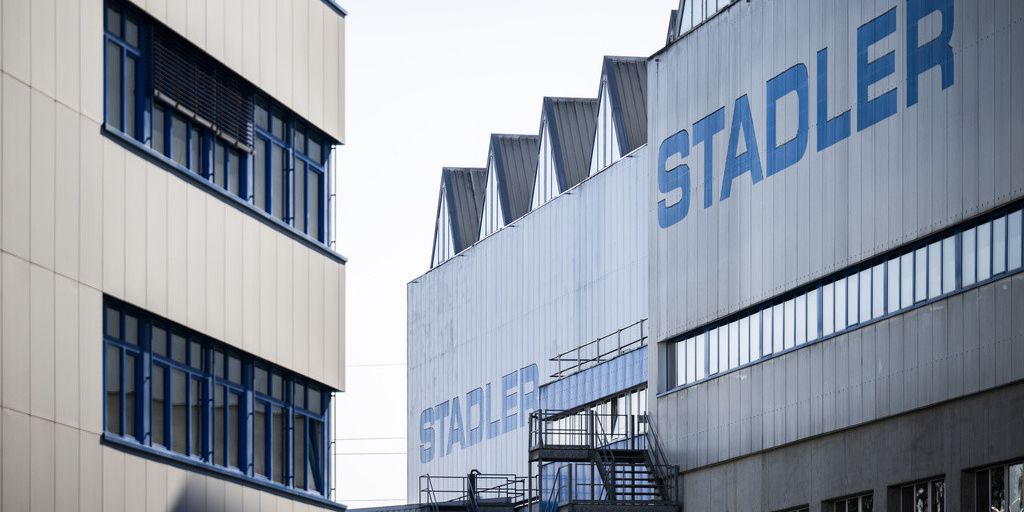
Stadler Rail, the Swiss train manufacturer based in Bussnang, has secured a contract to supply 21 light rail vehicles to the Austin Transit Partnership in Texas. The agreement marks a significant expansion for the company’s North American operations, with the new fleet intended to support the expansion of Austin’s public transportation infrastructure under the Project Connect program.
The contract, finalized recently, specifies that the manufacturing of these vehicles will take place at Stadler’s existing production facility in Salt Lake City, Utah. This domestic manufacturing component is a critical aspect of the agreement, aligning with federal procurement requirements often associated with transit infrastructure projects funded in part by the U.S. government. According to the Austin Transit Partnership, the acquisition of these vehicles is a foundational step in developing the light rail lines planned for the city’s growing transit network.
Stadler’s Strategic Presence in the U.S. Market
For Stadler, the Texas contract reinforces its position as a key supplier for regional transit authorities across the United States. The company has steadily increased its footprint in the American market by leveraging its Salt Lake City plant, which serves as its primary hub for U.S.-based assembly. By producing the Austin trams domestically, Stadler ensures compliance with “Buy America” provisions, which are standard for projects receiving federal transit grants, as outlined by the Federal Transit Administration.

The Salt Lake City factory has previously delivered rolling stock for various U.S. transit agencies, including systems in New Jersey, Atlanta, and San Francisco. The choice to manufacture the Austin fleet in Utah allows the company to maintain a closer supply chain to its North American clients while managing the logistics of large-scale vehicle delivery. This facility has become the centerpiece of Stadler’s efforts to compete with established domestic and international rail manufacturers in the U.S. sector.
Project Connect and Urban Mobility
The 21 trams are destined for the Project Connect light rail system, a major infrastructure initiative designed to alleviate traffic congestion and improve connectivity in the greater Austin area. As the city has experienced rapid population growth, the demand for high-capacity public transit has become a central focus for local policy makers and the Austin Transit Partnership. The light rail system is intended to connect key employment hubs, educational institutions, and residential districts.

The partnership, which oversees the implementation of the transit plan, has emphasized the need for modern, reliable, and accessible rolling stock. Stadler’s expertise in designing low-floor light rail vehicles is expected to contribute to the efficiency of boarding and passenger flow throughout the new lines. While the specific technical specifications of the Austin trams have not been fully detailed in public filings, Stadler typically customizes its vehicles to meet the unique gradient and climate requirements of the regions it serves.
Technical and Regulatory Milestones
The procurement process for transit vehicles of this scale involves rigorous oversight. Following the contract signing, the focus for both Stadler and the Austin Transit Partnership shifts toward the design review phase and the subsequent manufacturing timeline. According to the Austin Transit Partnership, the project remains subject to ongoing environmental assessments and federal funding approvals, which dictate the pace of infrastructure development.
The delivery schedule for the 21 vehicles will likely be coordinated with the construction progress of the rail tracks and support facilities in Austin. Historically, the lead time for such specialized rail equipment spans several years, involving stages from initial engineering and prototype testing to full-scale production and final commissioning. Stakeholders and members of the public can monitor the project’s progress through the official board meetings and public reports provided by the Austin Transit Partnership.
The next major checkpoint for the project involves the continued advancement of the environmental impact statement and the formalization of federal funding agreements. Interested parties can track these developments via official updates published on the Project Connect portal. We invite readers to share their thoughts on the expansion of Austin’s transit infrastructure in the comments section below.
Related reading