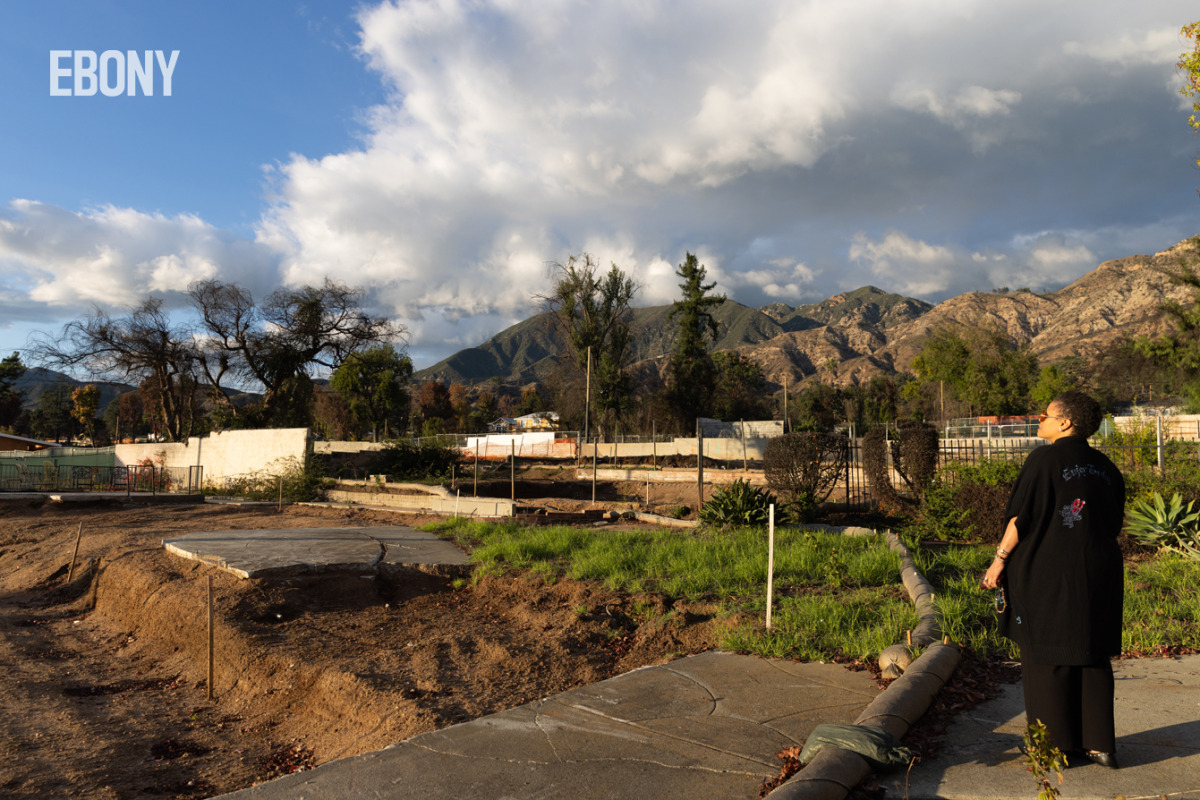
One year has passed since teh devastating Eaton wildfire swept through Altadena, California, and the community continues to grapple with the profound impacts of loss while charting a course for the future.
The story of recovery is now being told in standing in the Ashes: One Year After the Altadena Fires,a new short film that’s part of EBONY Voices,a series dedicated to sharing stories of resilience,heritage,and community strength. This powerful film intimately follows three long-standing Altadena families as they navigate the complex emotions of grief, the challenges of rebuilding, and the crucial decision of whether to remain in a historically Black neighborhood that experienced a disproportionate share of the devastation.
The Eaton wildfire tragically resulted in 19 fatalities and inflicted damage on over 9,400 homes and structures. Did You Know? According to the National Interagency Fire Center, 2025 saw a 25% increase in acres burned compared to the 2023 wildfire season, highlighting the growing threat of wildfires across the Western United States.
Black households were notably vulnerable, and many homeowners affected are seniors, which complicates the already arduous recovery process.For the families featured in the film, reconstruction extends beyond simply repairing buildings; it’s about safeguarding a legacy, preserving cultural identity, and maintaining a sense of belonging that has been cultivated over generations.
The power of community in the Face of Disaster
Amidst the wreckage, community leadership emerged as a beacon of hope. The film shines a spotlight on Antoinette “Toni” Bailey-Raines, a recognized community leader and a 2025 EBONY Power 100 Community Crusader. Her grassroots radio programme and podcast, Altadena Talks, quickly became a vital source of connection and crucial information for residents in the wake of the fires.
I’ve found that in times of crisis, local media and community-led initiatives often fill the gaps left by larger organizations, providing a personalized and responsive support system. Bailey-raines’s work exemplifies this, demonstrating the power of localized communication in fostering resilience.
standing in the Ashes presents an authentic and unflinching portrayal of recovery, avoiding sensationalism and resisting the temptation to reduce individuals to mere statistics.It’s a grounded look at the realities of rebuilding, one year on.
The film is currently available as part of the “EBONY Voices” series and can be viewed on EBONY.com and YouTube.
Pro Tip: When facing a disaster, documenting everything – damage, expenses, communications with insurance – is crucial for a smoother recovery process. Consider creating a digital folder and backing it up to the cloud.
Understanding the Long-Term Impact of Wildfires
The aftermath of a wildfire extends far beyond the immediate destruction. Beyond the physical rebuilding, communities face challenges related to mental health, economic stability, and environmental restoration. According to a recent study by the american Psychological Association, rates of PTSD and anxiety are considerably higher in communities affected by wildfires.
Moreover, the economic impact can be significant. Property values may decline, businesses may struggle, and the cost of rebuilding can be prohibitive. Long-term recovery requires sustained investment in infrastructure, mental health services, and economic development initiatives.
Here’s a quick comparison of wildfire impacts:
| Impact Area | Short-Term Effects | Long-Term Effects |
|---|---|---|
| Physical Damage | Home destruction, infrastructure loss | Rebuilding costs, altered landscapes |
| Mental health | Trauma, anxiety, grief | PTSD, long-term emotional distress |
| Economic Impact | Business disruption, job losses | Property value decline, reduced tourism |
As we look ahead, it’s essential to prioritize wildfire prevention, mitigation, and preparedness. This includes investing in forest management practices, strengthening building codes, and educating communities about wildfire risks.The story of Altadena serves as a powerful reminder of the importance of resilience, community, and proactive planning in the face of increasing environmental challenges.
The