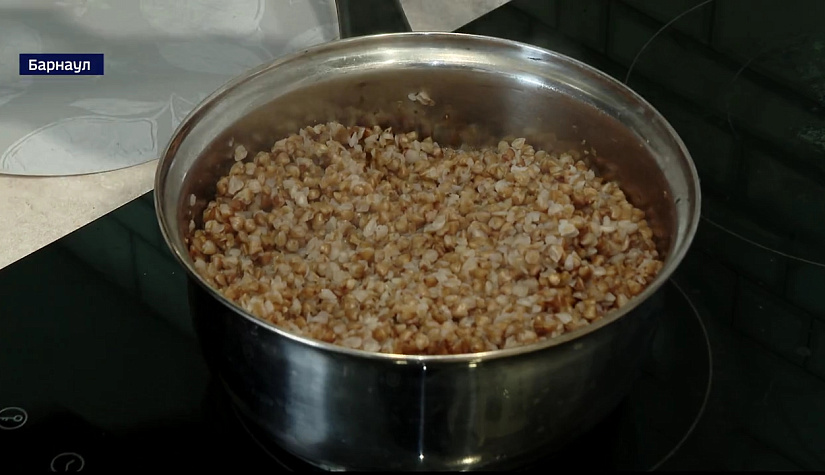
Altai Krai: Russia’s Buckwheat Heartland and Beyond
The Altai Krai region of Russia continues to solidify its position as the nation’s leading producer of buckwheat, a staple grain increasingly valued for its nutritional benefits and versatility. While traditionally celebrated for its agricultural output, particularly wheat and other grains, Altai Krai has become synonymous with buckwheat production, accounting for a significant portion of the country’s total harvest. This success isn’t merely about volume; recent data indicates that buckwheat grown in the region is also achieving record levels of quality, attracting both domestic and international demand. Beyond the kitchen, but, innovative companies in Altai Krai are exploring novel applications for this humble grain, from cosmetics to specialized food products, signaling a diversification of its economic impact.
In 2023, Altai Krai harvested 929,000 tons of buckwheat, representing approximately two-thirds of the total Russian buckwheat crop of 1.48 million tons, according to the regional Ministry of Agriculture. SpecAgro reports that this harvest surpasses the 2022 yield by 21.5% and exceeds the five-year average by a substantial 56.3%. This remarkable increase underscores the resilience of Altai Krai’s agricultural sector, even amidst challenging weather conditions. The Altai branch of the Federal State Budget Institution “Center for Grain Quality Assessment” has confirmed that the buckwheat cultivated in southwestern Siberia has reached unprecedented quality standards, demonstrating a consistent level of excellence across the region.
A History of Buckwheat Dominance
Buckwheat, or *grechka* as it’s known in Russia, has long been a significant crop in the Altai Krai. The region, boasting over 5.3 million hectares of arable land – the largest in Russia – traditionally focuses on crops like wheat, rye, sunflower, soybeans, sugar beets and flax. However, buckwheat has emerged as a “signature culture” for the region, currently cultivated on approximately 400,000 hectares. Alt-Niva.ru highlights the importance of buckwheat to the region’s agricultural identity.
Despite a slight reduction in planned planting area for 2024 – down to 371,000 hectares according to the Ministry of Agriculture’s projections – Altai Krai’s buckwheat production remains robust. This decrease is attributed to a five-year trend of declining buckwheat prices at the point of purchase from producers. However, Altai farmers are mitigating these lower prices through consistent export markets, primarily to China, Japan, Kazakhstan, Azerbaijan, and Belarus. The demand for Russian buckwheat remains strong internationally, ensuring a stable revenue stream for regional agricultural businesses.
Beyond the Bowl: Innovative Uses for Buckwheat
Traditionally, buckwheat is consumed as *kasha*, a porridge-like dish popular throughout Russia and Eastern Europe. It’s also processed into buckwheat flour, soba noodles, and even tea-like beverages. However, Altai Krai is now pioneering new applications for the grain, extending its reach beyond the culinary world. Igor Shipovalov, CEO of a local cosmetic production company, revealed that buckwheat is proving to be a valuable ingredient in skincare. His company is extracting a concentrated extract from Altai buckwheat using a supercritical carbon dioxide process, optimizing the dosage for cosmetic formulations.
The resulting buckwheat cream, designed to strengthen capillaries and slow down skin aging, is currently undergoing licensing procedures and is expected to be available for sale soon. Shipovalov’s company recognizes the inherent health benefits of buckwheat consumption, but believes its cosmetic potential is equally significant. This innovative approach demonstrates a commitment to maximizing the value of Altai Krai’s agricultural resources and diversifying its economic base.
Quality Control and Regional Impact
The consistently high quality of Altai Krai’s buckwheat is a key factor in its success. In 2023, assessments conducted across seven federal districts and 27 regions of Russia revealed that 43% of the harvested buckwheat met the standards for the first class, with 31% classified as second class and 23% as third class. As reported by SpecAgro, this demonstrates a high level of consistency and quality control throughout the region’s buckwheat production process. The Altai region’s commitment to quality extends to the development of new buckwheat varieties, further enhancing its competitive edge.
The economic impact of buckwheat production extends beyond the farms themselves. The grain supports a network of processing facilities, transportation companies, and export businesses, creating jobs and contributing to the overall prosperity of the Altai Krai. The region’s strategic location and well-developed infrastructure facilitate the efficient movement of buckwheat to both domestic and international markets.
Buckwheat Production in Russia: A Growing Trend
Russia as a whole has seen a significant increase in buckwheat production in recent years. Graininfo.ru reports that in 2023, the country harvested a record amount of buckwheat, exceeding the previous year’s yield by 100,000 tons. This growth is driven by factors such as favorable weather conditions, improved agricultural practices, and increasing demand for this nutritious grain. The Altai Krai’s leadership in this sector is crucial to Russia’s overall food security and export capabilities.
The success of Altai Krai’s buckwheat industry serves as a model for other agricultural regions in Russia. By focusing on quality, innovation, and export markets, the region has demonstrated the potential to transform a traditional crop into a valuable economic asset. The ongoing research and development efforts in Altai Krai promise to further enhance the quality and versatility of buckwheat, solidifying its position as a key agricultural product for years to come.
Looking ahead, the Altai Krai is expected to continue its dominance in Russian buckwheat production. The region’s commitment to sustainable agricultural practices, coupled with its innovative spirit, positions it for continued success in the global market. Further research into the potential applications of buckwheat, particularly in the cosmetic and pharmaceutical industries, could unlock even greater economic opportunities for the region.
What are your thoughts on the innovative uses of buckwheat? Share your comments below and let us know how you enjoy this versatile grain!
Worth a look