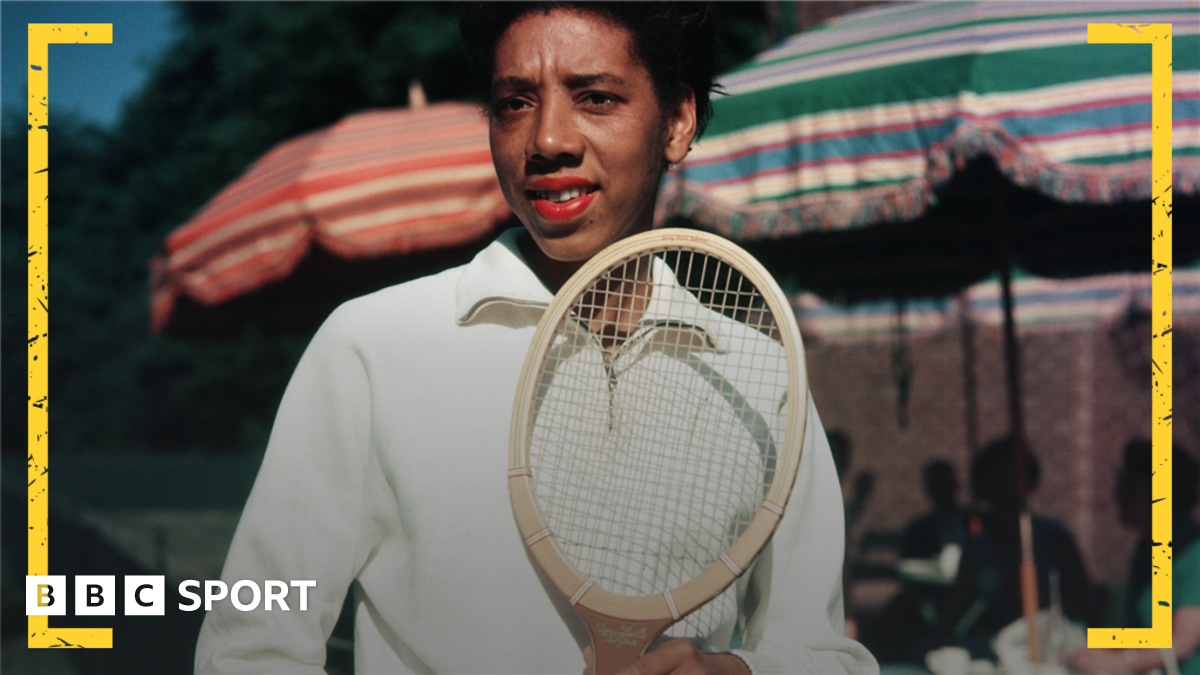
From Harlem Courts to Grand Slam Glory: The Althea Gibson Story
Althea Gibson’s rise to tennis superstardom is a compelling narrative of raw talent, unwavering determination, and the breaking of racial barriers. Her story isn’t just about winning championships; it’s about overcoming adversity and reshaping a sport. This is how a young woman from the streets of Harlem became a global icon.
Humble beginnings: A Chance Encounter
Gibson’s introduction to tennis was remarkably casual. As she recounts, it began with a simple find: “Two bats and a sponge rubber ball.” A friend and a makeshift court in Harlem sparked a passion that would define her life.She and her friend quickly became captivated, playing as soon as the paddle tennis court was available each morning.
This early dedication didn’t go unnoticed. Gibson possessed a natural athleticism and a fierce competitive spirit, reportedly honed by her father encouraging her to “fight” during rooftop sparring sessions. This combination quickly drew attention.
Early Mentorship and Refinement
Buddy Walker, a local bandleader and community organizer, recognized Gibson’s potential. He introduced her to the Cosmopolitan club, a private tennis haven for Black professionals in West Harlem. There, she began formal training with Fred Johnson, a one-armed professional who expertly refined her natural abilities.
Johnson focused on developing Gibson’s powerful serve and overall athleticism - hallmarks of her future success. However, navigating the social landscape of the Cosmopolitan Club proved challenging.
A Clash of Worlds
gibson’s background differed significantly from many of her fellow players. She was a “blue-collar kid” amongst doctors, lawyers, and scholars. As film director Rex Miller notes, she faced pressure to conform to the etiquette expected by the club’s more affluent members.
Gibson, however, was fiercely autonomous. She resisted attempts to control her,often alienating those offering assistance. This rebellious streak stemmed from a distrust of strings attached to generosity.
The “Godfathers” of Black Tennis
A turning point came with the mentorship of Dr. Hubert Eaton and Dr. Robert Johnson. These two scholars, also accomplished tennis players, were instrumental in nurturing promising Black athletes.Thay saw in gibson a potential akin to Jackie Robinson – a player capable of shattering racial barriers in tennis.
Recognizing her raw talent, they also understood the need for structure and education. They devised a plan to provide Gibson with the resources she needed to succeed, both on and off the court.
A Rigorous Training Regimen
Gibson spent school years living and training with Dr. Eaton, a chief surgeon in Wilmington, North Carolina. summers were spent with Dr. Johnson in Lynchburg, Virginia. this arrangement provided consistent coaching and a focused environment.
Eaton and Johnson were more than just coaches; they were civil rights advocates with a clear vision. They aimed to cultivate the first Black tennis champion, and Gibson was their chosen athlete. They understood the power of sport to challenge societal norms.
Key Takeaways & Gibson’s Legacy
Althea Gibson’s journey is a testament to the power of perseverance and the importance of mentorship. here’s what you can learn from her story:
* Raw talent needs refinement: Gibson’s natural ability was undeniable, but it was honed through dedicated coaching.
* Overcoming adversity builds character: Her challenging upbringing and the racial barriers she faced shaped her resilience.
* Mentorship can be transformative: The guidance of Walker, Johnson, and Eaton was crucial to her success.
* Breaking barriers requires courage: Gibson’s willingness to challenge the status quo paved the way for future generations.
Gibson’s achievements extended far beyond the court. She became a symbol of hope and inspiration for Black Americans during the Civil Rights Movement. Her story continues to resonate today,reminding us that with dedication and support,anything is possible.