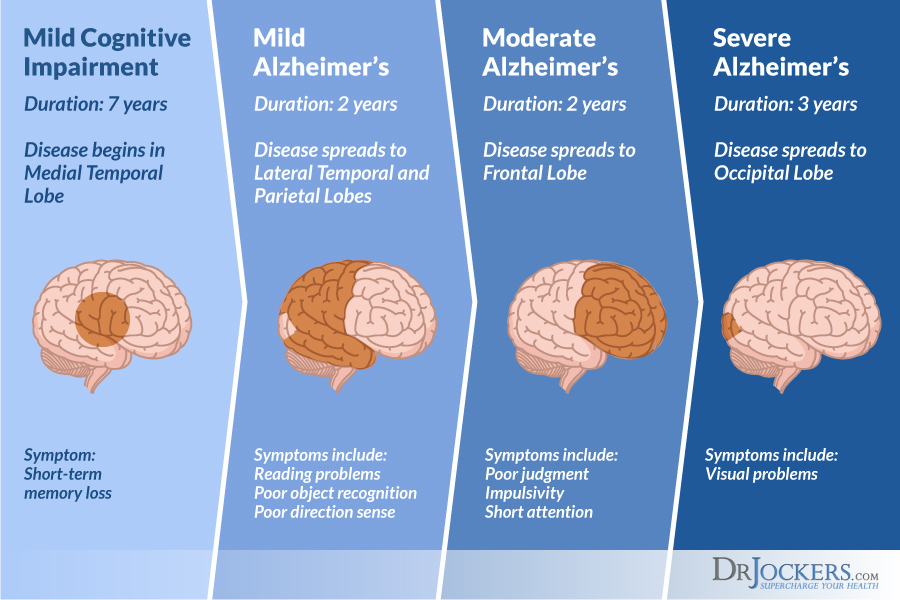
New clinical guidelines for the detection and diagnosis of Alzheimer’s disease have been established to standardize early identification and improve patient care pathways. These recommendations, developed by health authorities and professional medical organizations, emphasize the integration of biomarker testing and cognitive assessment tools to facilitate earlier interventions. According to the French National Authority for Health (HAS), which frequently updates its clinical protocols, the shift toward a biological definition of the disease is intended to modernize diagnostic accuracy across primary and specialist care settings.
The updated framework reflects a broader international shift in neurology, moving away from relying solely on clinical symptoms toward a diagnosis supported by objective evidence. For clinicians, this means incorporating blood-based biomarkers and neuroimaging earlier in the consultation process. As a physician, I recognize that these changes are critical; early identification allows patients and families to access support services and potential therapeutic options at a stage where they may be most effective.
Shifting to Biological Markers in Diagnostic Protocols
The core of the new guidance involves the systematic use of biomarkers to confirm the presence of Alzheimer’s pathology, such as amyloid-beta plaques and tau protein tangles in the brain. Traditionally, diagnosis was largely based on neuropsychological testing and clinical observation of cognitive decline. However, the Alzheimer’s Society notes that the availability of cerebrospinal fluid (CSF) analysis and PET imaging has fundamentally changed the diagnostic landscape.
In practice, the updated recommendations encourage general practitioners to initiate the diagnostic process by identifying memory complaints early. Once a potential cognitive impairment is detected, the patient is referred to a memory center for more specialized testing. This tiered approach ensures that while primary care remains the entry point, the definitive diagnosis relies on high-precision biological data. The goal is to reduce the “diagnostic delay,” which has historically left many patients without a clear explanation for their symptoms for several years.
The Role of Primary Care in Early Detection
General practitioners serve as the primary gatekeepers in the diagnostic journey. The new guidelines stress that physicians should not wait for severe cognitive deficits to emerge before referring patients for evaluation. Instead, persistent subjective memory complaints or subtle changes in executive function should trigger a structured assessment.

According to the World Health Organization (WHO), dementia affects over 55 million people globally, a figure expected to rise significantly as populations age. By providing primary care providers with clearer, evidence-based criteria, the hope is to standardize the referral process. This prevents unnecessary testing while ensuring that those with genuine neurodegenerative conditions are fast-tracked to neurology or geriatric departments.
Implications for Patient Management
A formal diagnosis, supported by biological evidence, changes the management strategy for both the patient and their caregivers. It allows for a more personalized care plan that may include cognitive rehabilitation, lifestyle modifications, and, where appropriate, access to emerging disease-modifying therapies. The European Medicines Agency (EMA) continues to evaluate new pharmacological treatments, and the effectiveness of these treatments often depends on identifying the disease in its earliest, mildest stages.
Furthermore, early diagnosis provides patients with the opportunity to participate in advance care planning. It allows individuals to express their preferences regarding future medical, legal, and financial decisions while they still possess the capacity to do so. This proactive approach significantly reduces the burden on families who might otherwise be forced to make difficult decisions during a crisis.
What Happens Next for Clinical Practice
The implementation of these recommendations will require ongoing training for healthcare professionals to ensure they are proficient in the use of new diagnostic tools. Medical institutions are currently integrating these protocols into their local clinical pathways, with a focus on streamlining the communication between general practitioners and hospital-based memory clinics.
For patients and their families, the next steps involve discussions with their primary care physician regarding any ongoing concerns about cognitive health. While the prospect of a diagnosis can be daunting, the current shift toward objective, biomarker-based medicine offers a clearer path forward. We encourage our readers to discuss these developments with their healthcare providers. If you have questions about memory changes or the diagnostic process, please leave a comment below or share this article with your community to help spread awareness about the importance of early detection.