
Researchers investigating neurodegenerative diseases have identified potential biomarkers in human skin cells that may assist in the early detection of Alzheimer’s disease. Recent studies suggest that specific cellular changes, particularly those related to the protein tau and the amyloid-beta peptide, can be observed in skin tissue, providing a non-invasive window into the brain’s pathology years before clinical symptoms of cognitive decline appear. These findings, while preliminary, represent a shift in the diagnostic landscape, moving toward more accessible screening methods for neurodegenerative conditions.
The development of diagnostic tools for Alzheimer’s disease has historically relied on invasive procedures, such as lumbar punctures to analyze cerebrospinal fluid, or expensive neuroimaging techniques like PET scans. According to the Alzheimer’s Association, the disease is characterized by the accumulation of amyloid plaques and tau tangles in the brain. Scientists are now exploring whether these same pathological markers manifest in peripheral tissues, such as the skin, which shares a common developmental origin with the nervous system during embryogenesis.
Understanding the Connection Between Skin and Brain
The hypothesis that skin cells can reflect brain health rests on the shared ectodermal origin of both tissues. Because the skin and the brain develop from the same embryonic layer, researchers have posited that systemic diseases affecting the central nervous system might leave molecular footprints in dermal fibroblasts. A study published in the journal Molecular Neurobiology has explored how skin-derived cells might serve as a surrogate for studying neuronal responses to oxidative stress and protein aggregation.
This approach aims to address the diagnostic gap in early-stage dementia. By the time a patient presents with memory loss or cognitive impairment, significant neuronal damage has often already occurred. If clinicians could identify reliable biomarkers in a standard skin biopsy, it could theoretically allow for earlier intervention, potentially slowing the progression of the disease through lifestyle modifications or emerging pharmacological therapies. The World Health Organization notes that early diagnosis is critical for managing the social and economic impacts of dementia, which currently affects over 55 million people worldwide.
Current Limitations and Diagnostic Hurdles
Despite the promise of skin-based diagnostics, experts urge caution regarding the clinical readiness of these tests. While laboratory findings have shown a statistical correlation between skin-based protein biomarkers and Alzheimer’s pathology, these results must be validated in large-scale, longitudinal clinical trials. The variability in protein expression among patients and the potential influence of environmental factors on skin cell health remain significant hurdles.
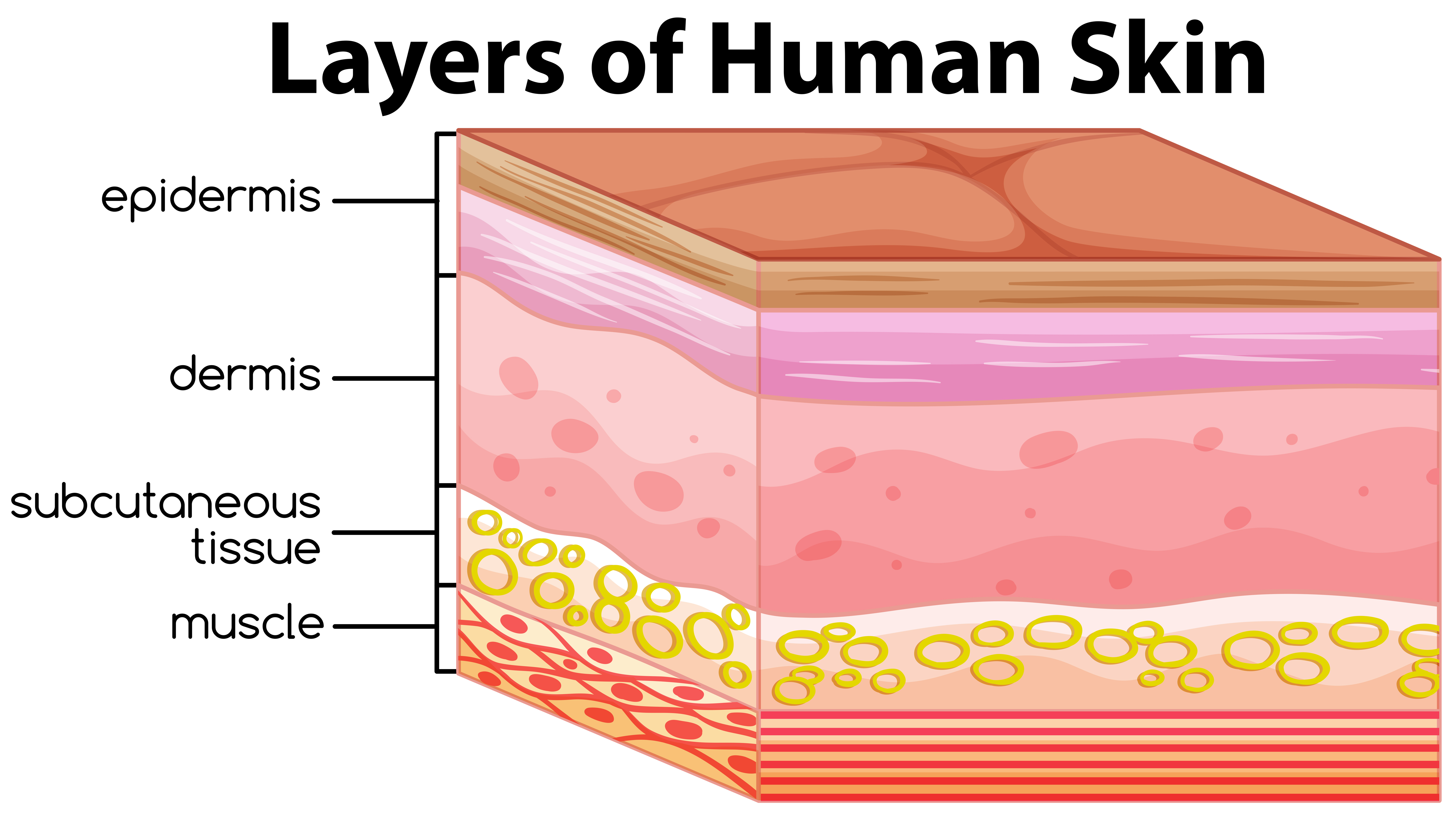
Furthermore, the diagnostic gold standard remains a combination of clinical assessment, cognitive testing, and biomarker validation through either cerebrospinal fluid analysis or specialized imaging. According to the National Institute on Aging, there is currently no single, simple blood or skin test that provides a definitive diagnosis for Alzheimer’s disease in a primary care setting. Diagnostic accuracy is currently highest when multiple modalities are used to confirm the presence of amyloid and tau pathology.
Future Directions in Neurodegenerative Screening
The research community is increasingly focused on the concept of “liquid biopsies” and peripheral tissue analysis to democratize access to screening. If a skin-based assay were to be standardized, it could offer a less expensive alternative to PET scans, which are not widely available in many regions of the world. Efforts are now focused on refining the sensitivity and specificity of these assays to ensure they can distinguish between Alzheimer’s disease and other forms of dementia, such as frontotemporal dementia or vascular dementia.
Ongoing clinical investigations are expected to provide more clarity on the utility of these biomarkers. The next phase of research involves multi-center studies to determine whether skin biopsies can reliably predict the conversion from mild cognitive impairment to Alzheimer’s dementia. As these studies progress, the medical community continues to advocate for a multifaceted approach to diagnosis, emphasizing the importance of early consultation with specialists for individuals experiencing persistent memory concerns.
For those seeking information on current diagnostic criteria or clinical trial participation, the U.S. National Library of Medicine’s ClinicalTrials.gov provides updated registries of ongoing research studies. Patients and caregivers are encouraged to consult with their neurologists regarding the most current, evidence-based diagnostic options available in their region.
What has been your experience with the evolving landscape of dementia diagnostics, or would you like to see more information on specific biomarkers? Please join the conversation in the comments section below.
Related reading
- José Luis Perales on Oregón TV: A Night of Chaos, Absurdity, and Surreal Humor
- National Immunization Awareness Month: Why August Matters for Your Health
- ChatGPT Helps Woman Diagnose Rare Disease After Doctors Misdiagnosed Her with Anxiety (archynewsy.com)
- Rosetta Space Probe Achieves Historic Breakthrough in Space Exploration (newsdirectory3.com)