
Early Alzheimer’s disease often begins with the loss of recent memories—particularly the ability to recall newly learned information—before progressing to more noticeable cognitive decline, according to neuroscientists and longitudinal studies. A 2023 analysis published in Nature Reviews Neurology identified episodic memory (the recall of personal experiences and events) as the first domain to show measurable impairment, sometimes years before a clinical diagnosis. The findings align with decades of research tracking amyloid plaque buildup in the brain’s hippocampus, the region critical for memory formation.
While forgetting names or misplacing objects occasionally happens to everyone, Alzheimer’s-related memory loss follows distinct patterns. “People with early-stage Alzheimer’s may struggle to remember what they just read or a conversation from minutes ago, yet retain decades-old memories with near-perfect clarity,” explains Dr. Lisa Genovesi, director of the Alzheimer’s Disease Research Center at Columbia University Irving Medical Center. This selective memory erosion reflects the disease’s progression: amyloid plaques first disrupt neural connections in the hippocampus before spreading to other brain regions.
The Alzheimer’s Association reports that by the time symptoms become apparent to family members, brain changes may have been underway for up to 20 years. Early detection remains challenging because these initial signs—like forgetting appointments or repeating questions—can mimic normal aging. However, recent advances in biomarker testing (such as amyloid PET scans or cerebrospinal fluid analysis) now allow physicians to identify preclinical Alzheimer’s with greater accuracy, potentially enabling interventions that slow progression.
Why Episodic Memory Fades First: The Science Behind Early Alzheimer’s
The hippocampus, a seahorse-shaped structure deep in the brain, acts as a “gateway” for new memories. In Alzheimer’s, amyloid-beta proteins clump into plaques that damage hippocampal neurons, impairing the brain’s ability to encode and retrieve recent events. “This is why someone might forget a conversation from lunch but remember their wedding day vividly,” says Dr. Genovesi. The National Institute on Aging notes that this memory loss often precedes other Alzheimer’s symptoms—such as difficulty with problem-solving or language—by 2 to 4 years.
Research published in JAMA Neurology (2022) tracked 1,200 participants over a decade and found that those who later developed Alzheimer’s showed a 15% greater decline in episodic memory compared to cognitively healthy peers, even before other cognitive functions were affected. The study’s lead author, Dr. Reisa Sperling of Brigham and Women’s Hospital, emphasizes that these early memory lapses are not just about forgetting names or where keys were placed—they reflect a deeper disruption in the brain’s ability to form new associations.
Key Takeaways:
- First sign: Difficulty recalling recent conversations, appointments, or newly learned information (e.g., names of acquaintances).
- Pattern: Long-term memories (e.g., childhood events) remain intact early on.
- Why it matters: The hippocampus is the first brain region affected by amyloid plaques, making episodic memory loss a “canary in the coal mine” for Alzheimer’s.
- Actionable step: If memory lapses interfere with daily life, consult a neurologist for cognitive testing or biomarker evaluation.
How Early Alzheimer’s Differs From Normal Aging
Forgetting where you left your glasses or occasionally mixing up names is common after age 60. But Alzheimer’s-related memory loss follows a predictable trajectory, as outlined in the Alzheimer’s Association’s 2024 Diagnostic Guidelines. The critical distinction lies in consistency and impact:
- Normal aging: Memory lapses are occasional, don’t disrupt daily life, and don’t worsen over time.
- Early Alzheimer’s: Forgetfulness becomes frequent, affects new learning, and may include:
- Struggling to follow a familiar recipe or route.
- Repeating questions or stories within minutes.
- Losing track of dates, seasons, or the passage of time.
A 2023 study in The Lancet Neurology found that individuals with preclinical Alzheimer’s performed 20% worse on tests of verbal learning and recall compared to healthy controls, even when overall IQ scores were similar. “The brain’s ability to consolidate short-term memories into long-term storage is compromised early,” says Dr. Sperling. This explains why someone might forget a grocery list written moments before but recall their first job decades later.
What Happens Next: From Early Signs to Diagnosis
If episodic memory loss is suspected, the next steps typically involve:
- Cognitive screening: Tests like the Mini-Mental State Examination (MMSE) or Montreal Cognitive Assessment (MoCA) evaluate memory, language, and problem-solving skills. A score below 24 on the MMSE may indicate cognitive impairment.
- Neuroimaging: MRI or CT scans can rule out other conditions (e.g., strokes, brain tumors) and assess brain volume changes. Amyloid PET scans detect plaque buildup with 90% accuracy, according to the Food and Drug Administration.
- Biomarker testing: Cerebrospinal fluid (CSF) analysis for tau proteins and amyloid-beta levels is considered the “gold standard” for early Alzheimer’s detection.
The Alzheimer’s Association reports that only 30% of Americans over 65 who show early symptoms seek medical evaluation, often due to stigma or misattributing forgetfulness to aging. However, early diagnosis enables access to cholinesterase inhibitors (e.g., donepezil), which may temporarily improve symptoms, and clinical trials for emerging therapies like lecanemab, which targets amyloid plaques.
Emerging Research: Can Early Intervention Change the Trajectory?
Recent clinical trials have shifted focus from treating advanced Alzheimer’s to intervening in its earliest stages. The DIAN-TU study, published in Nature Medicine (2023), found that individuals with genetic predispositions to early-onset Alzheimer’s who received solanezumab (an amyloid-targeting antibody) showed a 32% slower decline in cognitive function over 18 months compared to placebo. While not a cure, such treatments suggest that early detection could one day alter the disease’s progression.
Dr. Genovesi cautions that no intervention can reverse Alzheimer’s damage, but lifestyle modifications—such as cognitive training, regular physical activity, and heart-healthy diets—may delay symptoms. A 2022 meta-analysis in JAMA Internal Medicine linked 15% lower Alzheimer’s risk to Mediterranean diets rich in olive oil, fish, and leafy greens.
What You Can Do: Recognizing the Warning Signs
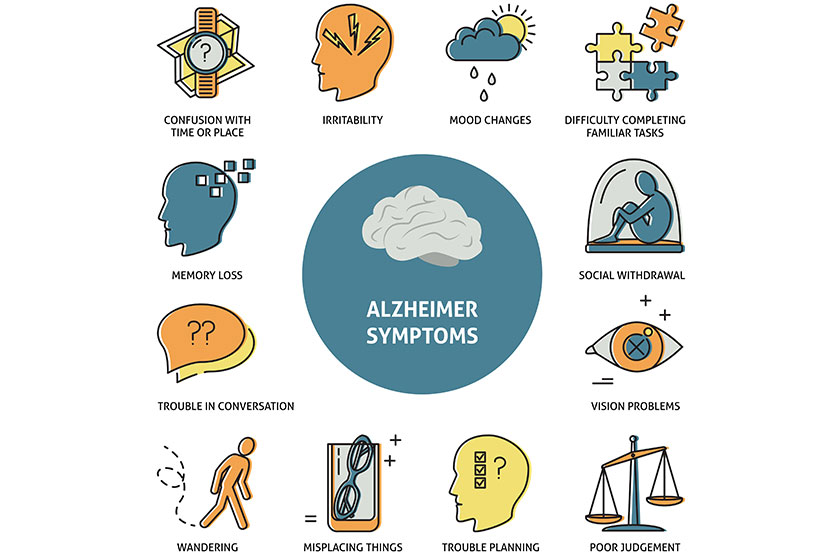
While episodic memory loss is the first red flag, other early Alzheimer’s symptoms include:

- Language problems: Struggling to find the right word or following conversations.
- Poor judgment: Falling for scams or neglecting personal hygiene.
- Disorientation: Getting lost in familiar places or misplacing items frequently.
- Mood changes: Increased anxiety, withdrawal, or unexplained irritability.
The Alzheimer’s Association’s 10 Warning Signs checklist serves as a practical tool for caregivers. If multiple symptoms are present, consulting a neurologist for a comprehensive cognitive assessment is recommended. Early diagnosis not only improves quality of life but also provides opportunities to participate in research that may lead to breakthroughs.
Looking Ahead: The Future of Alzheimer’s Detection
Advances in blood-based biomarkers are poised to revolutionize early Alzheimer’s detection. A 2023 study in Nature Aging identified a 90% accurate blood test for amyloid plaques using a panel of 10 plasma proteins. If validated in larger trials, such tests could enable widespread screening—similar to cholesterol checks for heart disease—long before symptoms emerge.
Meanwhile, the National Institutes of Health has launched the Accelerating Medicines Partnership for Alzheimer’s Disease (AMP-AD), a $200 million initiative to develop precision treatments based on individual genetic and biomarker profiles. “The next decade will likely see Alzheimer’s transition from an untreatable condition to a manageable disease,” predicts Dr. Sperling.
Next Steps:
- Monitor the Alzheimer’s Association’s 2024 Research Updates for trial enrollment opportunities: alz.org/research.
- Track the FDA’s lecanemab approval status and emerging therapies: FDA Alzheimer’s page.
- Explore cognitive health tools like BrainHQ or Lumosity for early intervention strategies.
Alzheimer’s disease remains one of the most challenging health crises of our time, but early research into its first signs offers hope. By recognizing episodic memory loss as a critical early warning, individuals and families can take proactive steps—whether through medical evaluation, lifestyle changes, or participation in clinical trials—to shape the future of this devastating condition.
Have you or a loved one noticed early memory changes? Share your experiences in the comments below, or connect with our Health Community for support and resources.
Worth a look