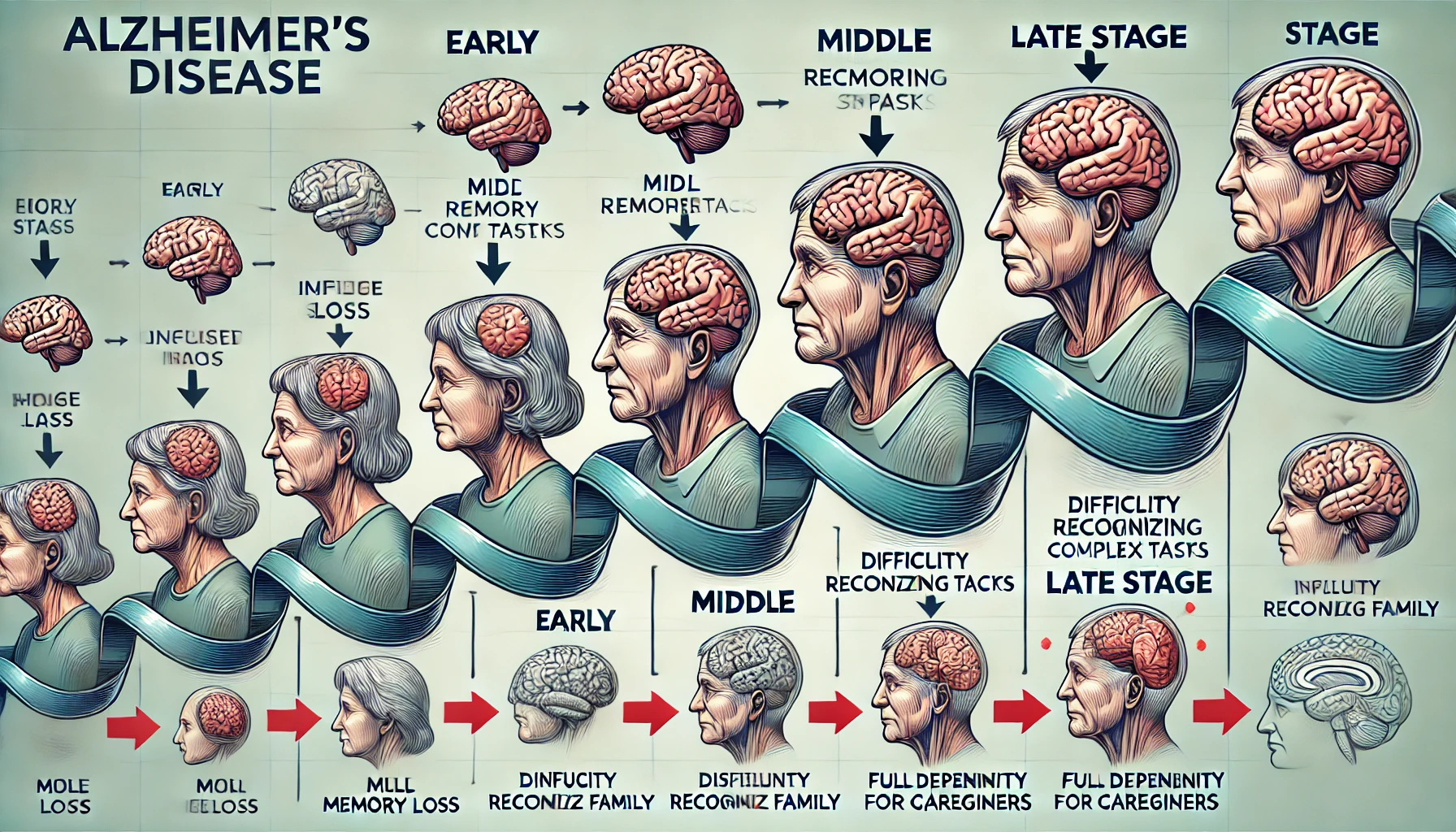
Alzheimer’s disease remains one of the most complex challenges in modern neurology, affecting an estimated 55 million people worldwide according to the World Health Organization. As the global population ages, the diagnostic and social implications of neurodegenerative decline have shifted, moving from a strictly medical concern to a broader discussion about patient agency, memory preservation, and the ethical responsibility of caregiving. Understanding the progression of this condition is essential for families navigating the transition from early-stage cognitive impairment to more advanced stages of dementia.
The core of the Alzheimer’s experience involves a progressive decline in cognitive function, primarily driven by the accumulation of amyloid-beta plaques and tau protein tangles in the brain. These biological changes, as outlined by the National Institute on Aging, disrupt communication between neurons, eventually leading to cell death and the characteristic symptoms of memory loss, confusion, and personality changes. For the patient, the loss of personal narrative—the “story” of one’s life—is often the most profound consequence.
Clinical Understanding and Early Detection
Early identification of Alzheimer’s disease has become a priority in public health, particularly as new therapeutic interventions are evaluated for efficacy in the preclinical stages. According to the Alzheimer’s Association, symptoms often begin with difficulty remembering newly learned information, as the disease typically impacts the hippocampus first. While no singular test can confirm an Alzheimer’s diagnosis with 100% accuracy, clinicians utilize a combination of cognitive assessments, neurological exams, and biomarker tests—such as cerebrospinal fluid analysis or specialized PET scans—to rule out other causes of cognitive impairment.
Medical professionals emphasize that early diagnosis allows for better management of symptoms and provides patients and families the necessary time to engage in advance care planning. As noted by the American Academy of Neurology, while currently approved treatments like lecanemab do not cure the disease, they may slow clinical decline in individuals with mild cognitive impairment or mild dementia stage of the disease by targeting amyloid plaques.
The Social and Ethical Dimensions of Memory Loss
Beyond the biological progression, the “story” of an Alzheimer’s patient involves the preservation of dignity and autonomy. The ethical dilemma often centers on who holds the authority to speak for the patient once their ability to express their own narrative diminishes. In clinical ethics, the concept of “substituted judgment”—where a surrogate makes decisions based on what the patient would have wanted—becomes the standard of care.

According to the Presidential Commission for the Study of Bioethical Issues, maintaining a patient’s connection to their identity is a critical component of holistic care. This involves not only medical oversight but also social support systems that value the patient’s history, preferences, and remaining capabilities. Caregivers are encouraged to document the patient’s values and wishes while they are still able to communicate, a process often facilitated through legal instruments such as durable powers of attorney for healthcare.
Support Systems and Future Directions
The burden on families and informal caregivers is significant, with research from the Centers for Disease Control and Prevention indicating that caregivers of people with dementia are at a higher risk for depression, anxiety, and physical health issues compared to non-caregivers. Support groups and respite care services are frequently cited as vital resources for maintaining the sustainability of home-based care.
Looking ahead, the focus of medical research is shifting toward precision medicine and the identification of modifiable risk factors. While genetics play a role—most notably the APOE-e4 gene variant—lifestyle factors such as cardiovascular health, physical activity, and social engagement are increasingly recognized as potential modifiers of disease risk. The Lancet Commission on Dementia Prevention, Intervention, and Care continues to update guidelines on how addressing these factors throughout the lifespan may delay or prevent the onset of dementia.
Managing the Caregiver Journey
For those currently providing care, the following steps are recommended by clinical social workers and geriatric specialists to manage the evolving needs of a loved one:

- Establish a medical team: Maintain regular contact with a neurologist or geriatrician to monitor cognitive changes and medication side effects.
- Document legal preferences: Ensure advance directives and healthcare proxies are established early.
- Prioritize caregiver health: Utilize community resources to prevent burnout, which is a leading factor in institutionalization.
- Focus on person-centered care: Tailor daily routines to the patient’s past interests and current comfort levels.
The path forward for Alzheimer’s research involves continued investment in clinical trials and an improved understanding of the disease’s heterogeneity. The next major update in international diagnostic criteria is expected to be discussed at the upcoming Alzheimer’s Association International Conference, where researchers will share findings on emerging blood-based biomarkers. Readers are encouraged to monitor updates from local health authorities and established advocacy organizations to stay informed about available resources and support programs.
Have you or a loved one navigated the complexities of an Alzheimer’s diagnosis? Share your experiences or questions in the comments below to contribute to our ongoing discussion on supporting those affected by neurodegenerative conditions.