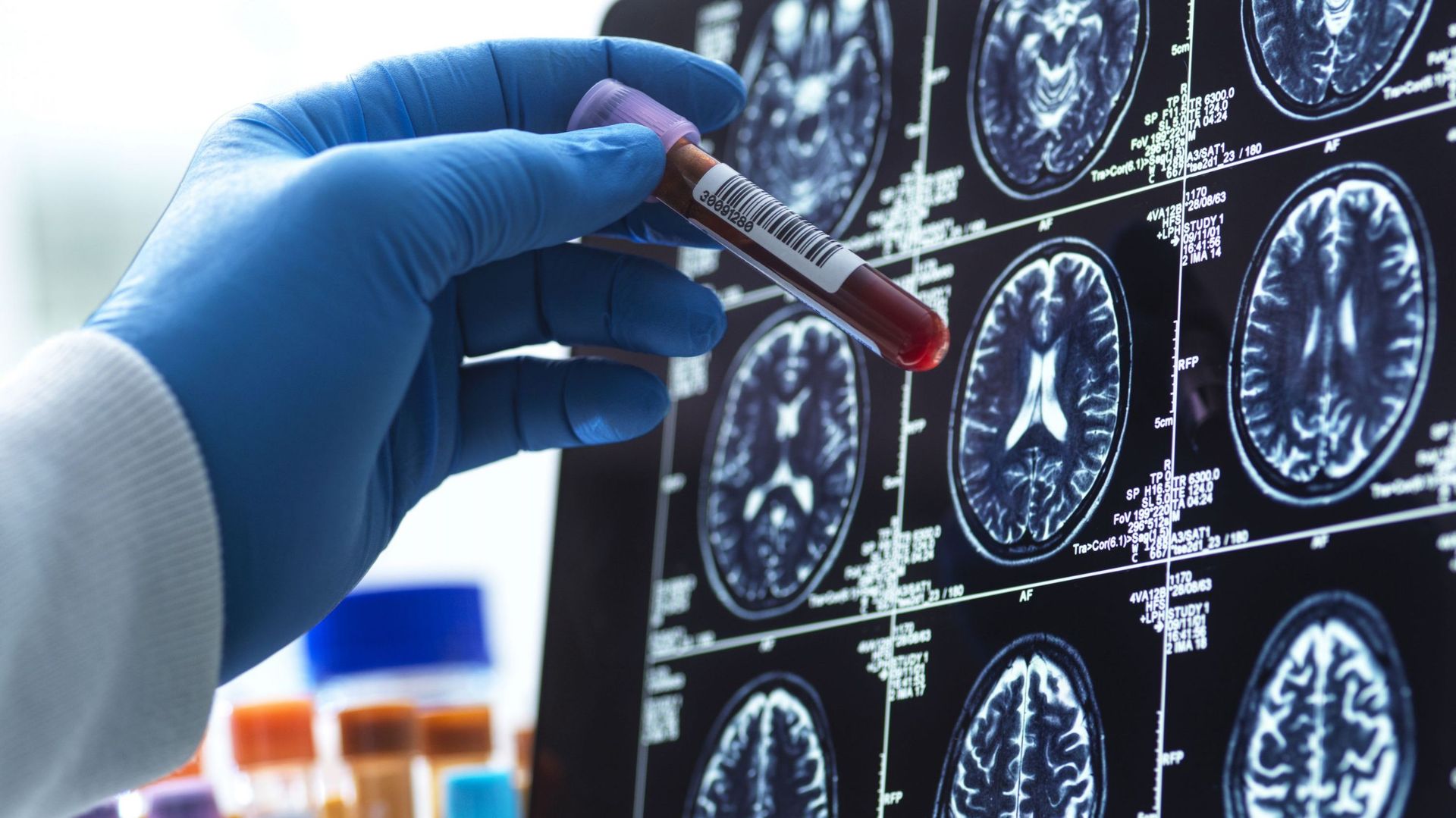
Brussels, Belgium – A surge in funding and promising research initiatives are positioning Belgium at the forefront of the fight against Alzheimer’s disease. With a growing global burden of this debilitating condition, the country’s commitment to innovative research offers a beacon of hope for patients and their families. Recent investments, totaling millions of euros, are fueling projects aimed at understanding the complexities of Alzheimer’s and developing novel approaches to prevention, treatment and care. This commitment is particularly vital as current treatments offer limited efficacy and accessibility, impacting only a minority of those affected.
Alzheimer’s disease currently affects over 220,000 people in Belgium, a number projected to rise with an aging population. Although medical research continues to advance, including the recent approval of a new medication by the European Medicines Agency, the demand for comprehensive solutions remains critical. Researchers and advocates emphasize the importance of non-pharmacological interventions and improved quality of life for those already living with the disease and their caregivers. The focus is shifting towards holistic care and understanding the psychosocial aspects of Alzheimer’s, alongside the pursuit of disease-modifying therapies.
Record Investment in Alzheimer’s Research
The Fondation Stop Alzheimer recently announced a record investment of over €5.05 million in 23 research projects, including several led by teams at Belgian universities. This substantial funding underscores the growing recognition of Alzheimer’s as a major public health challenge and the need for sustained research efforts. The projects span a range of disciplines, from molecular biology to psychology, reflecting the multifaceted nature of the disease. A significant portion of the funding, €100,051, was awarded to a project at the University of Mons (UMons) led by Professor Laurent Lefebvre, focusing on reducing behavioral disturbances in patients with moderate to severe Alzheimer’s disease. Stop Alzheimer highlights the importance of supporting scientific research to prevent, treat, and cure Alzheimer’s and related illnesses.
Unlocking the Role of cPLA2-IVA at UMons
Research at UMons has been pivotal in identifying key biological mechanisms underlying Alzheimer’s disease. In 2013, researchers Séverine André and Laurence Ris, along with their team, identified cytosolic phospholipase A2 (cPLA2-IVA) as an enzyme playing a crucial role in the development of the disease. As reported by Revue de Presse, the team subsequently developed a molecule aimed at modulating the activity of this enzyme. Current research, led by Professor Carmen Burtea, is focused on demonstrating the molecule’s ability to effectively modulate the cPLA2-IVA protein. This work represents a promising avenue for developing targeted therapies that could slow or halt the progression of Alzheimer’s. The team’s research has shown that the experimental molecule can reduce amyloid plaques and Tau protein aggregates in mice, with positive effects on cognitive abilities.
Improving Cognitive Testing at the University of Liège
Beyond the molecular level, researchers are also working to improve diagnostic tools and care strategies. At the University of Liège, Jérémy Gardette, a researcher in psychology, is developing improved cognitive tests to better target the dysfunctions in the brain regions first affected by Alzheimer’s disease. Early and accurate diagnosis is crucial for effective intervention and management of the disease. By refining cognitive assessments, researchers aim to identify subtle changes in cognitive function that may indicate the early stages of Alzheimer’s, allowing for timely access to care and support.
A Multi-University Approach to Alzheimer’s Research
The Fondation Stop Alzheimer’s funding extends beyond UMons and the University of Liège, supporting projects at the Université Libre de Bruxelles (ULB) and the Université Catholique de Louvain (UCLouvain). This collaborative, multi-university approach fosters synergy and accelerates the pace of discovery. The projects encompass a wide range of research areas, including the development of new biomarkers for early detection, the investigation of genetic risk factors, and the evaluation of innovative care models. The involvement of four francophone universities demonstrates a strong commitment to collaborative research within Belgium.
The AECEL Tool: Analyzing Language and Emotions
The project led by Professor Lefebvre at UMons is particularly innovative in its approach to addressing behavioral disturbances. The team is developing a tool called AECEL, based on artificial intelligence, capable of analyzing the spontaneous language of patients in different emotional contexts. According to Stop Alzheimer, this tool aims to better understand the residual cognitive abilities of patients and the impact of emotions on their expression. By understanding how emotions influence communication, researchers hope to develop strategies to reduce agitation, aggression, and confusion, improving the quality of life for both patients and caregivers.
The Broader Impact of Alzheimer’s Research
The advancements in Alzheimer’s research in Belgium have implications far beyond the country’s borders. The findings from these studies contribute to the global body of knowledge on Alzheimer’s disease, informing research efforts worldwide. The development of new diagnostic tools and therapies could benefit patients globally. The Belgian government’s commitment to funding research, coupled with the dedication of researchers at leading universities, positions the country as a key player in the global fight against Alzheimer’s disease.
Key Takeaways
- Belgium is investing significantly in Alzheimer’s research, with over €5.05 million recently allocated to 23 projects.
- Researchers at UMons have identified the cPLA2-IVA enzyme as a key player in Alzheimer’s development and are working on a molecule to modulate its activity.
- The University of Liège is developing improved cognitive tests for earlier and more accurate diagnosis.
- A collaborative, multi-university approach is fostering innovation and accelerating the pace of discovery.
- Innovative tools like AECEL are being developed to better understand and address behavioral disturbances in Alzheimer’s patients.
Looking ahead, the focus will remain on translating research findings into tangible benefits for patients and their families. The Fondation Stop Alzheimer will continue to play a vital role in supporting research and advocating for improved care. The next major update from the Fondation is expected in late 2026, when preliminary results from the funded projects will be presented at a national conference. We encourage readers to share their thoughts and experiences with Alzheimer’s disease in the comments below and to support organizations dedicated to fighting this devastating illness.
Related reading