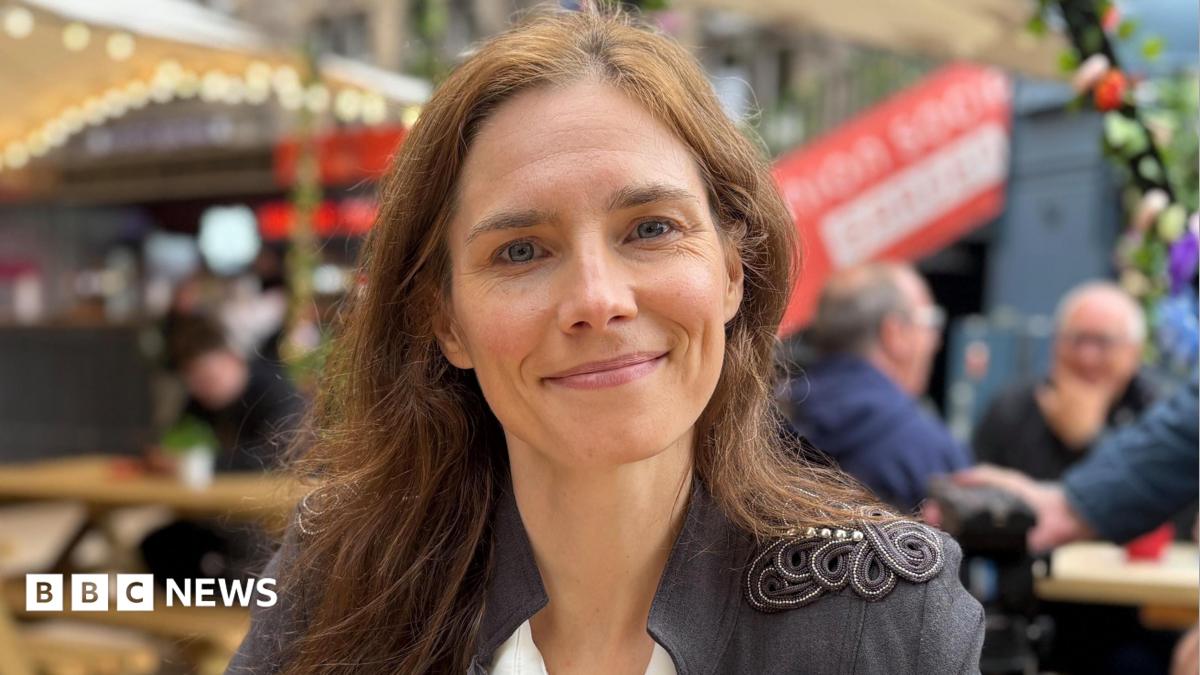
Amanda Knox has defended a newly scheduled comedy production appearing at the Edinburgh Festival Fringe, pushing back against public criticism that the stage show trivializes the tragic death of British student Meredith Kercher. Knox, who was wrongfully convicted and later definitively acquitted of the 2007 murder in Perugia, Italy, stated publicly that the performance does not minimize the seriousness of the crime or mock the victim.
The controversy centers on a satirical theatrical production titled A Knox Job, which explores media sensationalism, public obsession with true crime, and the intense global scrutiny surrounding high-profile legal trials. Critics and online commentators raised concerns ahead of its fringe run, arguing that using elements of a real-life murder case for dark comedic or satirical performance crosses ethical boundaries and risks disrespecting the memory of Meredith Kercher.
Responding to the backlash, Knox emphasized through representatives and public statements that the satirical work targets media framing and the absurdities of modern true-crime culture rather than mocking a tragedy. According to reports from major news outlets including the BBC, Knox maintained that discussing and staging commentary about how media organizations package and market criminal investigations remains an important cultural exercise, provided it does not downplay the genuine human loss involved.
Understanding the Controversy Surrounding the Edinburgh Fringe Show
The Edinburgh Festival Fringe regularly features provocative, experimental, and dark comedic acts that test societal boundaries. However, true-crime satire frequently sparks intense debate among audiences and advocacy groups. Critics of A Knox Job argued that adapting elements of a high-profile murder trial into a fringe comedy format is insensitive to the Kercher family and revives painful memories of the intense international media circus that followed the events in Italy.
Supporters and producers of the show, meanwhile, have defended the project as a form of social critique aimed at the entertainment industry’s appetite for sensationalized crime stories. The production reportedly examines the pressure placed on individuals thrust into the global spotlight by circumstances beyond their control. Publicists and creators noted that the satire is directed squarely at tabloid culture and public voyeurism rather than the victims of violent crime.
The legal history underpinning the public debate remains complex. Knox spent nearly four years in an Italian prison following her initial 2009 conviction before an appeals court overturned the verdict in 2011. Italy’s supreme court eventually quashed her conviction permanently in 2015, following a ruling by the European Court of Human Rights that found procedural violations during her initial interrogation. Since her exoneration, Knox has worked as a writer, advocate for the wrongly accused, and public speaker, frequently addressing the lasting impacts of wrongful imprisonment and media intrusion.
The Broader Impact of True-Crime Satire on Public Discourse
The debate over the Edinburgh Fringe show highlights a wider cultural friction regarding how society consumes true-crime narratives. Entertainment platforms across streaming services, podcasts, and theater increasingly rely on real-world legal tragedies for content, drawing both massive audiences and sharp ethical criticism. Media ethicists and cultural analysts note that while satire can effectively challenge institutional failures, balancing sharp critique with respect for victims remains a persistent challenge for creators.
Festival organizers in Edinburgh have not announced any cancellation plans for the production, maintaining that artistic expression within legal boundaries remains a core pillar of the annual arts festival. Public discussions and panels surrounding media ethics, the responsibilities of true-crime storytellers, and the psychological toll on exonerated individuals are expected to accompany the festival’s run.
As festival previews continue and ticket sales proceed, public scrutiny of the production remains high. Observers and stakeholders anticipate further commentary from cultural critics and legal advocates as the show opens its scheduled performances in Scotland.
Keep reading