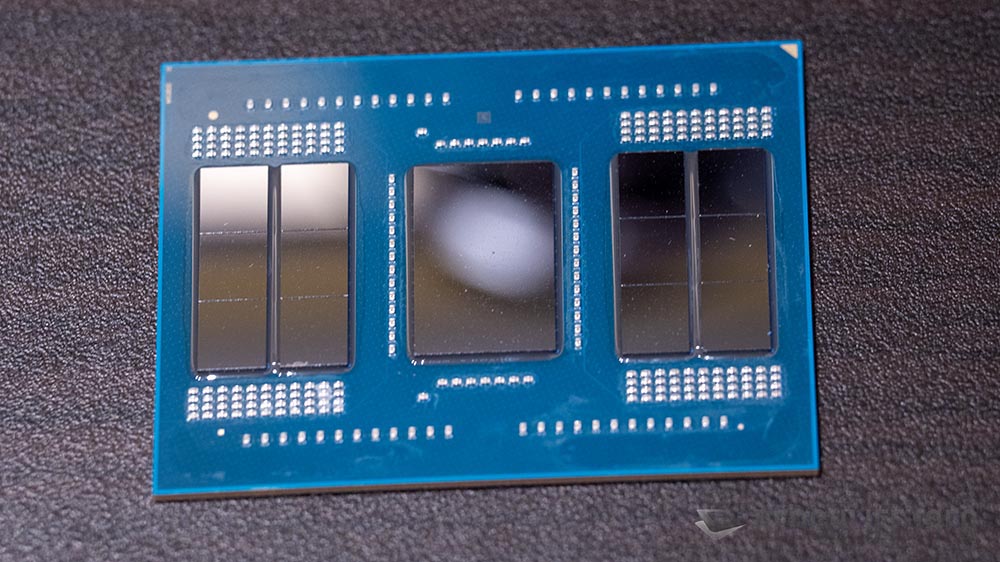
AMD is reportedly developing its next-generation Zen 6 architecture with a pivot toward artificial intelligence and high-speed data connectivity. Leaked technical specifications suggest the upcoming “Mustang Peak” Threadripper processors will support the PCIe 6.0 standard, while the “Olympic Ridge” consumer Ryzen lineup may swap integrated graphics for dedicated Neural Processing Units (NPUs) to handle growing AI workloads.
While AMD has not officially confirmed these hardware specifications, emerging reports from industry insiders indicate a significant shift in how the company allocates silicon real estate. The move suggests a transition from general-purpose computing and basic graphics acceleration toward specialized AI processing and massive bandwidth for professional workstations.
Will the next-generation Threadripper support PCIe 6.0?
The “Mustang Peak” codename, associated with AMD’s high-end desktop and workstation Threadripper line, is linked to the implementation of PCIe 6.0. This transition would represent a massive leap in data transfer capabilities for professional users, such as data scientists, video editors, and engineers.
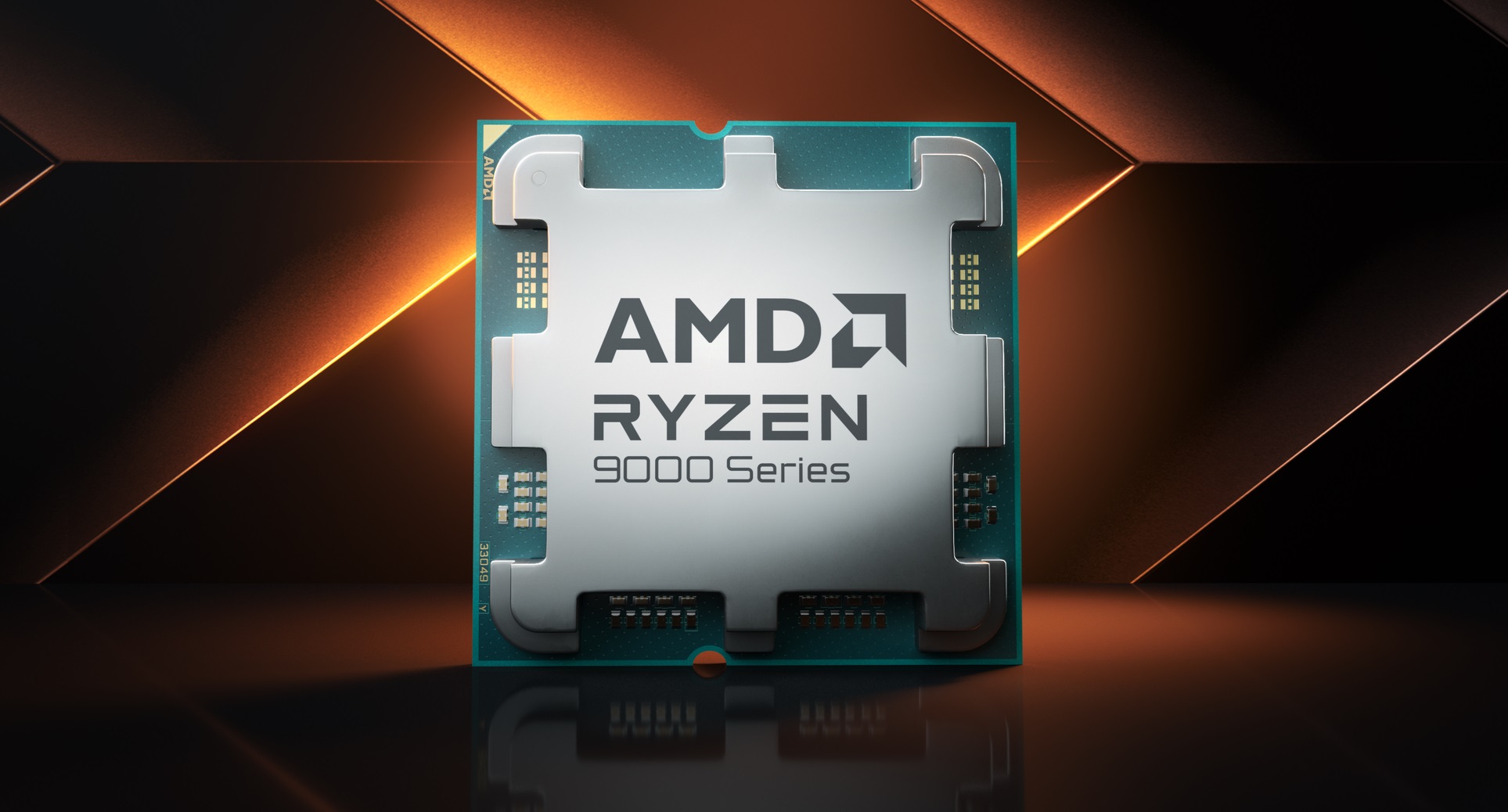
PCIe 6.0 utilizes Pulse Amplitude Modulation 4-level (PAM4) signaling to double the bandwidth of the current PCIe 5.0 standard. This technology allows for much higher data rates within the same number of lanes, which is critical for high-performance computing (HPC) environments. For workstation users, this means faster communication between the CPU and high-speed NVMe storage, advanced AI accelerators, and next-generation networking hardware.
As data-intensive tasks like large language model (LLM) training and real-time 3D rendering become more common, the bottleneck often shifts from the processor’s raw speed to the speed at which it can move data. By integrating PCIe 6.0 into the Mustang Peak architecture, AMD aims to provide a platform that can sustain the extreme throughput required by modern enterprise-grade hardware.
Why is AMD reportedly replacing integrated graphics with NPUs?
One of the most significant changes rumored for the “Olympic Ridge” Zen 6 consumer processors is the removal of the integrated GPU (iGPU). According to industry reports, AMD may repurpose the silicon area previously dedicated to basic graphics to instead house a powerful Neural Processing Unit (NPU).
This design choice reflects a broader industry trend toward the “AI PC.” As operating systems and software applications increasingly integrate local AI features—such as background noise cancellation, real-time video effects, and local generative AI assistants—the demand for dedicated AI silicon has surged. An NPU is specifically designed to handle these low-power, high-frequency mathematical operations more efficiently than a traditional CPU or a general-purpose GPU.
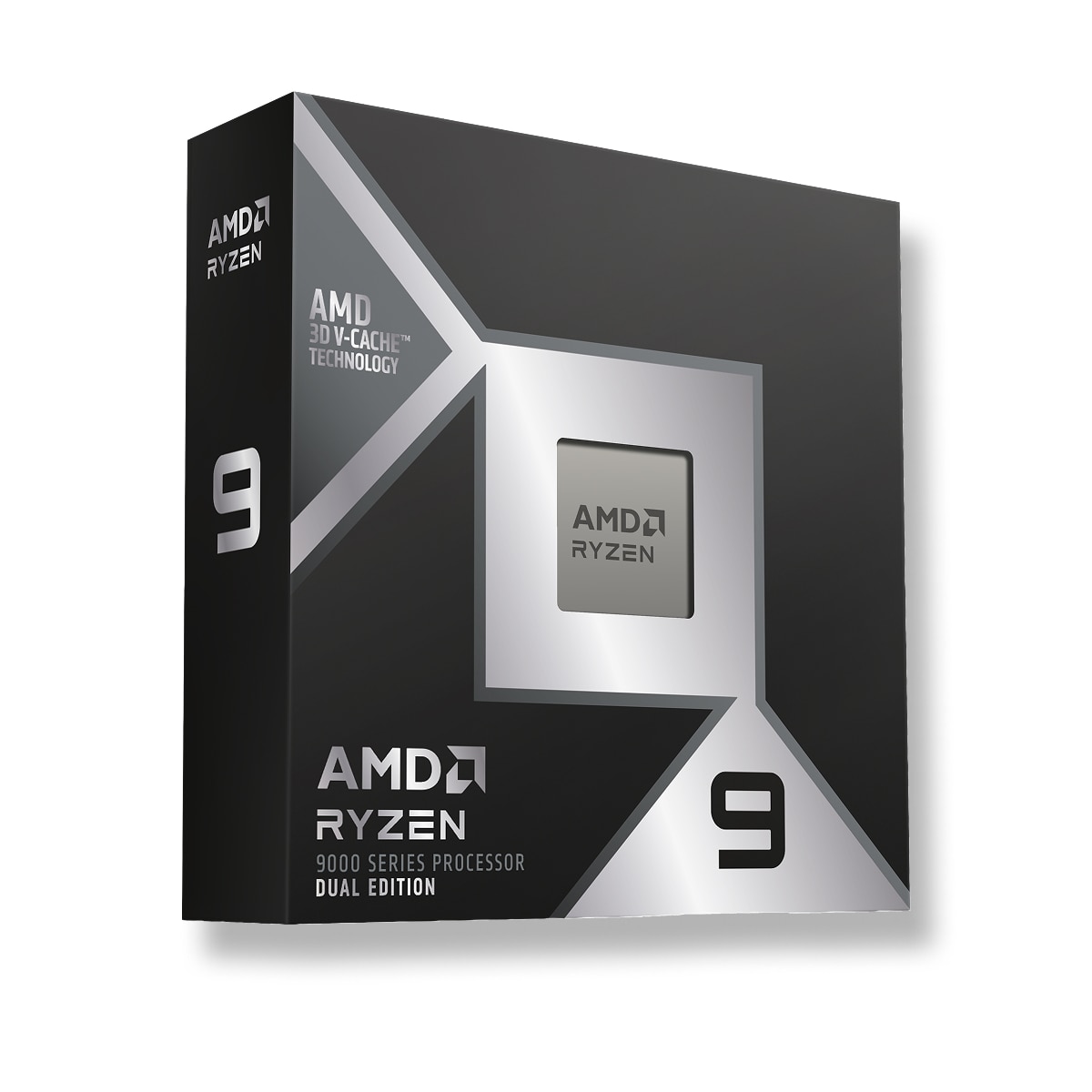
The trade-off for consumers would be the loss of basic onboard video capabilities. Users would likely need to rely on a discrete graphics card (dGPU) for any display output or gaming tasks. However, for the growing market of AI-driven productivity, a dedicated NPU could provide a significant advantage in efficiency and performance for background AI tasks, preventing them from taxing the primary CPU cores.
This strategy aligns with recent moves by competitors in the semiconductor space, who are also prioritizing dedicated AI silicon to meet the requirements of Windows Copilot+ PCs and other AI-native software environments.
What role does CUDIMM memory play in Zen 6 performance?
To support the higher clock speeds and data throughput expected from the Zen 6 architecture, reports indicate that AMD may introduce support for CUDIMM (Clocked Unbuffered Dual In-line Memory Module) technology. This is a new evolution of the DDR5 memory standard designed to push frequency limits even further.
Standard DDR5 modules rely on the motherboard to manage signal integrity, which can become a limitation as speeds exceed certain thresholds. CUDIMM addresses this by integrating a dedicated clock driver directly onto the memory module itself. This allows for more stable and precise clock signals, enabling much higher memory frequencies than previously possible with standard unbuffered DIMMs.
For Zen 6 users, CUDIMM support could mean significantly improved memory bandwidth. This is particularly important for both consumer gaming and professional workloads, where memory latency and bandwidth often dictate the “floor” of system performance. The integration of CUDIMM would likely be a necessary step to prevent the memory subsystem from becoming a bottleneck for the high-speed Zen 6 cores and the new NPU.
The following table summarizes the rumored shifts in AMD’s hardware strategy based on current technical reports:
| Feature Component | Current/Previous Standard (Zen 4/5) | Rumored Zen 6 Specification | Primary Benefit |
|---|---|---|---|
| Workstation Interface | PCIe 5.0 | PCIe 6.0 (Mustang Peak) | Doubled data bandwidth for storage and accelerators. |
| On-Chip AI Hardware | Limited/Software-based | Dedicated NPU (Olympic Ridge) | Efficient local execution of AI workloads. |
| Integrated Graphics | Standard iGPU included | Potentially removed | Reallocates silicon for AI acceleration. |
| Memory Standard | Standard DDR5 | CUDIMM Support | Higher stable memory frequencies and bandwidth. |
Who is affected by these architectural changes?
The impact of these changes varies significantly between the consumer and professional segments of the market.

Professional Workstation Users: For those using Threadripper systems, the move to PCIe 6.0 is almost entirely positive. It provides the headroom necessary for the next decade of hardware expansion, particularly as high-speed networking and storage continue to evolve. These users typically already utilize discrete GPUs, so the focus remains on raw throughput and scalability.
Consumer and Gaming Users: The “Olympic Ridge” changes may be more controversial. Gamers and budget-conscious users who rely on integrated graphics for basic tasks or secondary displays may find the removal of the iGPU a significant drawback. However, for users moving toward dedicated AI-driven workflows, the inclusion of an NPU could offer a more seamless experience for modern software applications.
System Builders and OEMs: Manufacturers will need to adapt to new memory standards like CUDIMM and potentially redesign motherboard layouts to accommodate the specific power and signal requirements of these new components. The shift to PCIe 6.0 will also require new chipset architectures and improved power delivery systems on high-end motherboards.
AMD is expected to provide more clarity on its Zen 6 roadmap during upcoming industry events, such as Computex or major CES announcements. Until then, these specifications remain unconfirmed rumors based on technical leaks and industry analysis.
What are your thoughts on AMD potentially removing the integrated GPU in favor of an NPU? Let us know in the comments below and share this article with your tech community.
Keep reading