
American Airlines and Google have entered into a strategic partnership focused on sustainable aviation fuel (SAF) certificates, marking a significant step in the corporate effort to reduce the aviation industry’s carbon footprint. Under the agreement, Google will purchase SAF certificates to cover the emissions associated with its employees’ business travel on American Airlines flights, providing a financial mechanism to support the production and adoption of lower-carbon fuel alternatives.
This collaboration utilizes the World Economic Forum’s framework for SAF certificates, which allows companies to claim the environmental benefits of sustainable fuel even when that fuel is not physically used on their specific flights. By decoupling the environmental attribute from the physical fuel, the model aims to scale the market for SAF—a fuel typically made from renewable feedstocks like waste oils and agricultural residues—which currently remains significantly more expensive and less available than traditional jet fuel, according to the International Energy Agency (IEA).
How the SAF Certificate Model Functions
The partnership relies on a “book-and-claim” accounting system. Because sustainable aviation fuel is often produced at refineries far from the airports where it is consumed, the logistics of physically delivering SAF to every aircraft are complex. Through the purchase of these certificates, Google provides the necessary funding to bridge the price gap between conventional jet fuel and the more costly, low-carbon sustainable alternative.
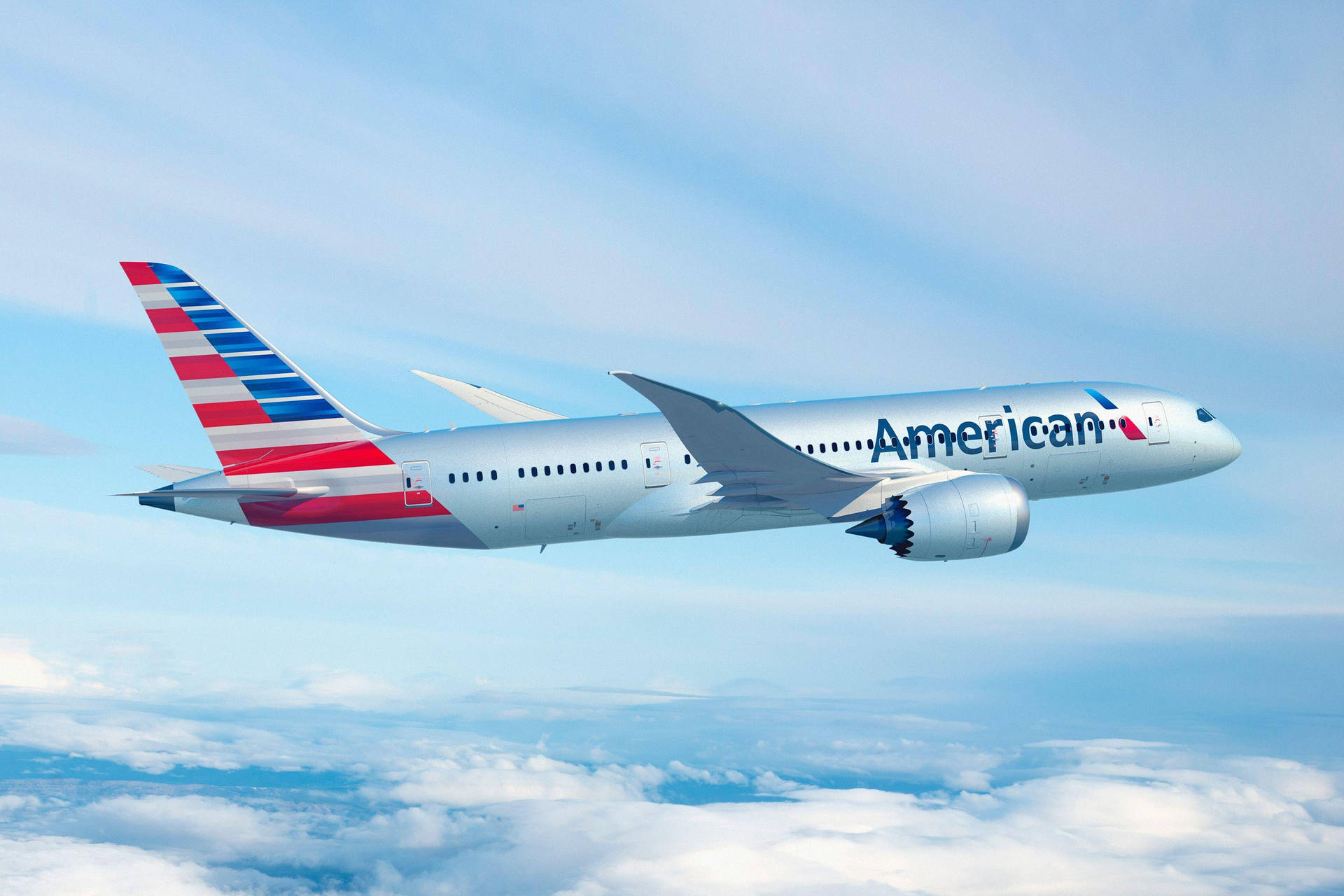
According to American Airlines’ sustainability disclosures, the airline facilitates the procurement of the fuel, which is then blended into the general fuel supply at major airports. The environmental credits are then verified and transferred to corporate partners like Google, allowing them to report a reduction in their Scope 3 emissions—the category covering indirect emissions from business travel. This approach is intended to incentivize fuel producers to increase output by guaranteeing demand from high-profile corporate buyers.
The Role of SAF in Aviation Decarbonization
Sustainable aviation fuel is widely considered the most viable near-term solution for decarbonizing long-haul flight, as current electric and hydrogen-powered aircraft technologies remain limited by battery energy density and infrastructure requirements. The International Air Transport Association (IATA) estimates that SAF could contribute to roughly 65% of the emissions reduction needed to reach net-zero aviation by 2050.

However, the sector faces a significant supply challenge. Currently, SAF accounts for less than 1% of total global jet fuel consumption. By entering into these long-term agreements, American Airlines and Google are attempting to provide the market signals required for fuel producers to invest in new refineries and supply chains. The partnership aligns with broader industry goals to transition away from fossil-based kerosene, though critics of the book-and-claim system, such as some environmental advocacy groups, have questioned the transparency of carbon accounting in international aviation markets.
Corporate Travel and Scope 3 Emission Reductions
For Google, the agreement is part of a broader commitment to achieve net-zero emissions across its operations and value chain by 2030. Business travel represents a substantial portion of the corporate carbon footprint for technology firms with global workforces. By investing in SAF certificates, the company moves beyond traditional carbon offsets—which often involve reforestation or energy efficiency projects—toward direct investment in the energy transition of the aviation sector itself.
Industry analysts note that this trend of corporate involvement is becoming essential for airlines. With the Carbon Offsetting and Reduction Scheme for International Aviation (CORSIA) setting global standards for emission reporting, airlines are under increasing pressure to demonstrate measurable progress in decarbonization. The partnership between American Airlines and Google serves as a case study for how large-scale enterprise users can influence the environmental performance of their service providers.
Future Outlook and Regulatory Frameworks
The success of the American Airlines and Google agreement may influence how other corporations approach their travel policies and sustainability reporting. As regulatory bodies in the United States and the European Union continue to refine policies regarding greenwashing and mandatory climate disclosure, the use of verified SAF certificates will likely require increasingly rigorous third-party auditing to maintain credibility with investors and consumers.

The next phase for this initiative involves expanding the availability of SAF at more airports across the American Airlines network. The airline has stated that it intends to continue scaling its procurement programs as the global supply of sustainable fuel increases. Readers interested in the progress of these initiatives can monitor the U.S. Securities and Exchange Commission (SEC) filings for American Airlines for future updates on sustainability targets and operational investments. Please share your thoughts on the role of corporate travel in the energy transition in the comments section below.
Worth a look