
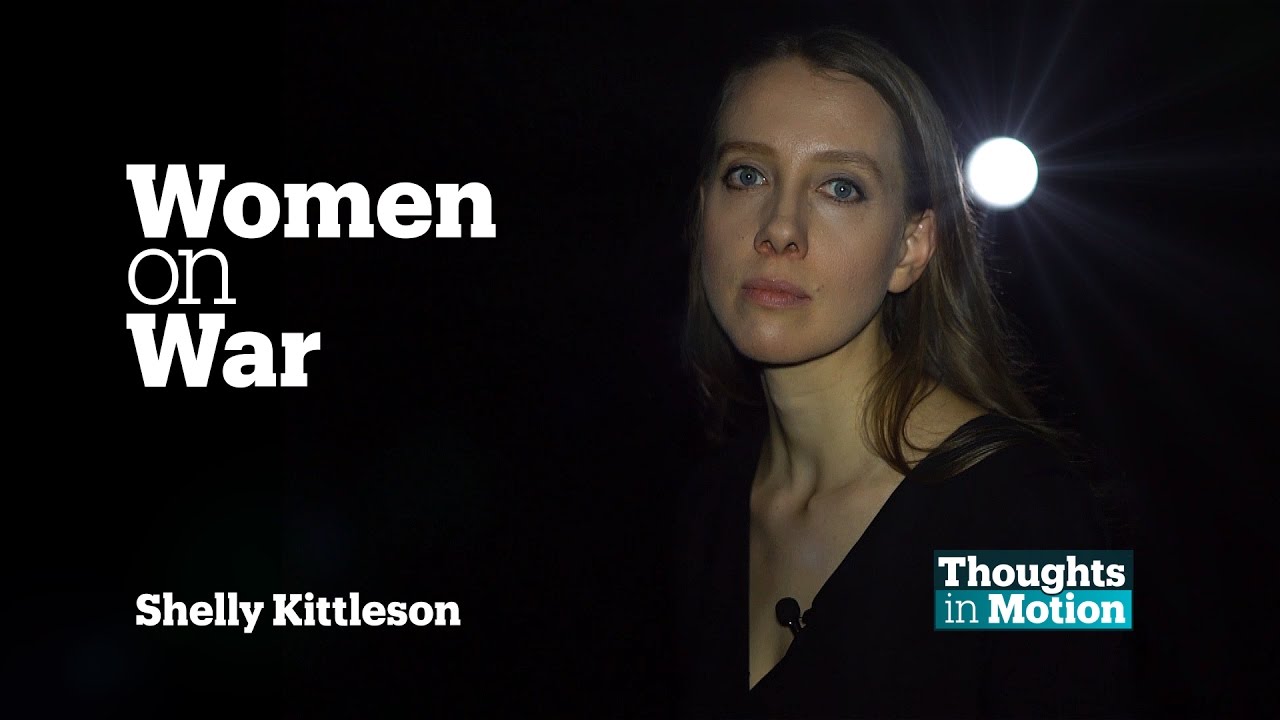
An American journalist has been freed after being held captive for one week in Iraq, marking the end of a tense standoff involving an Iranian-backed militia and the U.S. Government. Shelly Kittleson, a freelance reporter with years of experience covering conflict zones in Iraq and Syria, was released on Tuesday, April 7, 2026, following her abduction in Baghdad after being kidnapped from a street corner.
The release was orchestrated under specific conditions set by the captors, the Iranian-backed militia known as Kata’ib Hezbollah. A spokesperson for the group stated that Kittleson was freed on the mandatory condition that she leave Iraq immediately. U.S. Secretary of State Marco Rubio confirmed the development, stating that the government is currently working to support her safe departure from the country following her release on April 7.
The incident has highlighted the precarious security environment for international media operating in the region. Multiple sources indicated that Kittleson’s name had been placed on a specific list of American journalists targeted for kidnapping by Kata’ib Hezbollah, suggesting the abduction was a premeditated act rather than a random crime of opportunity.
The resolution of this crisis involved a complex coordination of diplomatic and intelligence efforts, involving the FBI, the Department of Defense, and the Iraqi Supreme Judicial Council. The operation underscores the high-stakes nature of hostage negotiations involving non-state actors with ties to foreign powers.
The Abduction on Saadoun Street
The crisis began on Tuesday, March 31, 2026, when Shelly Kittleson was abducted in central Baghdad on the corner of Saadoun Street. Video footage of the event showed two men approaching Kittleson as she stood on the street corner, ushering her into the back of a vehicle. The footage captured a brief struggle to shut the car door before the vehicle drove away from the scene.
Kittleson is a seasoned freelance journalist who has spent years reporting from within Iraq and Syria, often pursuing low-budget, high-risk assignments to provide a deeper look at the region’s instability. Her familiarity with the terrain did not protect her from the targeted nature of this operation, as she had been specifically identified by the militia for abduction.
During her captivity, the militia released an undated video of Kittleson to signal their control over her. In the two-and-a-half-minute clip, she is seen speaking directly to the camera while wearing a pink sweater and a green blazer. The exact location where the video was recorded was not disclosed, though Iraqi officials later confirmed she had been held within Baghdad prior to her release during her week-long detention.
The Terms of Release and the Prisoner Swap
The decision to release Kittleson was presented by Kata’ib Hezbollah as a gesture of appreciation for the “patriotic stances” of the outgoing Iraqi Prime Minister, Mohammed Shia al-Sudani as stated in the group’s announcement on April 7. However, the militia was explicit in its warning that this “initiative will not be repeated in the future,” framing the release as a one-off event rather than a change in policy toward American journalists.
While the public narrative focused on the Prime Minister’s influence, internal details suggest a more transactional arrangement. Two militia officials, speaking on condition of anonymity, revealed that the release of the American journalist was contingent upon a prisoner swap. Specifically, Iraqi authorities agreed to free several detained members of Kata’ib Hezbollah in exchange for Kittleson’s freedom as reported by sources familiar with the negotiations.
This exchange highlights the leverage that Iran-backed militias hold within the Iraqi security apparatus and their ability to negotiate the release of their operatives through the abduction of foreign nationals. The requirement for Kittleson to exit Iraq immediately serves both as a condition for her safety and a method for the militia to ensure no immediate legal or military retaliation occurs while their members are being released.
U.S. Government Intervention and the Hostage Recovery Fusion Cell
The recovery of Shelly Kittleson was a multi-agency effort led by the U.S. Government. Secretary of State Marco Rubio expressed relief at her freedom and thanked the FBI, the Department of Defense, and the Iraqi Supreme Judicial Council for their assistance in securing her release. The operation required delicate coordination between U.S. Personnel across multiple federal agencies and their Iraqi partners.
A central component of the recovery effort was the FBI’s Hostage Recovery Fusion Cell. FBI Director Kash Patel described the agency’s efforts as “relentless,” noting that the Fusion Cell worked in tandem with the State Department and the “Department of War”—a term Patel used in his statement, which is the preferred designation for the Department of Defense under the current Trump administration as confirmed in his official statement.
The Hostage Recovery Fusion Cell is designed to centralize intelligence and operational capabilities to locate and recover Americans held captive abroad. In this instance, the cell’s ability to coordinate with the Iraqi government was critical, as the captors were a powerful militia with significant influence over local security and political dynamics in Baghdad.
Key Details of the Incident
| Event | Date/Detail | Location/Entity |
|---|---|---|
| Abduction Date | March 31, 2026 | Saadoun Street, Baghdad |
| Release Date | April 7, 2026 | Baghdad, Iraq |
| Capturing Entity | Kata’ib Hezbollah | Iran-backed militia |
| Primary Condition | Immediate departure from Iraq | U.S. Journalist |
| Exchange Terms | Release of detained militia members | Iraqi Authorities |
The Risks Facing Journalists in Iraq
The targeting of Shelly Kittleson is a stark reminder of the dangers faced by freelance journalists in conflict-prone regions. Unlike staff reporters for major networks, freelancers often operate with fewer security resources and less institutional support, making them more vulnerable to abduction. Kittleson’s reputation for pursuing “gutsy” assignments in Iraq and Syria likely made her a high-profile target for groups seeking to exert political pressure on the United States.
The fact that her name appeared on a target list indicates a systematic approach by Kata’ib Hezbollah to monitor and identify American media personnel. This strategy allows militias to use journalists as political pawns, utilizing them as leverage for prisoner releases or to signal their influence to the Iraqi government and the international community.
For the global journalistic community, this incident underscores the necessity of rigorous security protocols and the importance of the Hostage Recovery Fusion Cell’s capabilities. The intersection of geopolitical rivalry—specifically the influence of Iran in Iraq—and the safety of press members creates a volatile environment where the line between reporting and becoming a target is dangerously thin.
The next confirmed checkpoint in this matter is the confirmed departure of Shelly Kittleson from Iraqi territory. U.S. Officials are currently coordinating her safe transit out of the country to ensure she is not intercepted before reaching safety.
World Today Journal encourages readers to share this report and leave their comments below regarding the safety of international journalists in conflict zones.