In a harrowing testament to the human cost of war, Gaza writer and translation student Amira Attiya shares her family’s story in the latest episode of PalCast, titled “My Brother Was Food For Wild Dogs.” The 25-minute conversation, released on April 22, 2026, offers a rare, unfiltered glimpse into the personal devastation wrought by decades of conflict in the Palestinian territory. Attiya’s account—of losing three siblings and her father, enduring 12 forced displacements, and living in a tent for two years—challenges the world to look beyond statistics and confront the individual lives shattered by violence.
The episode, which carries a content warning for its graphic descriptions, has resonated globally since its release. Available on Apple Podcasts and Spotify, has sparked renewed discussions about the long-term psychological and social toll of the Gaza conflict, particularly on women and children. Attiya’s resilience—she is set to graduate with a degree in translation and has received five offers to study abroad—has also drawn attention to the often-overlooked stories of perseverance amid despair.
A Family Torn Apart: The Human Cost of War
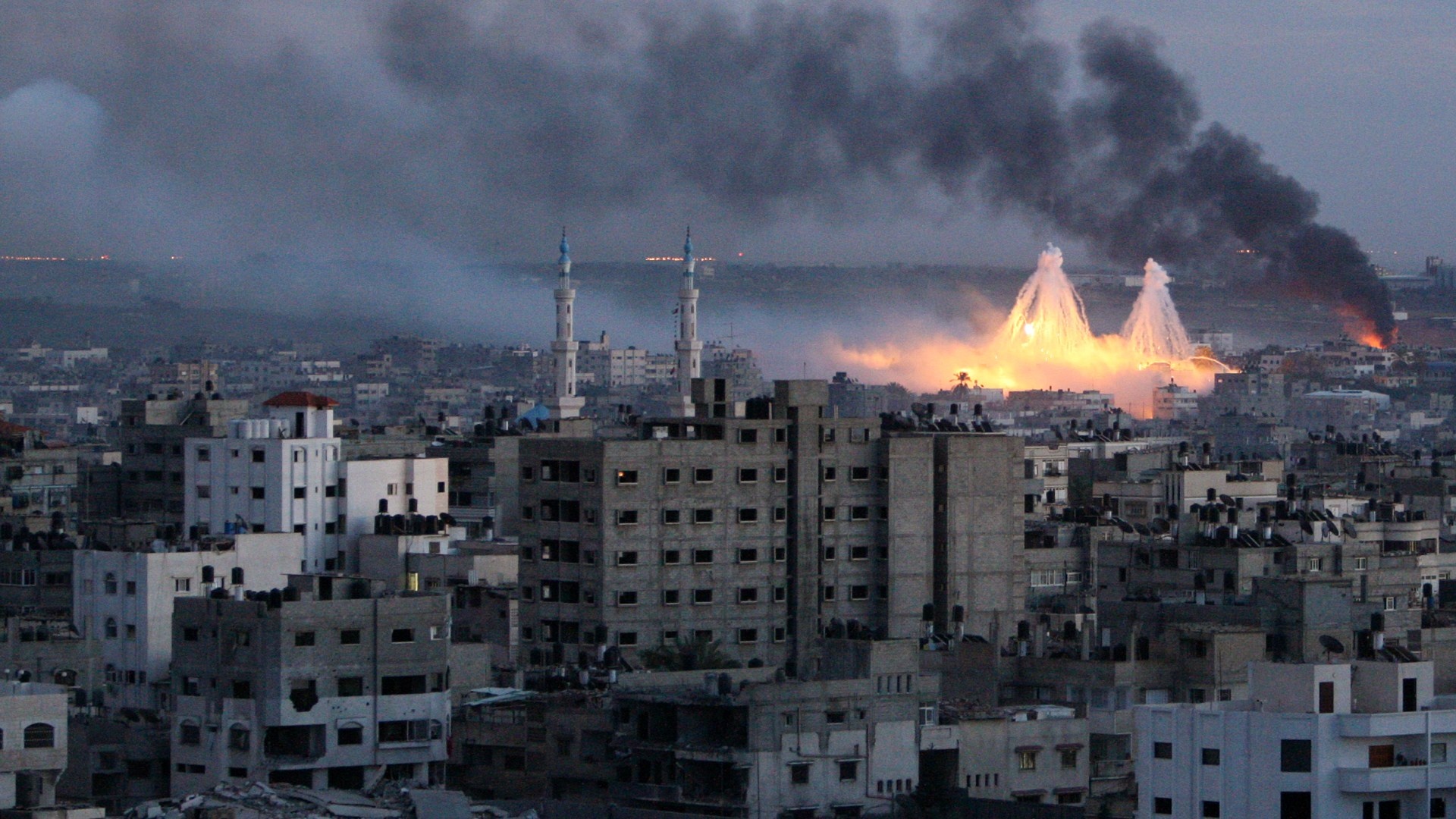
Attiya’s testimony begins with the loss of her siblings, each under different circumstances. One brother, she recounts, was kidnapped and killed, his body later discovered in a state that suggested it had been attacked by wild dogs. The episode does not specify the exact timeline of these events, but Attiya’s description aligns with broader reports of civilian casualties and disappearances in Gaza during periods of escalated conflict. The use of white phosphorus—a chemical weapon known for its horrific burns—on her father during the 2008–2009 Cast Lead operation is also documented in human rights reports, including those by Amnesty International and Human Rights Watch.
The psychological impact of such losses is immeasurable, yet Attiya’s story is not unique. According to the United Nations Relief and Works Agency for Palestine Refugees (UNRWA), over 1.7 million people in Gaza—nearly 80% of the population—are registered refugees, many of whom have been displaced multiple times. Attiya’s experience of being uprooted 12 times in recent years reflects a pattern of repeated trauma that has develop into a defining feature of life in the territory.
Displacement and Survival: Life in a Tent for Two Years
For the past two years, Attiya has lived in a tent, a reality shared by hundreds of thousands of Gazans. The United Nations Office for the Coordination of Humanitarian Affairs (OCHA) reports that as of early 2026, nearly 60% of Gaza’s population remains displaced, with many living in overcrowded shelters or makeshift tents. The conditions are dire: limited access to clean water, inadequate sanitation, and frequent power outages have created a public health crisis. Yet, despite these hardships, Attiya has continued her education, a testament to the resilience of Gaza’s youth.
Her determination to complete her degree in translation is not just a personal achievement but a symbol of hope for many in Gaza. Education has long been a cornerstone of Palestinian resilience, with literacy rates in the territory among the highest in the Arab world. However, the ongoing conflict has disrupted schooling for generations. The United Nations Children’s Fund (UNICEF) estimates that over 625,000 children in Gaza require mental health and psychosocial support due to the trauma of war, displacement, and loss.
From Gaza to the World: Five Offers to Study Abroad
Attiya’s academic perseverance has paid off in unexpected ways. She has received five offers to study abroad, a rare opportunity for a Gazan student. The challenges of leaving Gaza—including the blockade, restricted movement, and bureaucratic hurdles—make such opportunities exceedingly tricky to secure. Yet, her story highlights the global solidarity movements that have emerged in support of Palestinian students. Organizations like Scholars at Risk and The Institute for Palestine Studies have worked to provide scholarships and safe passage for students like Attiya, recognizing education as a critical tool for rebuilding lives and communities.

Her decision to pursue further studies abroad is not just a personal milestone but a political act. By sharing her story, Attiya joins a growing chorus of Palestinian voices—writers, artists, and activists—who are using their platforms to document the realities of life under occupation. Her writing, including a recently published piece titled When I Return, has been described as a powerful blend of personal narrative and political commentary, offering readers a window into the daily struggles and small triumphs of life in Gaza.
The Broader Context: Gaza’s Unending Crisis
Attiya’s testimony arrives at a critical moment in Gaza’s history. The territory has been under blockade since 2007, a policy that has devastated its economy and left its infrastructure in ruins. The World Bank estimates that Gaza’s unemployment rate stands at over 50%, with youth unemployment exceeding 70%. The healthcare system, already strained by years of conflict, has been pushed to the brink by repeated military offensives and the ongoing blockade, which restricts the import of essential medical supplies.
The use of white phosphorus, as described in Attiya’s account of her father’s death, has been a recurring point of contention in Gaza. Human rights organizations have documented its use in multiple conflicts, including the 2008–2009 Cast Lead operation and the 2014 war. The chemical, which burns through skin and bone, has been condemned by the international community, though Israel has denied using it unlawfully. The United Nations Human Rights Council has repeatedly called for investigations into alleged war crimes in Gaza, including the use of such weapons.
Why This Story Matters
Attiya’s story is more than a personal tragedy; it is a microcosm of the broader Palestinian experience. Her account underscores the human cost of a conflict that has lasted for decades, displacing generations and leaving deep psychological scars. It also challenges the international community to confront uncomfortable questions about accountability, justice, and the long-term impact of war on civilians.
For readers, her testimony offers a rare opportunity to engage with the conflict on a human level. While headlines often focus on geopolitical developments or military strategies, Attiya’s story reminds us that behind every statistic is a person—a sibling, a parent, a student—with dreams, fears, and a desire for dignity. Her resilience in the face of unimaginable loss is a call to action, urging the world to listen, to bear witness, and to demand change.
How to Engage: Listening, Sharing, and Standing in Solidarity
The full episode of PalCast is available on Apple Podcasts and Spotify. Listeners are encouraged to share the episode and engage with Attiya’s story, amplifying voices that are often marginalized in mainstream discourse. For those looking to support Palestinian students and writers, organizations like The Palestine Children’s Relief Fund and The Institute for Palestine Studies offer avenues for donations and advocacy.
As the world continues to grapple with the ongoing crisis in Gaza, stories like Attiya’s serve as a reminder of the urgent need for a just and lasting resolution. The next steps remain uncertain, but one thing is clear: the voices of those who have lived through the conflict must be heard.
What are your thoughts on Amira Attiya’s story? How can the international community better support civilians affected by conflict? Share your comments below and join the conversation.
Worth a look
- EU Holds Emergency Meeting After Mass Migration Crisis in Ceuta
- Malaria Mosquitoes Now Resistant to All Insecticides: Scientists Race for a Solution
- Rockwell Automation (ROK) Beats Quarterly Estimates Amid Strong Industrial Demand (newsdirectory3.com)
- Fire Emblem Fortune’s Weave: Story Leaks, Gameplay Details, and Switch 2 Release Date (world-today-news.com)