Brazilian Reality Star’s Defiance and Dispute Highlight Tensions in ‘Big Brother Brasil’
Lisbon, Portugal – The dynamics within the ‘Big Brother Brasil 26’ house continue to unfold with increasing complexity, as contestant Ana Paula Renault demonstrated a clear act of defiance against a recent challenge and became embroiled in a heated exchange with fellow housemate Jonas Sulzbach. The incident, occurring on February 25th, 2026, underscores the competitive and often confrontational atmosphere that defines the popular reality television program. Renault’s actions, coupled with a pointed alteration of a personal item, have ignited discussion among viewers and fellow contestants alike, revealing deeper fault lines within the group. The ongoing saga provides a fascinating case study in social dynamics under pressure, a hallmark of the ‘Big Brother’ franchise.
The controversy began when Renault received a directive related to a challenge within the house, a “Barrado do Baile” (Blocked from the Party) task. Rather than engaging with the challenge, she openly expressed her lack of enthusiasm, stating, “Precisa de ânimo, acho que seria ‘bom ânimo’, não (boa) ‘sorte’. Mas acho que eu vou dormir mesmo,” – translating to “It needs encouragement, I think it would be ‘good spirit,’ not (good) ‘luck.’ But I think I’m going to sleep anyway.” This dismissal of the task, as reported by Gshow, immediately signaled a disinterest in participating and a potential challenge to the established rules of engagement within the house. The ‘Barrado do Baile’ challenge, a recurring element in the Brazilian version of the show, typically requires contestants to demonstrate a certain level of motivation and participation, making Renault’s response particularly noteworthy.
A Symbolic Act of Disagreement
Following her rejection of the challenge, Renault took a further step, demonstrating her disapproval through a symbolic act. She reportedly altered a notebook, specifically targeting Jonas Sulzbach. According to reports, she “rasurou a capa do caderno, riscando o nome de Jonas e substituindo-o pelo apelido dado por ela,” – meaning she scratched out Sulzbach’s name on the cover and replaced it with a nickname. The nickname in question is “Quinta série,” which translates to “Fifth Grade.” Renault reportedly declared, “Quinta série! Ficou bom isso, pode falar. Tá legível?” – or “Fifth Grade! That looks good, you can say it. It’s legible?” This act, viewed by many as deliberately provocative, highlights a growing tension between the two contestants and introduces a potentially damaging label into the already charged environment of the ‘Big Brother’ house. The use of the term “Quinta série” is particularly significant, as it’s often used in Brazil to denote immaturity or a lack of sophistication.
The origins of the “Quinta série” nickname stem from earlier interactions within the house, where Renault and others perceived Sulzbach’s behavior as childish or lacking in nuance. According to a report from F5, Ana Paula Renault began referring to Jonas Sulzbach as “Quinta Série” due to his perceived immature behavior. This initial labeling laid the groundwork for Renault’s subsequent actions, demonstrating a pattern of using nicknames to categorize and potentially undermine her fellow contestants. The escalation of this dynamic underscores the psychological pressures inherent in the ‘Big Brother’ format, where contestants are constantly scrutinized and evaluated by both their peers and a national audience.
Recalling Past Defiance and a Pattern of Behavior
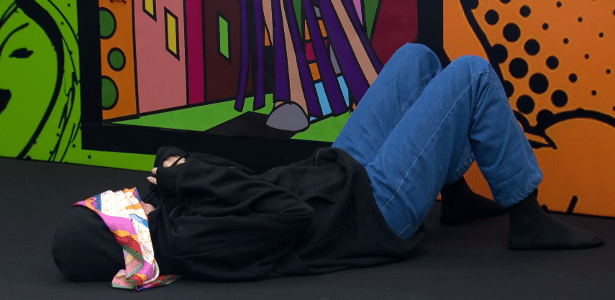
Renault’s decision to lie down on the floor and cover her face with a scarf following the notebook alteration is not an isolated incident. She previously exhibited similar behavior earlier in the month when she was barred from attending Maxiane’s party, as reported by UOL. This recurring pattern suggests a coping mechanism for dealing with perceived injustices or disappointments within the house. The act of physically withdrawing from the communal space, covering her face and effectively shutting down communication signals a deliberate attempt to disengage and create a sense of isolation. Psychologists specializing in reality television dynamics often observe similar behaviors in contestants facing stress or conflict, highlighting the emotional toll of prolonged confinement and constant surveillance.
The incident similarly sparked a broader discussion about the use of nicknames and their potential impact on interpersonal relationships within the house. Marciele, another contestant, defended Jonas Sulzbach and confronted Renault, criticizing her use of the “Quinta série” label. Marciele argued that using such a term diminishes a person’s capacity and is particularly insensitive given the challenges facing Brazil’s education system. As reported by Gshow, Marciele stated, “Ela diminui a capacidade [da pessoa] chamando o Jonas de quinta série. Eu acho que, no Brasil, onde a educação é escassa… meu pai estudou até a quinta série e é a pessoa mais honesta que eu conheço.” – translating to “She diminishes [the person’s] capacity by calling Jonas ‘fifth grade.’ I think that in Brazil, where education is scarce… my father studied until fifth grade and is the most honest person I know.” This intervention by Marciele underscores the ethical considerations surrounding the use of language and the potential for nicknames to perpetuate harmful stereotypes.
Escalating Tensions and the Role of Conflict
The confrontation between Marciele and Renault further escalated when Renault accused Marciele of hypocrisy, pointing out that she had previously used similar language. The exchange, described as heated and confrontational, involved accusations of diminishing others and a general lack of respect. Renault reportedly retorted, “Se eu sou planta amazônica, você é mosquito da dengue. Não vou escutar. Você está chamando de ‘quinta série’, eu não tenho problema nenhum. Agora vem querer diminuir a pessoa falando de ‘quinta série’, uso o mesmo argumento que tu,” – meaning “If I’m an Amazonian plant, you’re a dengue mosquito. I won’t listen. You’re calling him ‘fifth grade,’ I don’t have a problem with that. Now you come to diminish the person by talking about ‘fifth grade,’ I use the same argument as you.” This back-and-forth exchange highlights the complex web of alliances and rivalries that characterize the ‘Big Brother’ house, where contestants are constantly navigating shifting power dynamics and personal conflicts.
The use of colorful metaphors, such as “Amazonian plant” and “dengue mosquito,” further illustrates the intensity of the emotions at play. These comparisons, while seemingly lighthearted, serve as veiled insults and demonstrate a willingness to engage in verbal sparring. The dynamic between Renault and Marciele, and the broader conflict surrounding the “Quinta série” nickname, are likely to continue to unfold as the competition progresses, providing ample fodder for discussion and debate among viewers. The producers of ‘Big Brother Brasil’ often capitalize on these conflicts, recognizing that they generate viewership and engagement.
As of February 26th, 2026, the situation remains fluid, with no immediate resolution in sight. The ongoing drama serves as a reminder of the psychological pressures and social complexities inherent in the ‘Big Brother’ format. The next scheduled event in the competition is a nomination ceremony, where contestants will vote to eliminate one of their peers, potentially further exacerbating existing tensions and creating new alliances. Viewers can continue to follow the developments on Gshow, the official website of ‘Big Brother Brasil,’ and through various social media platforms. The unfolding narrative promises to deliver further intrigue and drama as the competition nears its conclusion.
What are your thoughts on Ana Paula Renault’s actions? Share your opinions in the comments below and be sure to share this article with fellow ‘Big Brother Brasil’ fans!