## ancient Bear Skull Reveals Brutal Reality of Roman Gladiatorial Games
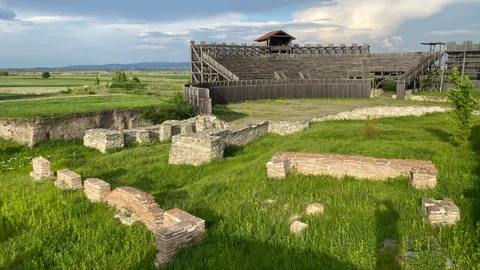
A remarkable discovery at the Viminacium Archaeological Park in Serbia is shedding new light on the grim fate of animals used in Roman gladiatorial spectacles. researchers have uncovered compelling evidence that brown bears were not simply participants, but endured years of captivity and brutal treatment for entertainment.
### A Life Marked by Trauma
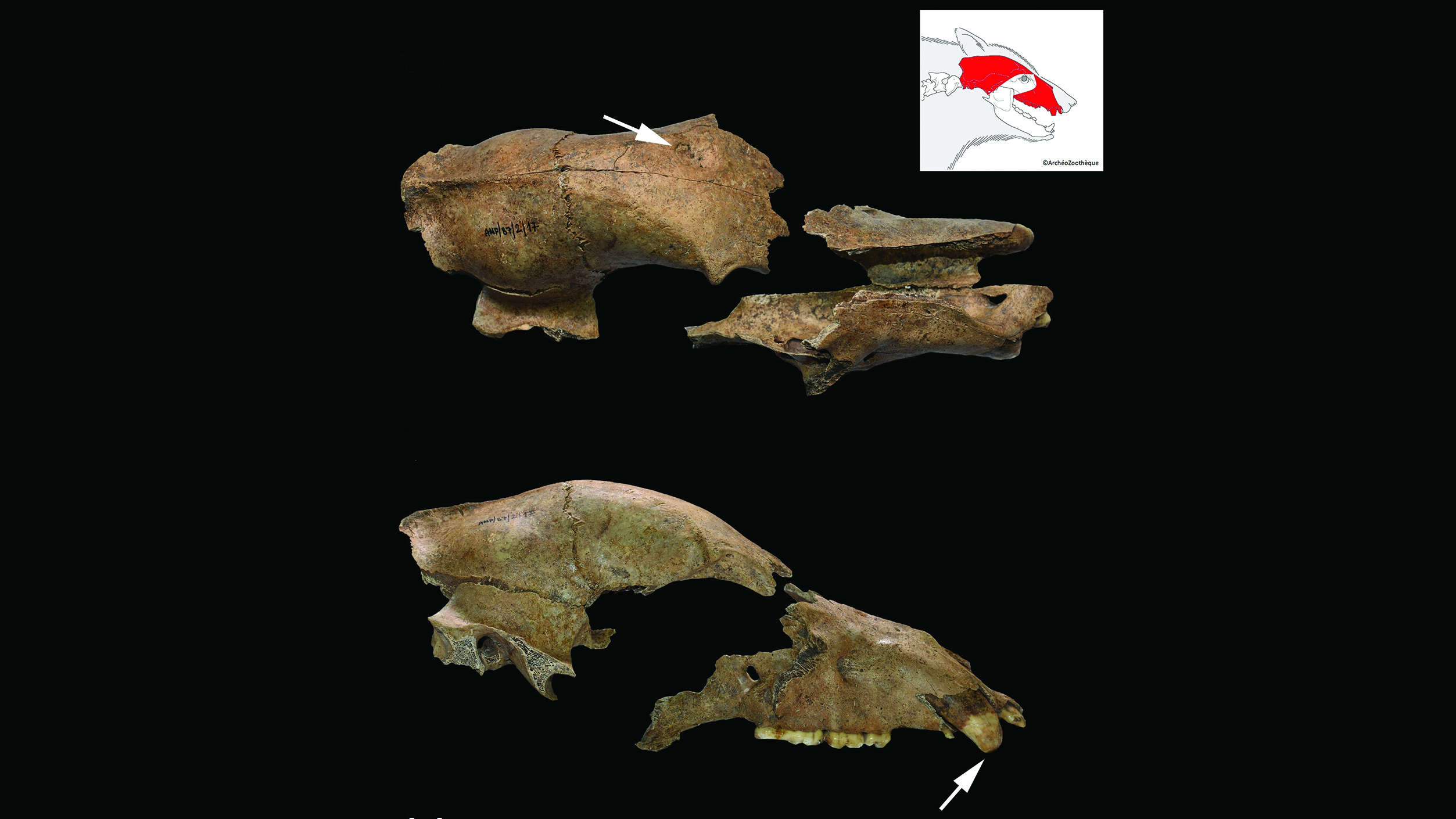
Recent analysis of a brown bear skull unearthed near the remains of a Roman amphitheater paints a disturbing picture. The bear, a male estimated to be around six years old at the time of his death, clearly suffered a life of hardship. Using ancient DNA analysis, scientists steadfast the bear originated from the local area.
Carbon dating of surrounding animal bones places the bear’s demise between A.D. 240 and 350,coinciding with the peak use of the Viminacium amphitheater. A significant, partially healed lesion on the bear’s skull suggests a traumatic injury, potentially inflicted by a *venator* – a specialized gladiator who hunted animals.
### Evidence of Captivity and Suffering
Further examination revealed additional signs of distress.Infections were present in the bear’s jaws, and his canine teeth exhibited unusual wear patterns. You might know that captive bears often develop these dental issues from repeatedly chewing on cage bars.
“This bear was likely kept in captivity for years, not just weeks,” explains researcher Marković. This suggests he was a recurring performer in the spectacles at Viminacium, repeatedly subjected to the dangers of the arena.
### First Direct Osteological Evidence
While past texts mention the use of bears in Roman games, this study provides the first concrete skeletal evidence. It offers a chilling glimpse into the realities of animal exploitation within the Roman Empire. This discovery underscores the scale of suffering endured by these animals for the amusement of Roman audiences.
This research not only deepens our understanding of Roman entertainment but also prompts reflection on our own ethical responsibilities towards animals. It serves as a stark reminder of the often-brutal history behind seemingly distant historical events.
### Roman Emperor Quiz: Test Your Knowledge
Want to see how well you know the rulers of the ancient Roman Empire? take our Roman Emperor Quiz!
Worth a look