
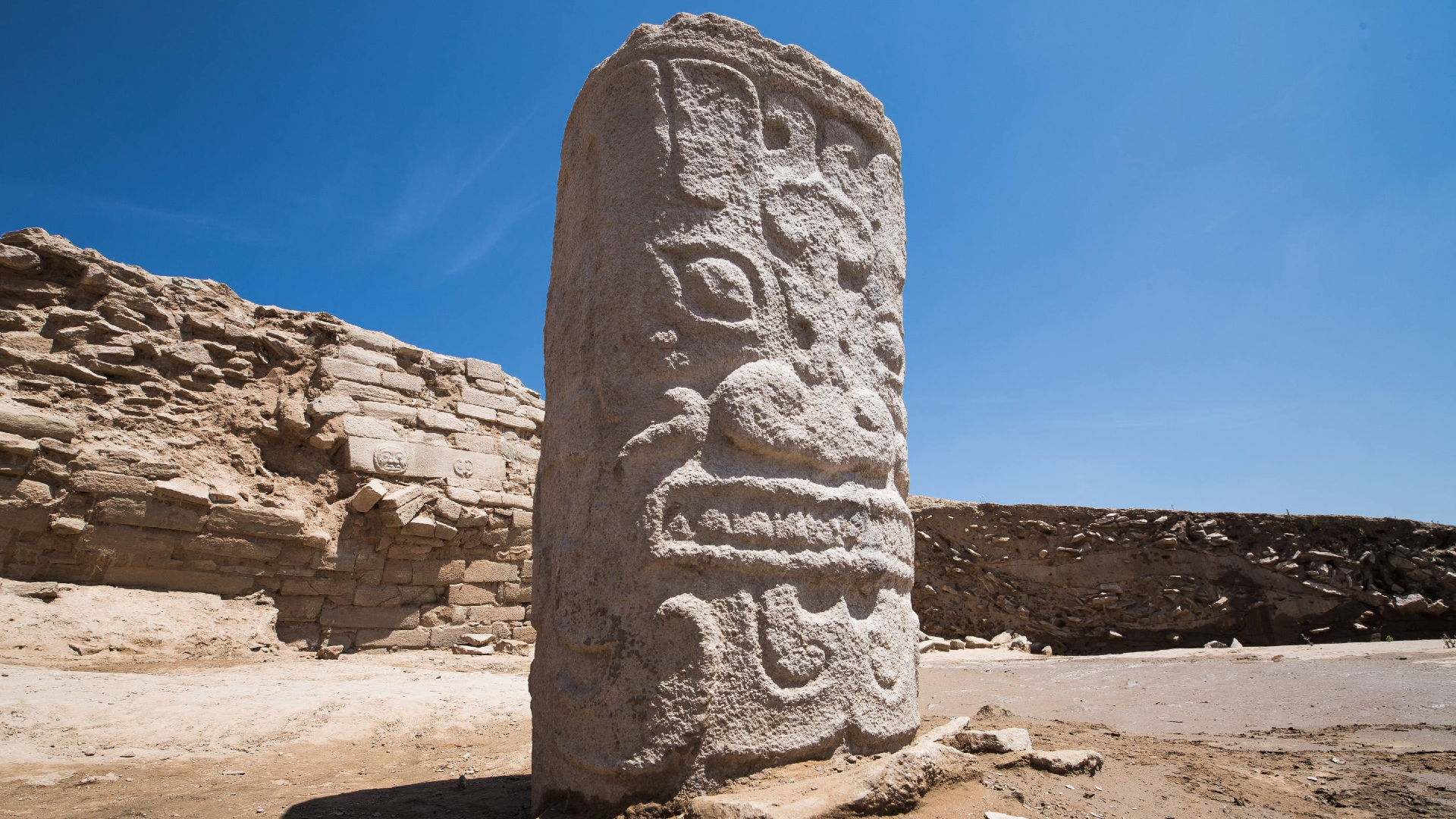
Ancient Sacrifices at Shimao reveal Surprising Gender Dynamics
Recent DNA analysis is challenging long-held beliefs about sacrificial practices at the Shimao archaeological site in China, a 4,500-year-old prehistoric city. For years, archaeologists believed that female sacrifices were central too the rituals performed at Shimao and its surrounding settlements. However, groundbreaking genetic research reveals a starkly different picture.
A Shift in Understanding
Initially, the association of female remains with elite burials led to the assumption of a female bias in sacrificial offerings. New DNA results, though, demonstrate that this wasn’t the case. Actually, a significant 9 out of 10 victims analyzed were male.
This discovery is particularly surprising given the prevalence of female remains linked to the elaborate burials of Shimao’s elite and its satellite towns. Researchers are now re-evaluating the complex rituals that took place at this significant site.
Distinct Rituals, distinct Victims
the contrast between the sacrificial patterns at Shimao and a nearby site, Dongmen, is striking. Dongmen featured mass burials and decapitation, primarily involving men. This suggests a highly structured system of sacrifice at Shimao, with gender playing a specific role tied to the ritual’s purpose and location.
According to researchers, these patterns indicate gender-specific roles within Shimao’s sacrificial practices. This points to a intentional and nuanced approach to ritual performance.
Not Outsiders: ancestral Connections
Further analysis of the sacrificed men’s DNA revealed another key insight. Researchers found no genetic differences between the victims and the individuals buried in the elite tombs. This means the sacrificed men were not “outsiders” brought in for the purpose of ritual, but likely members of the same community.
This finding strengthens the idea that these sacrifices were deeply embedded within the social and ancestral structures of Shimao.It suggests a complex relationship between the ruling class and those they sacrificed.
possible explanations for Sex-Specific Sacrifices
While the exact reasons behind these sex-specific customs remain unclear,several theories are emerging. Researchers propose that cemetery-based sacrifices, involving women, may have been a form of ancestor veneration. These sacrifices could have been intended to honor elite nobles or rulers.
Conversely, the sacrificed skulls found in pits may be linked to construction rituals, specifically related to the building of the city’s walls or gates.These practices likely held symbolic significance, reinforcing the power and protection of the settlement.
What Does This mean for Our Understanding?
This research highlights the importance of continually re-evaluating archaeological assumptions in light of new evidence. It demonstrates that our understanding of ancient rituals is often incomplete and subject to change.
The discoveries at Shimao offer a captivating glimpse into the complex beliefs and practices of a prehistoric society. Further research will undoubtedly shed more light on the motivations and meanings behind these ancient sacrifices.





