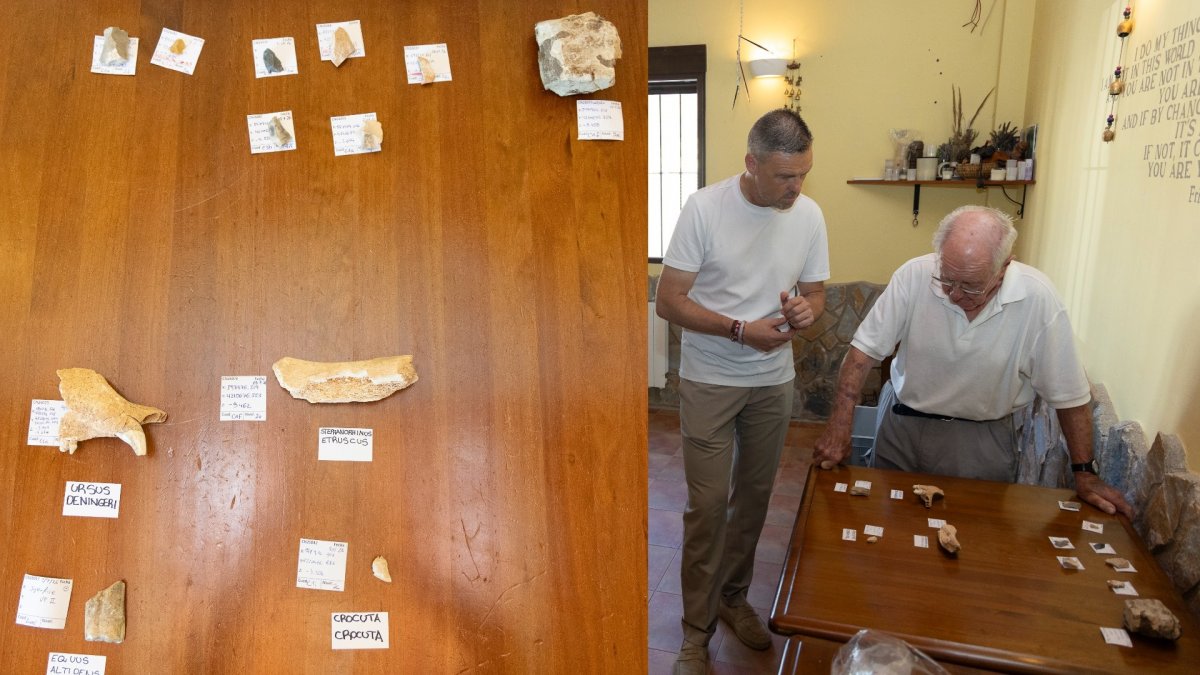
Archaeological research at the Cueva Negra del Estrecho del Río Quípar in Caravaca de la Cruz, Spain, continues to provide evidence that early hominids possessed advanced cognitive capabilities, including the systematic production of stone tools. Excavations at this site, located in the Murcia region, have unearthed lithic industries that suggest archaic human populations were more technologically proficient than previously assumed by traditional models of human evolution.
The findings at Cueva Negra challenge long-standing academic narratives that characterized these early inhabitants as lacking the complex planning or technical skills associated with later human ancestors. By analyzing the stratigraphic layers and the specific techniques used to modify flint and limestone, researchers have identified patterns of tool creation that indicate a high degree of intentionality and environmental adaptation. This research is supported by data from the Murcia Region’s Department of Culture and Heritage, which has monitored the site’s significance in understanding the Pleistocene epoch in the Iberian Peninsula.
Evidence of Sophisticated Lithic Production
The core of the discovery lies in the recovered lithic assemblage, which includes items classified as Acheulean. These tools are not merely opportunistic fractures but represent a standardized approach to manufacturing. According to published reports from the University of Murcia, which has collaborated on the site’s excavation, the hominids utilized specific percussion methods to create bifacial tools, scrapers, and points. This level of craftsmanship requires a mental template—the ability to visualize a finished product before beginning the modification of the raw material.
The presence of these tools in the Cueva Negra sequence, which dates back over 800,000 years, places the site among the oldest in Europe to contain such clear evidence of human industry. The site’s geological context allows researchers to correlate tool development with environmental shifts, offering a window into how these groups managed resources and raw materials in a changing Mediterranean climate. The Spanish National Geographic Institute provides geological data that confirms the stability of these deposits, ensuring the chronological integrity of the artifacts found within the cave.
Reframing Archaic Human Cognition
The traditional view of hominid evolution often placed a sharp divide between “archaic” populations and later species capable of symbolic thought or complex tool-making. However, the work at Caravaca suggests a more nuanced reality. By demonstrating that these populations were capable of selecting specific stone types for specific tasks, the evidence points to a sophisticated understanding of material properties. This behavior implies the existence of social learning, where the techniques for tool production were passed down through generations.
The ongoing analysis of the site is part of a broader effort to map the dispersal of early hominids across Europe. Researchers emphasize that the Cueva Negra materials are consistent with findings at other key sites in the region, including the Sima de los Huesos. According to documentation maintained by the Archaeological Museum of Murcia, these findings necessitate a re-evaluation of the timeline of human cognitive development and the technological thresholds required for successful migration and survival in diverse prehistoric environments.
Scientific Context and Future Fieldwork
The archaeological community continues to rely on high-precision dating methods, such as electron spin resonance and paleomagnetic analysis, to confirm the age of the layers at Cueva Negra. These scientific methodologies are essential for maintaining the credibility of the site’s findings within the international peer-reviewed literature. The Spanish National Research Council (CSIC) maintains updated records on the progress of such excavations, ensuring that findings are integrated into the global understanding of human evolution.
Fieldwork at the Cueva Negra del Estrecho del Río Quípar is scheduled to continue in upcoming seasons, with teams aiming to uncover more preserved organic materials that could provide further insight into the diet and daily life of these populations. As these investigations progress, the data will be archived for public and academic review, contributing to a more comprehensive understanding of the early inhabitants of the Iberian Peninsula. Readers interested in following these developments can monitor official updates provided by the regional government and the participating academic institutions as new data becomes available.
Related reading
- Stefano Corti Hospitalized After African Tick Bite: Symptoms and Recovery Details
- Rodri’s Return: Recovery, Setbacks, and Guardiola’s Warning on His Fitness
- Voyager 1 Becomes First Human-Made Object to Reach Interstellar Space in 49 Years (time.news)
- Beyond Rising Oil Prices: The Hidden Challenges Ahead (newsdirectory3.com)