
Ancient Spanish Dolmen Reveals Insights into Neolithic life and Trade Networks
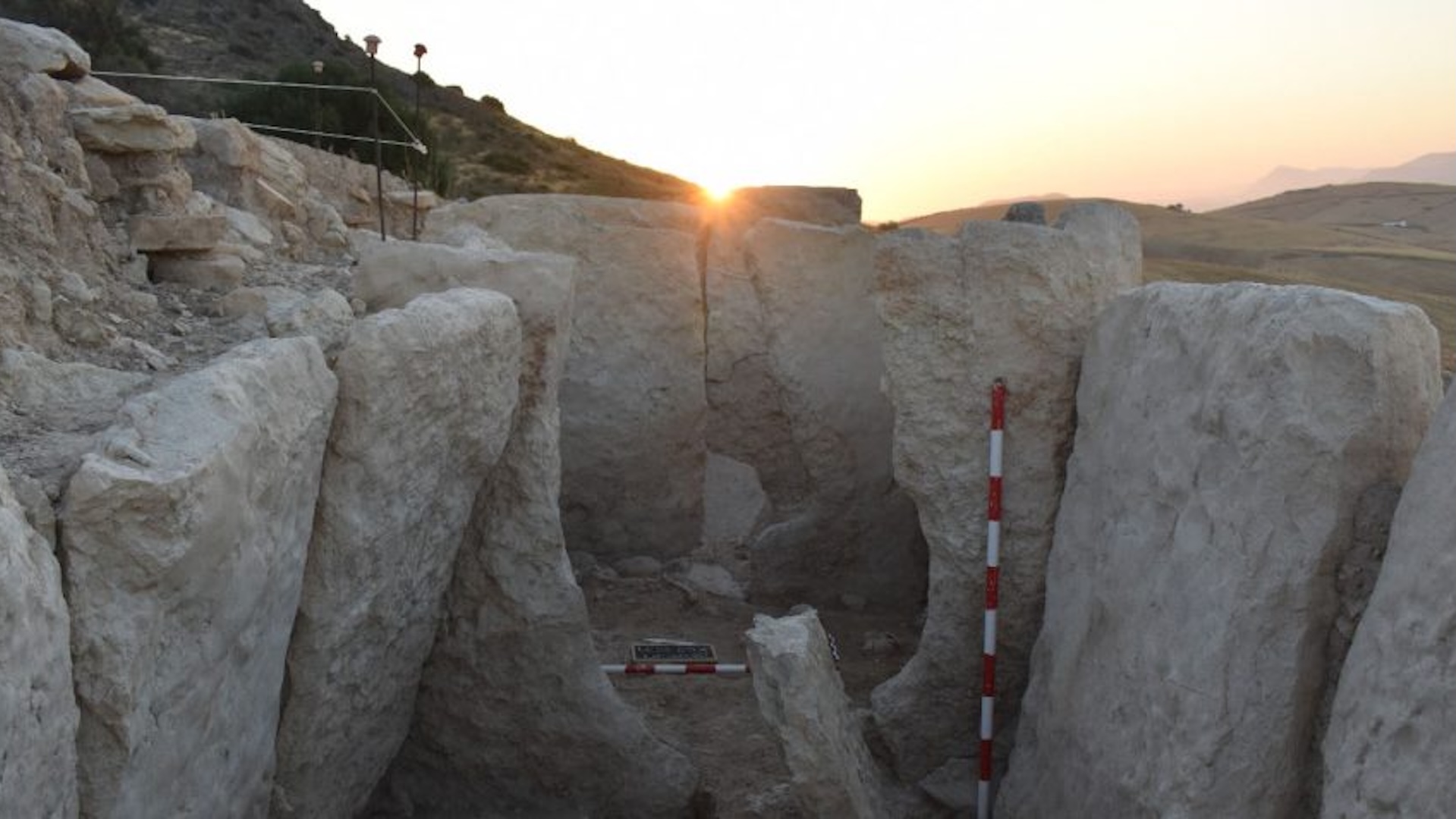
A recently excavated dolmen near the town of Teba, Spain, is shedding new light on neolithic burial practices, societal structures, and long-distance trade during the Copper Age. This remarkable discovery, the result of four excavation seasons, offers a interesting glimpse into the lives of people who lived in the region thousands of years ago.
A Collective Burial Site
Archaeologists discovered the stone monument contained several ossuaries – small graves holding the remains of multiple individuals. this indicates the dolmen served as a “collective burial” site, a common practice during this period. Alongside the human remains, researchers unearthed a variety of grave goods, providing clues about the beliefs and daily lives of those interred ther.
These artifacts include:
* Seashells, hinting at extensive trade networks.
* Pieces of ivory, suggesting access to valuable resources.
* Arrowheads, indicative of hunting practices and potentially conflict.
* A halberd, a sophisticated weapon combining spear and axe features.
The importance of Seashells and Trade
The presence of seashells in an inland location is particularly noteworthy. According to Juan Jesús Cantillo, a prehistory professor at the University of Cádiz, this discovery underscores the importance of the sea as a symbol of prestige and the existence of robust long-distance exchange networks.It suggests that even communities far from the coast were connected to maritime trade routes.
Dolmens: More Than Just Tombs
Dolmens, monumental stone structures found across the world, were often used as tombs. Though, their function likely extended beyond simply serving as burial sites. You might be interested to know that these structures could have also been used for rituals, habitation, or as territorial markers.
furthermore, some dolmens, like others found in Spain, demonstrate a deliberate alignment with solar events, such as the summer solstice. This suggests a sophisticated understanding of astronomy and its integration into cultural practices. in agricultural societies, dolmens may have also signified land ownership, a crucial aspect of community institution.
Spain’s rich Prehistoric Landscape
Spain boasts a wealth of prehistoric dolmens, each offering unique insights into the past. One particularly famous exmaple is the 7,000-year-old Dolmen of Guadalperal.This impressive site, featuring approximately 150 standing stones, was likely used for ceremonial purposes. Interestingly, the Dolmen of Guadalperal is currently submerged, only becoming visible during periods of drought.
Ongoing Research and Future Discoveries
Currently,research continues at the newly discovered dolmen. Archaeologists are meticulously analyzing the remains and artifacts to build a more complete picture of the people who built and used this ancient monument. As investigations progress, we can anticipate even more fascinating revelations about Neolithic life in Spain and the broader European landscape.
This discovery reinforces the importance of archaeological research in understanding our shared human history and the complex societies that came before us. It’s a testament to the enduring power of the past to inform our present and shape our future.





