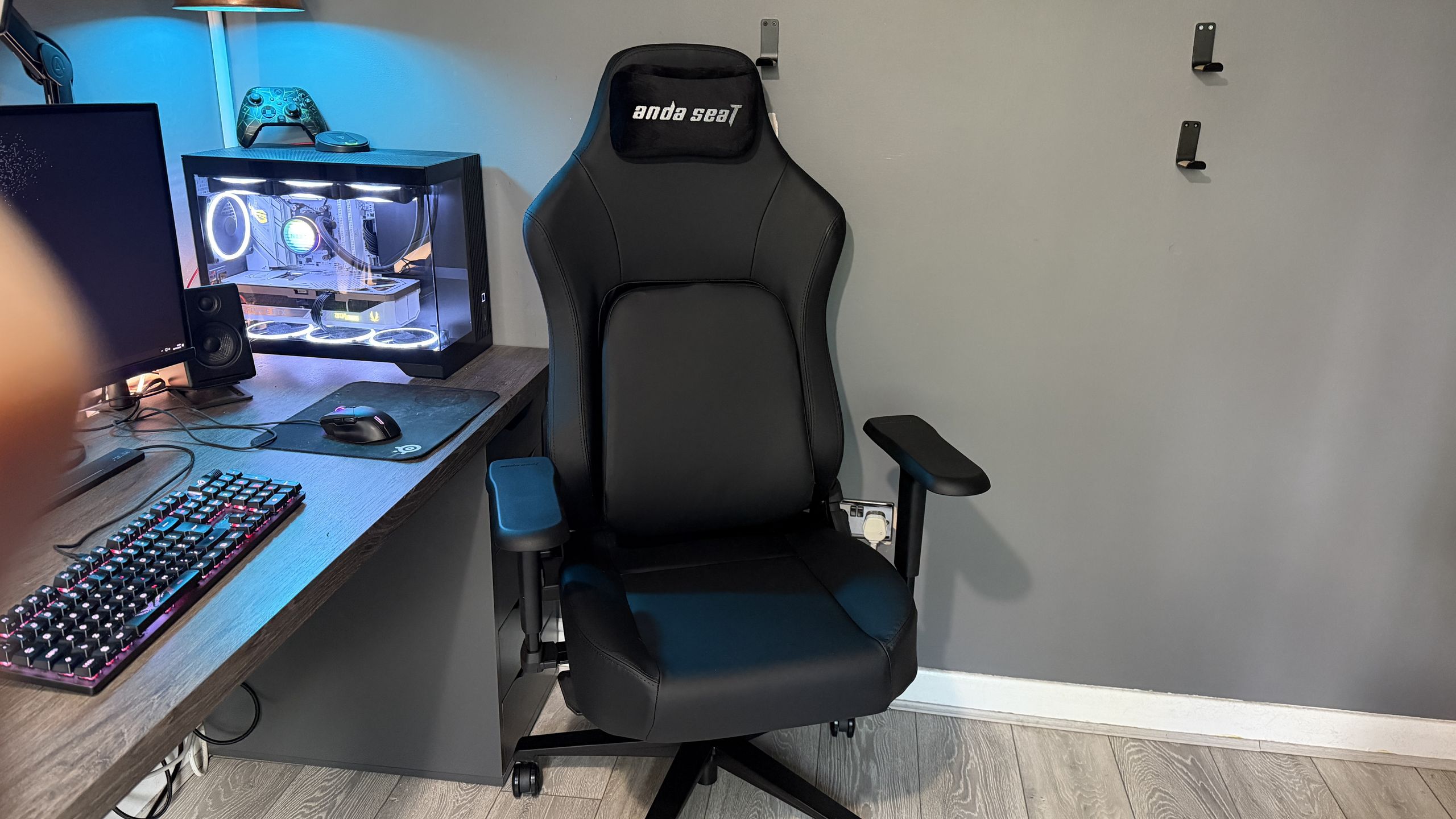
As the gaming furniture market continues to evolve, ergonomic design has shifted from a luxury feature to a core requirement for professionals and enthusiasts alike. The AndaSeat Phantom 4 Pro enters this competitive landscape as a mid-range solution, promising a blend of posture-supporting technology and versatile build quality. However, as users weigh the merits of modern gaming peripherals, the balance between advanced lumbar mechanics and overall seated comfort remains a point of critical evaluation.
The AndaSeat Phantom 4 Pro brings a lot to the table, but comfort takes a back seat for impressive ergonomics. For those spending extended hours at a desk, the distinction between active support and physical comfort is significant. While the chair’s structural innovations aim to address long-term health, the tactile experience of the upholstery and seat cushion density often determines whether a chair remains a staple of a home office or becomes a source of fatigue.
The Mechanics of Dynamic Lumbar Support
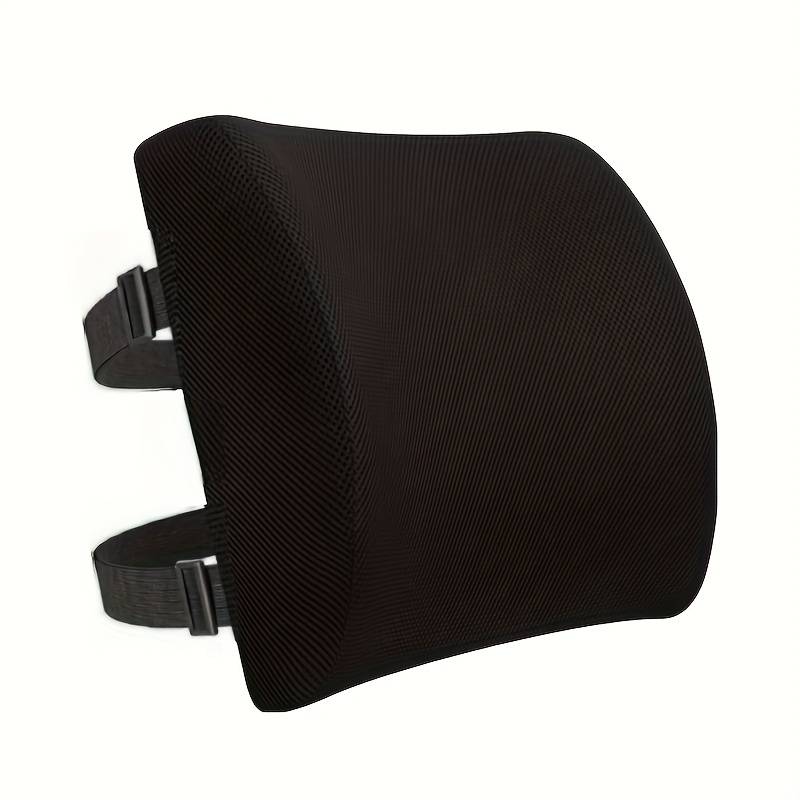
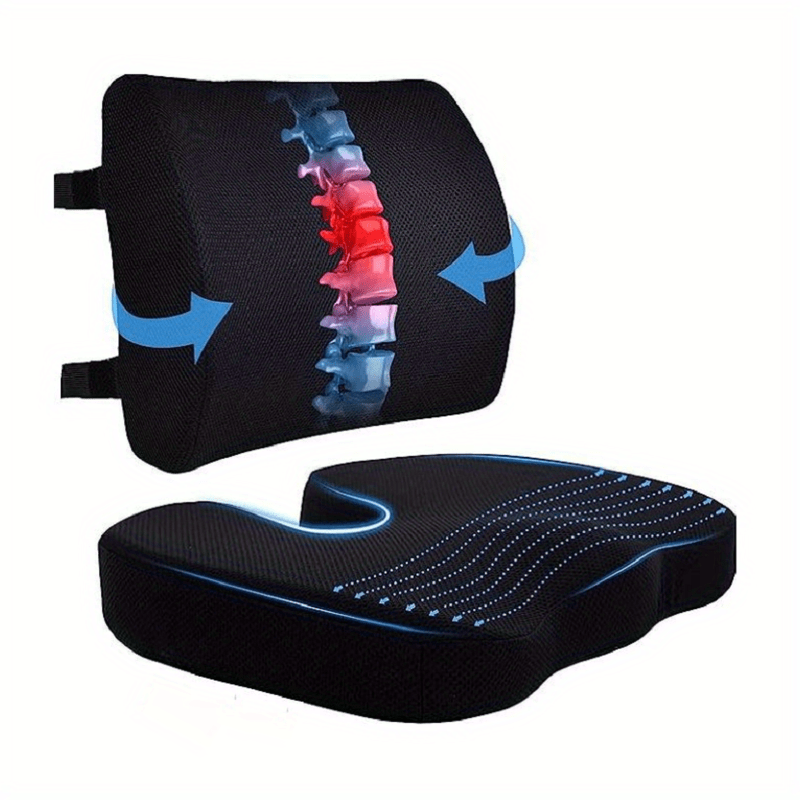
At the heart of the Phantom 4 series is a commitment to dynamic lumbar support. Unlike traditional, static cushions that offer a fixed point of pressure, the mechanism integrated into the Phantom 4 Pro is engineered to respond to the user’s micro-movements. This system allows for depth adjustments and subtle directional shifts, theoretically accommodating the natural tendency to lean or reposition during a gaming session or a long workday. By reacting to these shifts, the chair aims to maintain consistent spinal alignment.
This focus on ergonomics is reflective of a broader trend in the consumer gaming chair market, where manufacturers are increasingly prioritizing health-conscious design. The integration of such features is intended to mitigate the physical strain often associated with sedentary desk work. However, the effectiveness of these systems often depends on individual body types and personal preferences, making the “one-size-fits-all” approach to ergonomic marketing a complex proposition for consumers.
Evaluating Build Quality and Versatility
Beyond its ergonomic capabilities, the Phantom 4 Pro distinguishes itself through its construction. The use of an iron base provides a foundation intended for long-term durability, setting it apart from standard nylon alternatives. Assembly is frequently cited as a user-friendly aspect of the series, with magnetic side covers designed to streamline the setup process. These practical design choices indicate a focus on the lifecycle of the product, from initial installation to daily operation.
The chair’s versatility is further enhanced by the choice of upholstery, which users can select based on their specific environmental needs. Whether opting for leather or breathable linen, the goal is to balance durability with temperature regulation. For users in warmer climates or those who suffer from heat buildup during intensive tasks, the breathability of the materials becomes as vital as the structural support of the frame. Despite these design considerations, the ultimate test for any chair remains the subjective feeling of the seat cushion over time.
The Trade-off Between Ergonomics and Comfort
The core challenge for the Phantom 4 Pro lies in the tension between its technical achievements and the comfort of the user. While the dynamic lumbar support is a standout feature, it does not necessarily translate to a “plush” seating experience. Ergonomic chairs are often designed with firmer padding to encourage proper posture, which can be perceived as uncomfortable by those accustomed to softer, more forgiving furniture. This design philosophy prioritizes long-term health benefits over immediate tactile softness.
For potential buyers, It’s essential to distinguish between a chair that keeps you healthy and a chair that feels like a recliner. The Phantom 4 Pro is clearly positioned in the former category. Its focus on posture-correcting mechanics suggests it is best suited for those who are actively managing back health or who require a chair that forces them into a more disciplined sitting position. Those who prioritize a more cushioned, relaxed feel may find the firm ergonomics of the Phantom 4 Pro to be a significant departure from their expectations.
Looking Ahead: Choosing Your Setup
Selecting the right gaming or office chair requires a careful assessment of how much time is spent at the desk and what specific discomforts a user is trying to address. As the industry advances, we expect to see continued innovation in how chairs accommodate the human body. The Phantom 4 series serves as a case study in the current state of this evolution, highlighting the growing importance of dynamic, responsive components in modern workspace technology.
As of May 2026, manufacturers continue to iterate on these designs, with new models appearing frequently in the marketplace. Consumers should keep an eye on official manufacturer announcements and verified user reviews for updates on ergonomics and material longevity. We welcome your thoughts—if you have experience with the Phantom 4 Pro or similar ergonomic chairs, please share your findings in the comments section below to help your fellow readers make an informed decision.
Keep reading