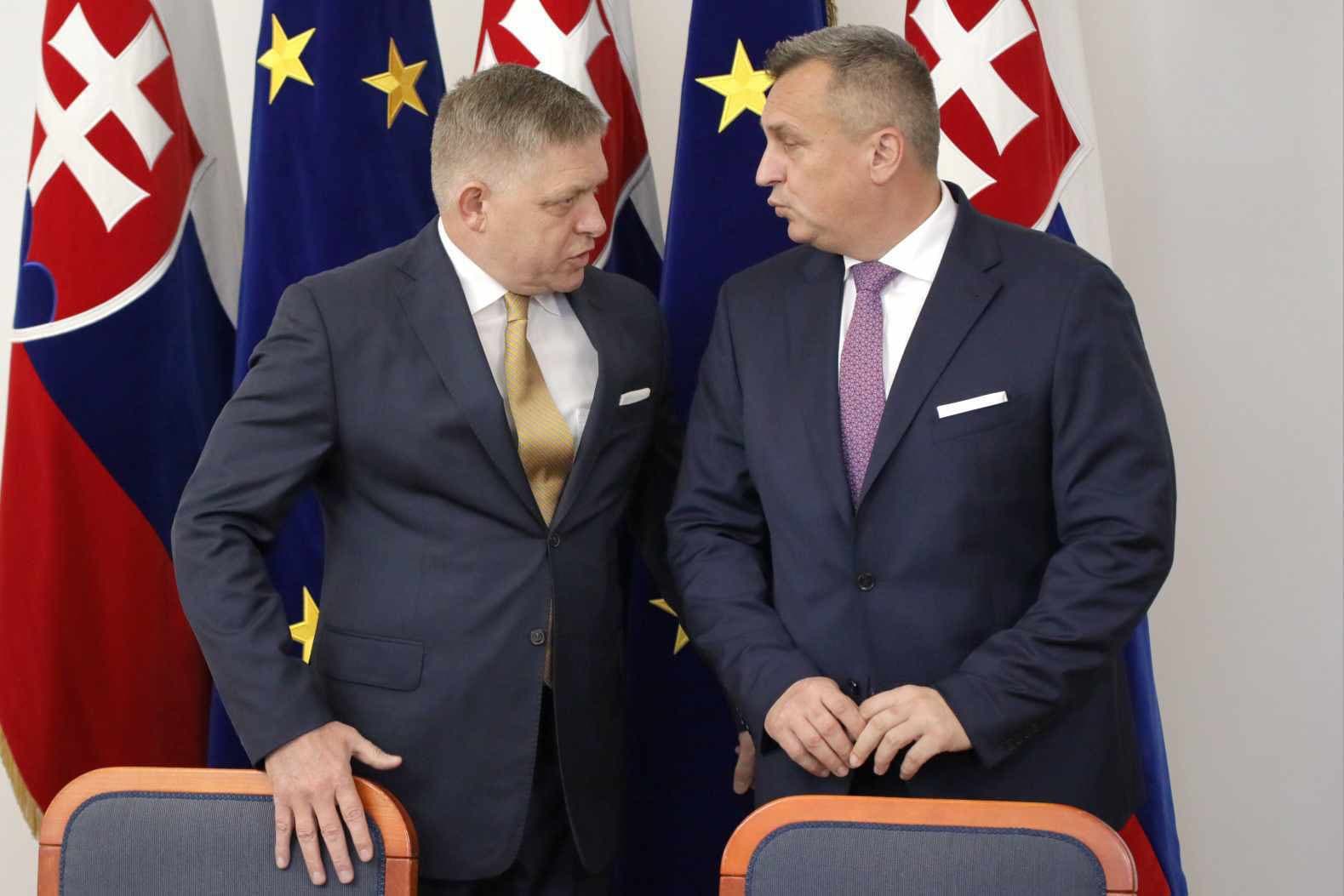
In the complex and often volatile landscape of Slovak politics, the stability of Prime Minister Robert Fico’s administration remains a focal point of intense scrutiny. As of March 2025, the ruling coalition, which relies on a narrow parliamentary majority, has faced significant internal friction, prompting questions about the longevity of the government’s current power-sharing arrangements. The political climate in Bratislava continues to be defined by shifting loyalties and the ongoing challenge of maintaining a cohesive legislative bloc.
The fragility of the current governing majority, which officially holds a 79-seat mandate in the National Council, has been tested by the departure of several members of parliament from their respective parties. According to recent briefings on the Slovak political landscape, three deputies have broken away from the Hlas-SD party, while three others have departed from the Slovak National Party (SNS) caucus. These defections have necessitated a delicate balancing act for the Prime Minister as he seeks to prevent further erosion of his support base in the legislature.
For those tracking the Slovak coalition government dynamics, the situation remains a fluid test of political endurance. The departure of MPs has not only reduced the margins of the ruling coalition but has also empowered individual legislators, such as those associated with the group led by Rudolf Huliak, to exert greater leverage over the government’s agenda. This power dynamic is central to understanding the current legislative impasse and the subsequent administrative adjustments made by the Smer-SD leadership.
Coalition Realignment and Ministerial Reshuffling
In an effort to stabilize the government, Prime Minister Robert Fico has initiated a series of strategic changes to the coalition agreement. These adjustments included a significant reshuffling of cabinet positions to reflect the evolving parliamentary math. The Smer-SD party, led by the Prime Minister, has assumed control of two additional ministries: the Investment Ministry, previously held by Hlas-SD, and the Sports and Tourism Ministry, which had been under the purview of the SNS. These moves are viewed by analysts as a calculated effort to centralize authority and ensure that the government retains a functional, albeit narrow, majority of at least 76 seats.

The tension within the coalition is not merely a matter of seat counts; it is deeply rooted in personal and ideological clashes between coalition partners. The relationship between the Prime Minister and SNS leader Andrej Danko has been a subject of frequent public discourse. While the Prime Minister has historically sought to minimize the appearance of a crisis, the reality of the governing coalition suggests that the internal pressures are persistent. The coalition agreement, which was amended in response to these tensions, underscores the difficulty of maintaining a unified front when individual party leaders harbor divergent priorities.
The Impact of Legislative Defections
The departure of deputies from Hlas-SD and the SNS has created a new class of “kingmaker” MPs who are not formally bound by the original coalition agreement. The National Council of the Slovak Republic remains the primary venue where these shifts are manifested, as the loss of even a few votes can jeopardize the passage of key legislation. While some of the breakaway MPs have publicly expressed support for the Prime Minister’s government, their continued alignment is not guaranteed, leaving the administration in a state of perpetual negotiation.
This environment of uncertainty has led to concerns regarding the government’s ability to implement its long-term policy goals. When coalition partners engage in public disputes, the focus of the administration shifts from governance to political survival. For observers of European politics, the situation in Slovakia serves as a case study in the challenges of leading a multi-party government in an era of heightened political polarization.
Looking Ahead: The Path to Stability
The Prime Minister’s objective remains the restoration of a more comfortable parliamentary majority, ideally returning to the 79-seat threshold. Whether this can be achieved through further negotiations with independent deputies or through a more formal reconciliation with current coalition partners remains to be seen. The political calendar in Bratislava will continue to be dominated by efforts to secure the support of the remaining undecided or independent MPs.

As the government moves forward, the primary metric for success will be its ability to pass the national budget and other critical legislative items without resorting to constant concessions to the breakaway factions. The stability of the Smer-SD, Hlas-SD, and SNS alliance will be tested whenever controversial policy decisions reach the floor of the National Council. Readers interested in the latest developments are encouraged to monitor official announcements from the government portal and the parliamentary website for updates on coalition agreements and legislative sessions.
The future of the Slovak coalition is far from settled. As the government navigates these internal challenges, the resilience of the Prime Minister’s leadership will continue to be the defining factor in the nation’s political trajectory. Stay tuned to our ongoing coverage as we track the next milestones in the parliamentary session and any further adjustments to the cabinet structure.
What are your thoughts on the current political developments in Slovakia? Share your perspective in the comments section below and join the conversation on our social media platforms.
Keep reading