
Indonesia’s Acid Attack on Activist Andrie Yunus: A Test of Military Justice and Civilian Rights
JAKARTA — The brutal acid attack on Indonesian human rights activist Andrie Yunus has ignited a storm of controversy over military impunity and civilian justice, as the victim rejects a military-led investigation and demands that his attackers be tried in civilian courts. The case, which has drawn comparisons to the brutality of Indonesia’s Suharto era, now threatens to expose deep-seated tensions between the country’s military and its civil society.
Yunus, deputy coordinator of the Commission for the Disappeared and Victims of Violence (KontraS), was attacked on March 12, 2026, when four members of the National Intelligence Army Detachment Headquarters allegedly doused him with acid during a public gathering. The assault has prompted a high-stakes legal battle over jurisdiction, with Yunus refusing to participate in a military investigation and accusing the process of being a tool for impunity.
In a letter dated April 3, 2026, Yunus declared his “vote of no confidence” in the military-led investigation, insisting that any perpetrators—whether civilian or military—must face trial in Indonesia’s civilian justice system. His stance has put the Indonesian military (TNI) in a precarious position, as it attempts to balance its institutional interests with growing public pressure for accountability.
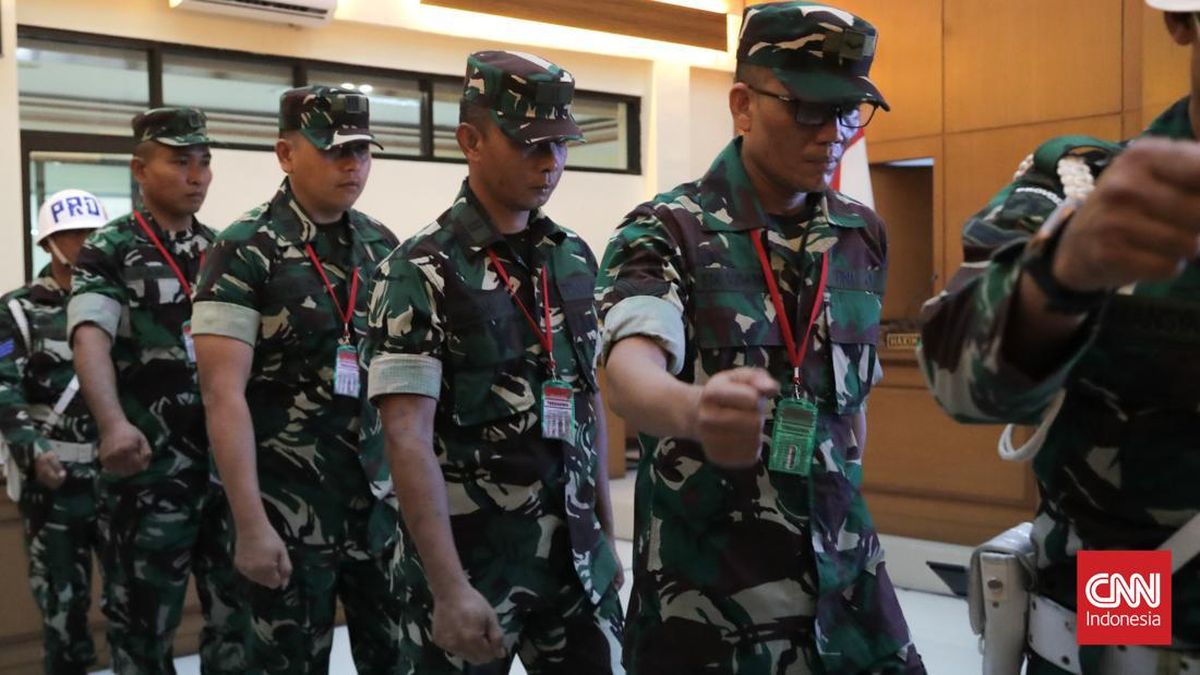
The case has also reignited debates about the role of military courts in Indonesia, where such tribunals have historically been criticized for failing to deliver justice for victims of human rights abuses. Yunus’s rejection of the military process comes as the investigation identifies four suspects—all members of the Indonesian Military’s Strategic Intelligence Agency (BAIS TNI)—who remain in detention pending further proceedings.
Why Yunus Rejects Military Justice: A Pattern of Impunity
Yunus’s refusal to cooperate with the military investigation is rooted in a long history of civilian distrust toward military courts in Indonesia. Since the fall of Suharto in 1998, activists and legal experts have documented numerous cases where military tribunals failed to deliver justice for victims of state violence, instead serving as mechanisms for institutional protection.
“The military justice system in Indonesia has consistently been a tool for impunity rather than accountability,” said Yunus in his letter. “in fine conscience participate in a process that has repeatedly failed to hold soldiers accountable for human rights violations.”

“I object and declare a vote of no confidence in the military-led investigation. Anyone involved in this attack—whether civilian or military—must be prosecuted through the civilian justice system.”
The New York Times has previously reported on how such attacks evoke the brutality of Indonesia’s authoritarian past, particularly during the Suharto regime when dissent was met with state-sanctioned violence. Yunus’s case has drawn immediate comparisons, with observers warning that the military’s handling of the investigation could further erode public trust in Indonesia’s justice system.
The Suspects: Who Is Behind the Attack?
According to military authorities, the four suspects—identified only by their initials (NDP, SL, BWH, ES)—are members of the Indonesian Military’s Strategic Intelligence Agency (BAIS TNI). They were detained on March 18, 2026, following the attack and are currently held at the Pomdam Jaya Guntur military detention facility in Jakarta.

Military Police Commander Maj. Gen. Yusri Nuryanto confirmed that investigators from the TNI Military Police (Puspom TNI) had visited Cipto Mangunkusumo Hospital (RSCM) to request a statement from Yunus, but doctors had not yet permitted questioning due to his ongoing medical treatment. The delay has fueled Yunus’s objections, who argues that the military’s handling of the case is designed to protect its own personnel rather than seek justice.
While the suspects’ identities remain partially obscured—only their initials have been publicly disclosed—legal experts suggest that the case may involve higher-ranking officers given the strategic nature of the intelligence unit involved. However, without Yunus’s cooperation, the investigation risks stalling, leaving key questions unanswered.
Legal Battles and Public Pressure: What Happens Next?
The Yunus case now hinges on two critical questions: Will the military respect Yunus’s demand for civilian jurisdiction, and what public pressure will be brought to bear on the investigation?
Legal scholars in Indonesia have begun mobilizing in support of Yunus, arguing that the case presents a rare opportunity to challenge military impunity. The Commission for the Disappeared and Victims of Violence (KontraS), of which Yunus is a deputy coordinator, has already issued statements condemning the attack and calling for transparency in the investigation.
Meanwhile, the Indonesian public has reacted with outrage, with social media campaigns using the hashtag #JusticeForAndrie trending across the country. Human rights organizations, including Amnesty International and Human Rights Watch, have also expressed concern, warning that the military’s handling of the case could set a dangerous precedent for future abuses.
As of May 13, 2026, no official decision has been made regarding the transfer of the case to civilian courts. However, Yunus’s legal team has indicated that they are preparing to file formal objections to the military investigation, potentially escalating the legal battle in the coming weeks.
Key Takeaways
- Military vs. Civilian Justice: Yunus’s rejection of military courts reflects broader distrust in Indonesia’s military justice system, which has historically failed to deliver accountability for human rights violations.
- Suspects Identified: Four members of BAIS TNI (initials NDP, SL, BWH, ES) are detained but investigation stalled due to Yunus’s refusal to cooperate.
- Public Outrage: The case has sparked national and international condemnation, with social media campaigns and human rights groups demanding civilian jurisdiction.
- Legal Precedent: If the case proceeds in military courts, it could reinforce patterns of impunity; a transfer to civilian courts would mark a significant shift.
- Next Steps: Yunus’s legal team is preparing objections, while military authorities have not yet responded to his demands for civilian trial.
- Historical Context: The attack evokes comparisons to Indonesia’s Suharto era, where state violence against dissenters was met with impunity.
What This Means for Indonesia’s Military and Civil Society
The Yunus case is more than a criminal investigation—it is a test of Indonesia’s commitment to civilian oversight of its military. If the case remains in military hands, it risks becoming another chapter in Indonesia’s long history of institutional impunity. If it is transferred to civilian courts, it could signal a turning point in the country’s struggle for accountability.

For Yunus, the stakes are personal. As a longtime activist who has documented military abuses, his refusal to participate in the investigation is both a principled stand and a desperate plea for justice. “This is not just about me,” Yunus has stated in interviews. “It’s about whether Indonesia will ever hold its military accountable for its actions.”
The case also raises questions about the future of Indonesia’s military reform efforts. Since the fall of Suharto, the country has made progress in democratizing its institutions, but the military remains a powerful and often unaccountable force. Yunus’s acid attack—and the public’s reaction to it—could either accelerate these reforms or further entrench military impunity.
Where to Follow Updates
For the latest developments in the Yunus case, readers can monitor the following official channels:
- KontraS (Commission for the Disappeared and Victims of Violence): Official Website (for statements and updates from Yunus’s organization)
- Indonesian Military (TNI) Press Releases: Official TNI Website (for military investigation updates)
- Cipto Mangunkusumo Hospital (RSCM): Official Website (for Yunus’s medical status and potential statements)
- Indonesian National Police (Polri): Official Website (if case is transferred to civilian courts)
Next Steps in the Case
The next critical checkpoint in the Yunus case will be the resolution of his objection to the military investigation. Legal experts anticipate that Yunus’s team will file formal documents with the Attorney General’s Office (Kejaksaan Agung) in the coming days, demanding a transfer to civilian courts. The military, meanwhile, has not yet indicated whether it will comply.
If the case remains in military hands, observers expect Yunus to continue his public campaign, potentially including high-profile interventions such as his recent interruption of parliamentary proceedings on the TNI bill. If transferred to civilian courts, the case could set a precedent for future military accountability—but only if the prosecution is handled transparently and without interference.
What do you think? Should Indonesia’s military be held accountable for this attack? Share your thoughts in the comments below or on social media using #JusticeForAndrie.
Stay updated: Bookmark this page for live updates as the case develops. For direct notifications, subscribe to our newsletter or follow us on Twitter and Facebook.