
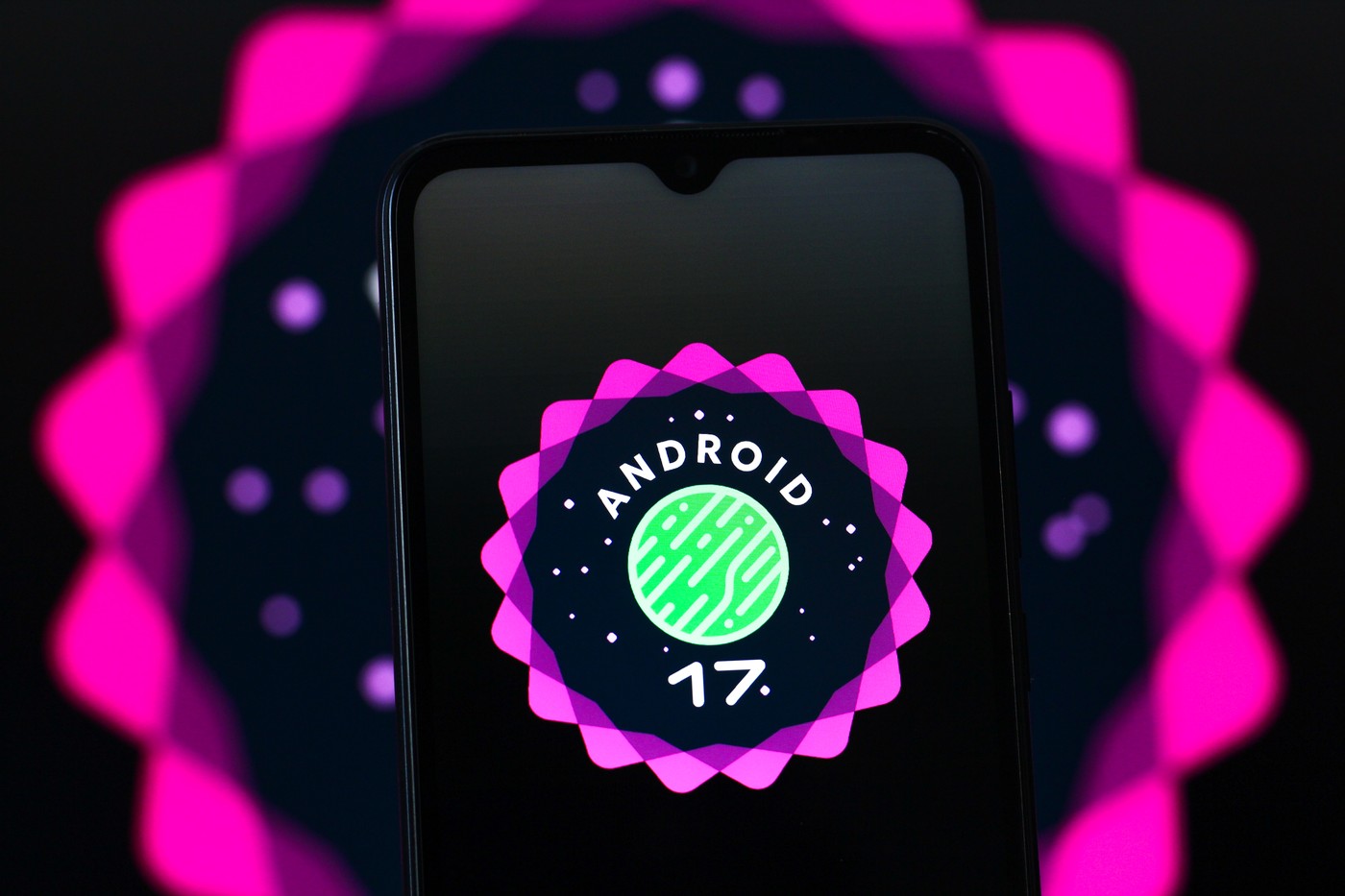
Google has officially initiated the testing phase for the next iteration of its mobile operating system, with the release of the Android 17 developer preview and associated beta updates. While the software is currently moving through the testing pipeline, Google has confirmed that access to these early versions is restricted to specific hardware, primarily within its own Pixel ecosystem, and remains unavailable to the general public or non-supported devices at this time.
According to the latest official Android developer documentation, the transition to this new version is focused on refining system stability and introducing backend improvements that will eventually shape the consumer experience. For most users, the transition to the next major Android version follows a standard release cadence, typically beginning with internal testing before moving to developer previews and eventually public beta releases.
Understanding the Current Android 17 Testing Phase
The current phase of software development, identified in recent technical bulletins as QPR (Quarterly Platform Release) testing, is designed to catch bugs and performance issues before a wider rollout. These updates are distinct from the final, stable version of the operating system that will reach mainstream consumers. As noted in Google’s Android Developers Blog, participation in the beta program is entirely voluntary and is aimed at developers and early adopters who are prepared to handle potential system instability.

The rollout process is tiered. Initially, only a select number of Pixel devices are eligible for these early builds. This strategy allows Google to gather telemetry data and user feedback in a controlled environment. Users who are not currently enrolled in the Android Beta Program will not receive these updates through their device’s standard settings menu, and for most, this is the recommended approach to ensure long-term device reliability.
Hardware Compatibility and Device Support
A primary point of confusion for users concerns which devices will receive future updates. Google’s current support policy for its hardware, such as the Pixel 8 and Pixel 9 series, includes a commitment to seven years of software updates, as outlined in the official Google Pixel support lifecycle guidelines. However, this does not mean every device is compatible with every early-stage beta.

Devices that have reached their “end-of-life” for guaranteed software support are excluded from the Android 17 testing pool. If a specific device is no longer receiving security patches or OS updates from Google, it will not be eligible to move to the newest version of the platform. Users are encouraged to check their device’s specific support status on the official website to determine if their hardware is still within the active update window.
What Features Are Expected in the Next Release?
While the current beta builds prioritize under-the-hood fixes, developers are monitoring the platform for changes in API levels and privacy controls. Historically, Android updates have moved toward more granular control over data permissions and battery optimization. According to reports from technical analysts covering Android’s evolving architecture, the focus for the upcoming version appears to be on enhancing the integration of machine learning tasks directly into the operating system’s kernel, potentially improving both speed and power efficiency.
It is important to differentiate between “feature drops,” which occur regularly for existing Pixel phones, and the transition to a new major Android version. Feature drops often include localized tools like AI-driven photo editing or improved call screening, while a new Android version typically introduces fundamental changes to the underlying code that applications use to interact with the device’s hardware.
Next Steps for Users and Developers
For those interested in the future of the platform, the next confirmed checkpoint for the software is the transition from the current QPR beta to the next stage of the developer preview. Google usually provides a roadmap on its Android 17 timeline page, which details the expected dates for the platform stability milestone and the eventual public launch.

If you are a casual user, it is advised to wait for the final, stable version of the update, which will be pushed automatically to your device once it is deemed ready for mass consumption. For developers, the best way to stay informed is to monitor the Android Developer newsroom or join the official beta program via the Google website. If you have questions about whether your specific device model will receive this update, please check the support section of your device manufacturer’s website. We invite you to share your thoughts on these upcoming changes in the comments below.