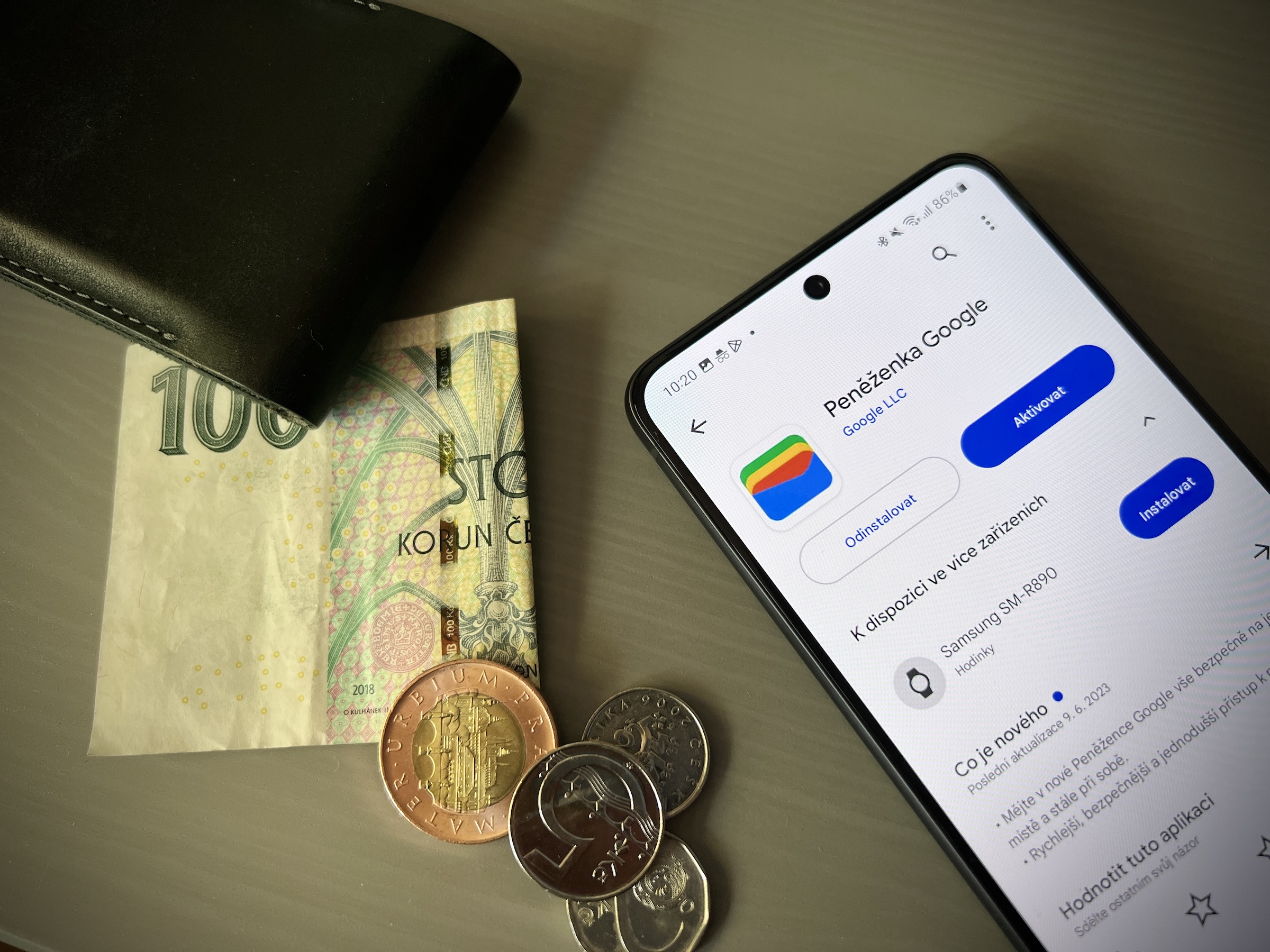
Google has rolled out its August Android System Updates, introducing critical backend adjustments that extend far beyond routine bug fixes. According to release notes published by Google, the latest software distribution targets core infrastructure across phones, tablets, and connected devices, modifying how user privacy prompts, device pairing routines, and digital payment frameworks operate. The updates arrive as part of the company’s regular monthly push to patch vulnerabilities and enhance ecosystem stability without requiring a full operating system upgrade.
Chief among the changes is a significant expansion for Google Wallet, which receives deep integration with updated system-level security tokens. These modifications alter how credential verification handles tap-to-pay transactions and boarding pass storage across supported Android versions. Software engineers and developers working with the Android Open Source Project (AOSP) noted that the August patches also refine modular components managed directly through Google Play Services, ensuring older hardware receives modern cryptographic support.
Linda Park, tech editor at World Today Journal, brings over nine years of software development and journalism experience to this analysis, examining how monthly infrastructure shifts impact everyday mobile security. While major Android version releases capture consumer attention, these silent background interventions govern day-to-day app compatibility, network handoffs, and identity verification protocols. Understanding these updates helps users anticipate interface tweaks and security prompt behaviors before they appear on their screens.
Google Wallet Security Enhancements and Payment Processing Updates
The August update brings notable changes to Google Wallet, focusing on streamlined credential verification and tighter integration with device-level secure elements. According to Google’s official support documentation, the revised payment framework improves token generation speeds for contactless transactions while reducing the frequency of re-authentication prompts for routine purchases. This adjustment addresses long-standing user feedback regarding unexpected card lockouts during rapid transit ticketing.
Furthermore, the update updates how pass-management APIs handle third-party loyalty cards and event tickets. Developers utilizing the Google Wallet API can now implement richer notifications for gate changes and flight delays directly on lock screens. These improvements rely on underlying framework modules distributed via Google Play Services version 24.30, which began pushing to compatible devices globally in early August.
Security researchers point out that these modifications also tighten protections against screen-overlay attacks during financial transactions. By shifting validation tasks to protected system spaces, the updated architecture prevents malicious applications from intercepting card details during the authorization phase. Users do not need to take manual action to enable these features, as background installation handles the rollout automatically.
Core Android System Services and Privacy Framework Adjustments
Beyond digital payments, the August Android System Updates overhaul several background processes governing device connectivity and permission management. According to system update logs, the update introduces stricter boundaries for cross-app data sharing, limiting how background utilities access location metadata and device sensors. These adjustments align with broader mobile privacy initiatives aimed at reducing unauthorized data harvesting by third-party SDKs.
Device connectivity also receives targeted stability improvements, particularly for Bluetooth Low Energy (BLE) audio routing and fast-pairing routines. Users connecting wireless earbuds or smart home accessories should experience fewer dropped connections and faster initial pairing speeds. These fixes address specific handshake failures identified in previous software builds across various manufacturer implementations.
The distribution of these components occurs modularly through Google Play system updates, bypassing traditional carrier approval bottlenecks. Devices running Android 10 and newer receive these patches automatically through background maintenance windows, though users can manually check for updates by navigating to Settings, selecting Security & Privacy, and tapping on System & updates.
Global Rollout Timeline and Device Compatibility
The rollout of the August 2024 system components follows a staged deployment schedule managed by Google. According to official release schedules, initial availability covers Google Pixel devices before expanding outward to smartphones and tablets manufactured by Samsung, Motorola, OnePlus, and other ecosystem partners throughout the month. The gradual deployment allows engineers to monitor telemetry data and halt distribution if unexpected performance regressions emerge.
Users seeking to verify their current software status can check their Google Play system version by opening device settings and reviewing the About Phone menu. As Google continues to decouple core security features from annual OS upgrades, these monthly interventions remain the primary vehicle for maintaining device health and data protection across the global Android installed base.
Related reading