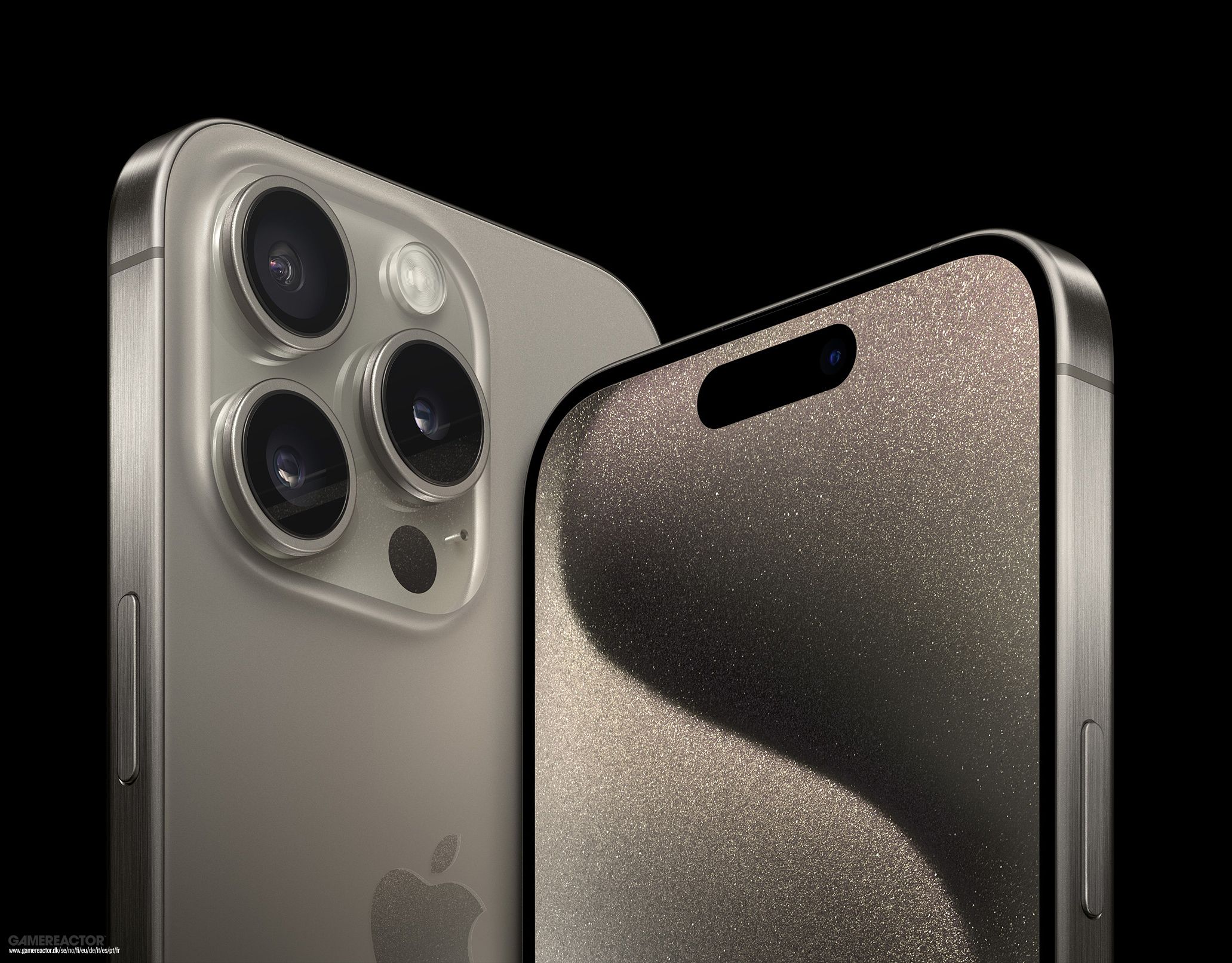
Smartphone Brand Loyalty Remains Strong Among Users Worldwide
Smartphone users continue to demonstrate strong brand allegiance, with surveys indicating that a significant majority stick with the same operating system or manufacturer when upgrading their devices. This trend persists despite increasing competition and rapid innovation across the Android and iOS ecosystems. Analysts note that ecosystem lock-in, familiarity with user interfaces, and perceived reliability are key drivers behind this behavior. Whereas some users switch brands due to pricing, features, or dissatisfaction, the data shows that retention rates remain high for both Apple and major Android manufacturers like Samsung.
Recent consumer research highlights that over 70% of iPhone users choose another iPhone when replacing their device, according to multiple industry analyses. Similarly, Samsung reports high retention among its Galaxy series customers, particularly in premium segments. These patterns suggest that brand loyalty in the smartphone market is not merely habitual but often rooted in integrated experiences involving apps, services, and device compatibility. The phenomenon has implications for market dynamics, influencing how companies design products and structure long-term customer engagement strategies.
Although switching costs are not prohibitively high for most users, psychological and practical barriers contribute to sustained loyalty. Users frequently cite the learning curve associated with new operating systems, data migration concerns, and confidence in a brand’s after-sales support as reasons for staying put. The rise of ecosystem-specific features—such as Apple’s Continuity or Samsung’s DeX—further incentivizes users to remain within a single brand’s product lineup. These factors collectively reinforce a cycle where initial brand choice tends to persist over multiple upgrade cycles.
Ecosystem Integration Drives Long-Term Retention
One of the most significant factors behind smartphone brand loyalty is the depth of ecosystem integration. Apple’s tightly controlled hardware-software environment enables seamless interaction between iPhone, iPad, Mac, Apple Watch, and services like iCloud, Apple Music, and FaceTime. Users who own multiple Apple devices often report higher satisfaction and are less likely to switch to Android, as doing so would disrupt these interconnected workflows. Similarly, Samsung promotes cross-device functionality through its Galaxy ecosystem, linking smartphones with tablets, wearables, and smart home products via SmartThings and Samsung Flow.
Studies indicate that users with more than two devices from the same brand are significantly less likely to switch platforms. For example, a 2023 survey by Consumer Intelligence Research Partners (CIRP) found that iPhone users who also owned a Mac or iPad had a retention rate exceeding 80% when upgrading their phone. Samsung’s internal data, shared during its 2023 developer conference, showed that Galaxy users with a Galaxy Watch or Buds were 30% more likely to choose another Galaxy device compared to those without accessories. These findings underscore how peripheral adoption strengthens core product loyalty.
Beyond convenience, ecosystem lock-in also affects perceived value. Users often experience that switching brands would result in a loss of functionality or require repurchasing compatible accessories. This perception is reinforced by marketing strategies that emphasize holistic experiences over individual device specs. Companies invest heavily in creating sticky services—such as Apple’s iCloud+ or Samsung Knox—that increase the cost of leaving the ecosystem, even if not financial, then at least in terms of time and effort.
Demographic and Regional Variations in Loyalty Patterns
Brand loyalty in smartphones is not uniform across all demographics or regions. Research indicates that older users tend to exhibit higher retention rates than younger ones, possibly due to lower tolerance for change and greater reliance on established routines. A 2022 study published in the Journal of Consumer Behavior found that users aged 55 and above were 25% more likely to repurchase from the same brand than those under 30. Conversely, younger consumers show greater openness to experimentation, particularly when influenced by social media trends or peer recommendations.
Geographic differences also play a role. In markets like the United States and Japan, iOS loyalty remains exceptionally strong, with iPhone retention rates often surpassing 80%. In contrast, regions such as India and parts of Southeast Asia show more fluid brand preferences, driven by price sensitivity and the availability of diverse Android options at various price points. Samsung maintains strong loyalty in its home market of South Korea, where national brand preference and localized features contribute to high retention. However, even in these markets, users are increasingly open to switching if a competitor offers compelling value or innovation.
Income level also correlates with loyalty patterns. Premium smartphone users—those purchasing devices above $800—demonstrate higher brand allegiance than budget or mid-range buyers. This is attributed to the greater investment in ecosystem accessories and the psychological commitment associated with high-cost purchases. Carriers and manufacturers often leverage this by offering trade-in incentives and upgrade programs that reward continued loyalty, further reinforcing the cycle.
Challenges to Loyalty: Innovation, Pricing, and Shifting Priorities
Despite strong retention trends, smartphone brand loyalty faces growing challenges. Rapid innovation cycles mean that users may be tempted to switch if a competitor introduces a breakthrough feature—such as a significantly better camera system, foldable design, or AI-powered functionality. For instance, Google’s Pixel series has attracted some iPhone and Samsung users due to its computational photography advantages and clean Android experience, although overall conversion rates remain modest.
Pricing pressures also influence decisions, especially in economically uncertain times. When flagship prices rise sharply, some users opt for more affordable alternatives or delay upgrades altogether. A 2023 report by Counterpoint Research noted that brand switching increased by 12% year-over-year in markets where average selling prices exceeded $1,000, suggesting a threshold beyond which loyalty begins to erode. The rise of reliable mid-range devices from brands like OnePlus, Nothing, and Xiaomi has given users credible alternatives without sacrificing core performance.
Changing user priorities further complicate loyalty dynamics. Increasing concern over digital privacy, software update longevity, and repairability has led some consumers to reevaluate their brand choices. Apple’s long software support window—often five to six years of iOS updates—remains a key retention tool, while Android manufacturers vary widely in their update commitments. Samsung’s promise of four years of OS upgrades and five years of security patches has helped close this gap, but inconsistencies across the Android landscape still create uncertainty for users prioritizing long-term device usability.
What This Means for the Smartphone Industry
The persistence of smartphone brand loyalty has profound implications for how manufacturers compete and innovate. Rather than focusing solely on stealing users from rivals, companies increasingly emphasize maximizing lifetime value from existing customers. This includes refining trade-in programs, offering exclusive software features, and expanding accessory ecosystems. Apple’s trade-in credits and Samsung’s Upgrade Program exemplify this shift, turning loyalty into a predictable revenue stream through recurring device cycles.
For competitors, breaking into loyal user bases requires more than incremental improvements. Success often depends on identifying underserved needs—such as better battery life, unique form factors, or niche software capabilities—and communicating them effectively. Brands that succeed in attracting switchers typically do so by offering a clear, tangible advantage that outweighs the perceived cost of change. Providing seamless data transfer tools and responsive customer support during transition can reduce friction and increase conversion chances.
Looking ahead, the balance between loyalty and churn will likely depend on how well companies adapt to evolving user expectations. As smartphones become central to broader digital lives—encompassing health monitoring, mobile payments, and augmented reality—the stakes of ecosystem commitment grow higher. Companies that can deliver consistent innovation, long-term support, and seamless cross-device experiences are best positioned to maintain strong retention in an increasingly competitive market.
As of the latest available data, no major shifts in global smartphone brand loyalty patterns have been reported in 2024. Users continue to show strong tendencies to remain with their chosen platform, particularly when invested in complementary devices and services. For the most current insights, consumers and industry observers can refer to quarterly reports from firms such as IDC, Counterpoint Research, and CIRP, which regularly publish updated smartphone retention and switching trends.
We welcome your thoughts on this topic. Have you switched smartphone brands recently, or do you plan to stay with your current choice? Share your experiences in the comments below, and feel free to share this article with others interested in technology trends and consumer behavior.
Keep reading