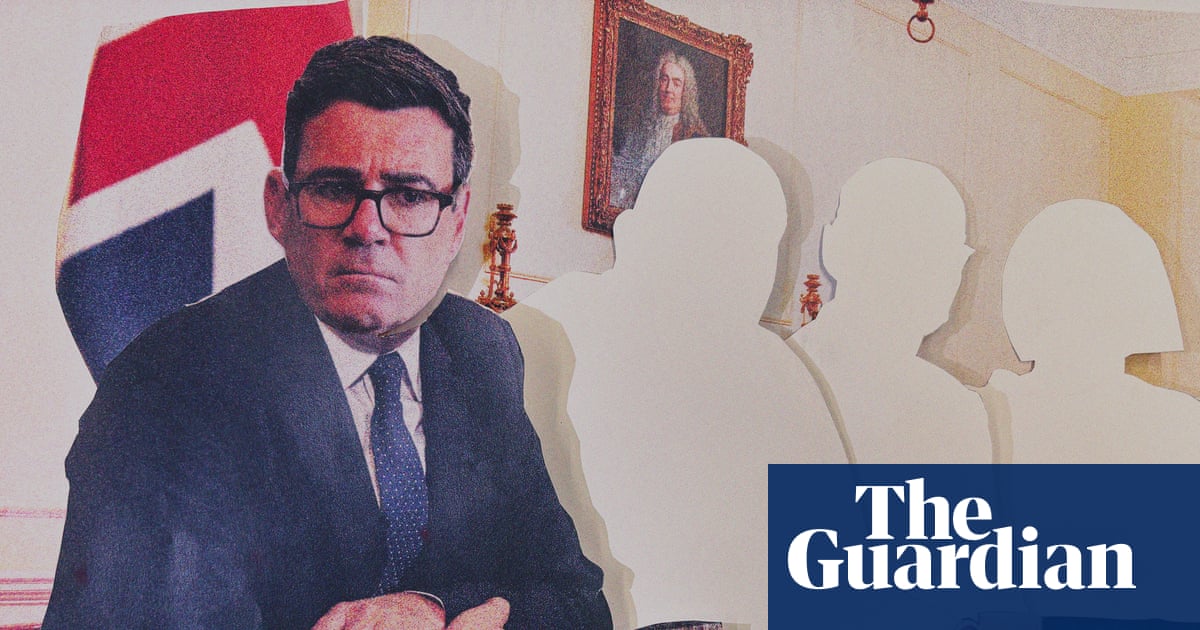
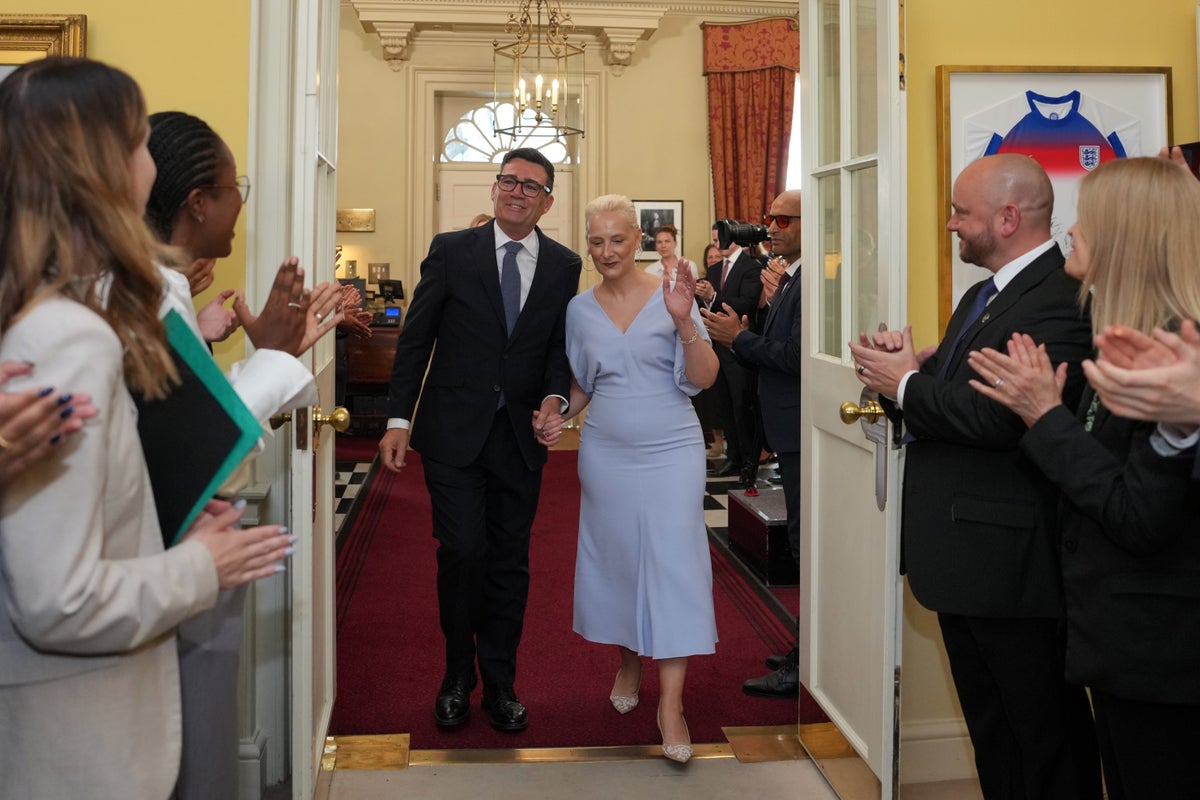
Andy Burnham has officially been sworn in as Prime Minister following the resignation of Sir Keir Starmer. The transition took place on Monday, with Starmer tendering his resignation to the King at Buckingham Palace before Burnham was invited to form a new government.
Andy Burnham Forms a Government at Downing Street
Upon returning to Downing Street, the new Prime Minister initiated a significant cabinet reshuffle, marking the beginning of his tenure as the seventh prime minister since 2016. In his inaugural address from the steps of Number 10, Burnham called for a "new national sense of unity" and announced plans to deliver a ten-year strategy later this year, alongside immediate measures to address the cost of living.
New Cabinet Appointments
Burnham’s new government team includes several key figures in senior roles:
- Chancellor of the Exchequer: John Healey
- Foreign Secretary: Ed Miliband
- Home Secretary: Shabana Mahmood (retained)
- First Secretary of State, Chancellor of the Duchy of Lancaster, and Minister for the Cabinet Office: Louise Haigh
John Healey Replaces Rachel Reeves as Chancellor
The appointment of John Healey as Chancellor follows a period of intense speculation regarding the Treasury position. While Ed Miliband and Shabana Mahmood were both previously identified as potential candidates for the role, Miliband was ultimately named Foreign Secretary, and Mahmood confirmed she would remain at the Home Office to continue her work on immigration reforms. Louise Haigh, who managed Burnham’s Makerfield campaign, assumes a central role as a key power broker in the new administration.

For more on this story, see Andy Burnham Becomes UK Prime Minister and Pledges to End Political Instability.
Departures from Government
The formation of the new cabinet necessitated the departure of several ministers from Sir Keir Starmer’s previous government. Notable exits include:
- Rachel Reeves: Stepped down as Chancellor of the Exchequer.
- David Lammy: Former Deputy Prime Minister and Foreign Secretary, who confirmed he is returning to the backbenches.
- Steve Reed: Outgoing Housing Secretary.
- Peter Kyle: Former Business and Trade Secretary.
- Liz Kendall: Former Secretary for Science, Innovation and Technology.
- Jo Stevens: Former Secretary of State for Wales.
- Hilary Benn: Outgoing Secretary of State for Northern Ireland.
- Lord Richard Hermer: Former Attorney General.
- Darren Jones: Former Chief Secretary to Sir Keir Starmer.
Lord James Timpson and Lord Patrick Vallance Resign
In addition to these cabinet-level changes, junior ministers also vacated their posts. Lord James Timpson, who served as prisons minister, was the first to resign ahead of the reshuffle. He was followed by Lord Patrick Vallance, who held a portfolio covering science, innovation, research, and nuclear affairs.
This follows our earlier report, Andy Burnham Becomes UK Prime Minister Following Keir Starmer’s Resignation.
Ministerial Transitions and Context
The reshuffle saw various reactions from departing ministers. In a statement regarding her departure, Rachel Reeves noted that the economy is "stronger, fairer and more resilient" due to the actions taken by the Labour government over the past two years. David Lammy, reflecting on his time in government, described his service as the "greatest privilege of my life."
Read also: Andy Burnham promises to end Labour infighting as he becomes party’s leader.
Andy Burnham Transitions from Mayor of Greater Manchester to Prime Minister
According to Independent, allies of Reeves indicated she was offered a position in the new government but chose to decline it. Other departing ministers, including Hilary Benn and Lord Hermer, have publicly stated their intention to support the new administration from the backbenches.
The new cabinet is tasked with delivering the policy agenda set out by the Prime Minister in the coming months.
Sources: Theguardian.
Worth a look