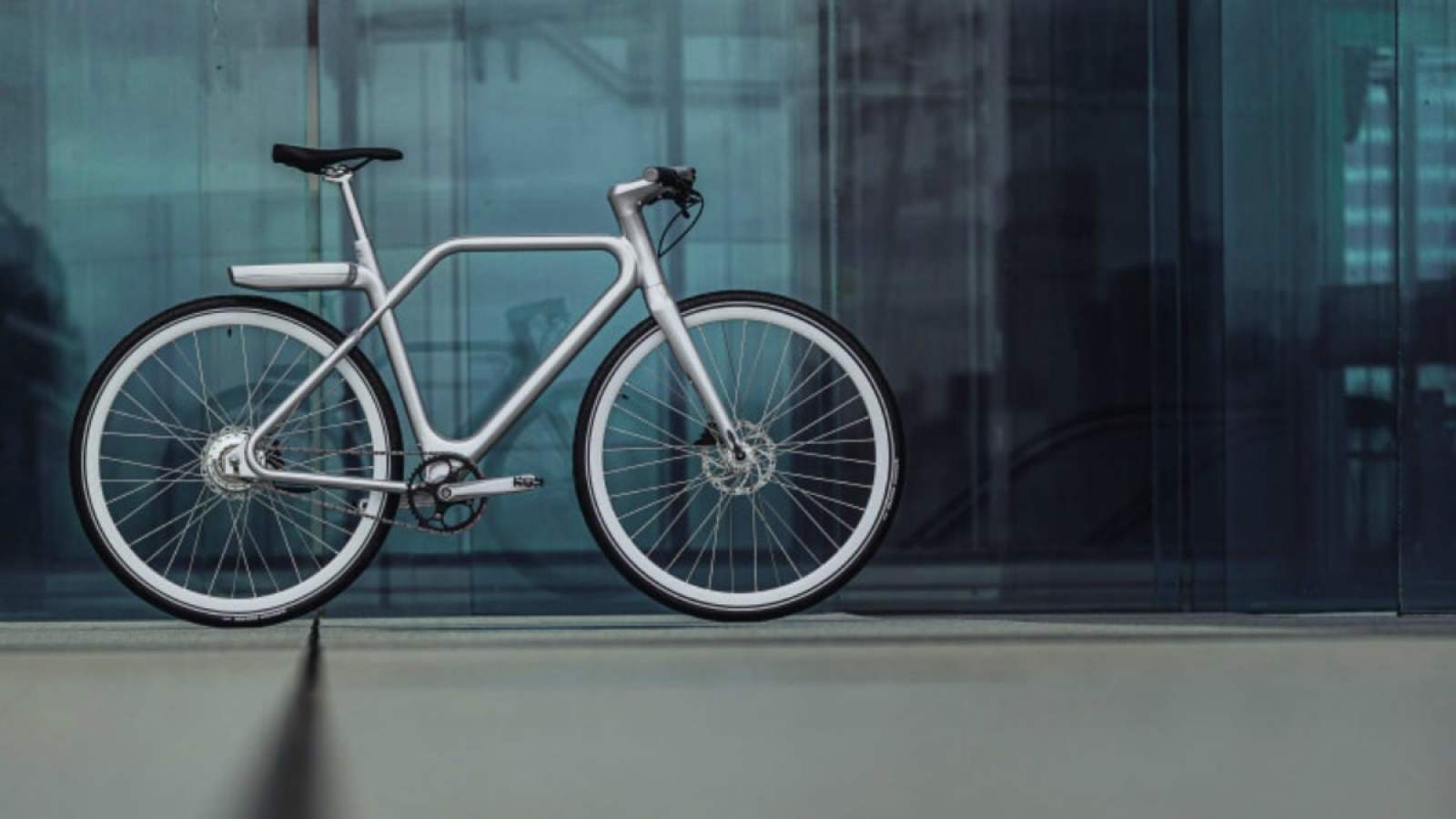
The collapse of French electric bike manufacturer Angell Mobility has left behind a complex trail of financial liabilities and unresolved technical disputes, culminating in a reported 57 million euro deficit. Following the company’s placement into receivership and subsequent acquisition by the group revolving around the founders of Crosscall, court filings and internal industrial assessments reveal a pattern of structural failures and operational strain that ultimately outpaced the firm’s capital reserves. As the brand transitions under new ownership, stakeholders and customers are now navigating the fallout of a business model that prioritized high-end design and integrated software, but struggled with critical hardware reliability.
Financial Liabilities and the Path to Receivership
The financial situation surrounding Angell Mobility became public as the company faced insurmountable pressure from its mounting debt. According to legal documentation and reports regarding the firm’s insolvency proceedings, the company accumulated liabilities totaling approximately 57 million euros. This figure highlights the significant gap between the initial venture capital investment and the actual revenue generated by unit sales. The fiscal instability was compounded by the high costs associated with maintaining a proprietary software ecosystem and a design-heavy manufacturing process that proved difficult to scale efficiently.

The insolvency process, managed by the Paris Commercial Court, led to the eventual sale of the company’s assets. In early 2024, the court approved the takeover of Angell by a consortium linked to Cyril Vidal, the founder of the rugged smartphone brand Crosscall. This acquisition was intended to preserve the brand’s intellectual property and service existing customers, though it did not absolve the previous entity of its outstanding debts or the legal challenges brought by creditors and former partners. The transition marked the end of an era for the startup, which had once been positioned as a premium player in the urban mobility sector.
Hardware Reliability: The Case of the Fractured Frames
Beyond the financial ledger, Angell faced significant scrutiny regarding the structural integrity of its flagship electric bicycles. Reports from multiple users and technical audits conducted by industry analysts identified recurring issues with the bike frames, specifically regarding fatigue and cracking in critical stress zones. These technical failures were not merely cosmetic; they forced the company into a series of reactive recalls and warranty claims that strained both its reputation and its liquid assets.

The industrial autopsy of these failures points to a disconnect between the aesthetic requirements of the bike’s design—which featured a unique, minimalist frame geometry—and the material stresses encountered during daily urban commuting. While the company initially marketed the bike as a high-tech, lightweight solution for city dwellers, the mechanical reality of the frame composition required more robust reinforcement than the initial manufacturing batches provided. For many owners, the lack of timely spare parts and the difficulty in securing authorized repairs became a primary point of contention, leading to an increase in formal complaints filed with consumer protection agencies.
Legal Challenges and Consumer Impact
The aftermath of Angell’s financial decline has triggered a wave of litigation, primarily focused on consumer rights and warranty fulfillment. As the company entered court-ordered restructuring, many customers found themselves with “bricked” hardware—bikes that remained functional as mechanical transport but lost the connected features, such as integrated GPS and anti-theft systems, that were central to the product’s value proposition. The legal proceedings are currently addressing how the new ownership structure handles these legacy obligations.
The situation serves as a case study in the risks of “smart” hardware, where a product’s utility is tethered to the continued existence and solvency of the parent company. According to records of the proceedings, the court-appointed administrators have been tasked with balancing the liquidation of old debts against the operational requirements of the new entity. For affected consumers, the primary recourse has involved navigating the administrative processes set forth by the court, often with limited information regarding the long-term support for their specific bike models.
Looking Ahead: The Future of the Brand
The brand now operates under the umbrella of new leadership, with a stated focus on industrial stabilization rather than the rapid, venture-backed expansion that characterized its early years. The immediate priority for the current management is to restore supply chain reliability and address the backlog of service requests. However, the shadow of the previous 57-million-euro deficit remains a significant hurdle for the brand’s long-term market perception.

Stakeholders awaiting further updates on the legal status of their claims or the availability of replacement parts are advised to monitor the official communications from the new ownership group. The Paris Commercial Court continues to oversee the final stages of the liquidation process, which will eventually determine the final settlement for creditors. As the market for electric micro-mobility continues to mature, the collapse of Angell stands as a cautionary example of the volatility inherent in hardware startups that rely heavily on integrated software and premium, proprietary components.
Updates regarding the liquidation timeline and any potential class-action developments will be issued through official court filings. Readers with information regarding ongoing consumer disputes are encouraged to share their experiences in the comments section below, provided they can verify their documentation.