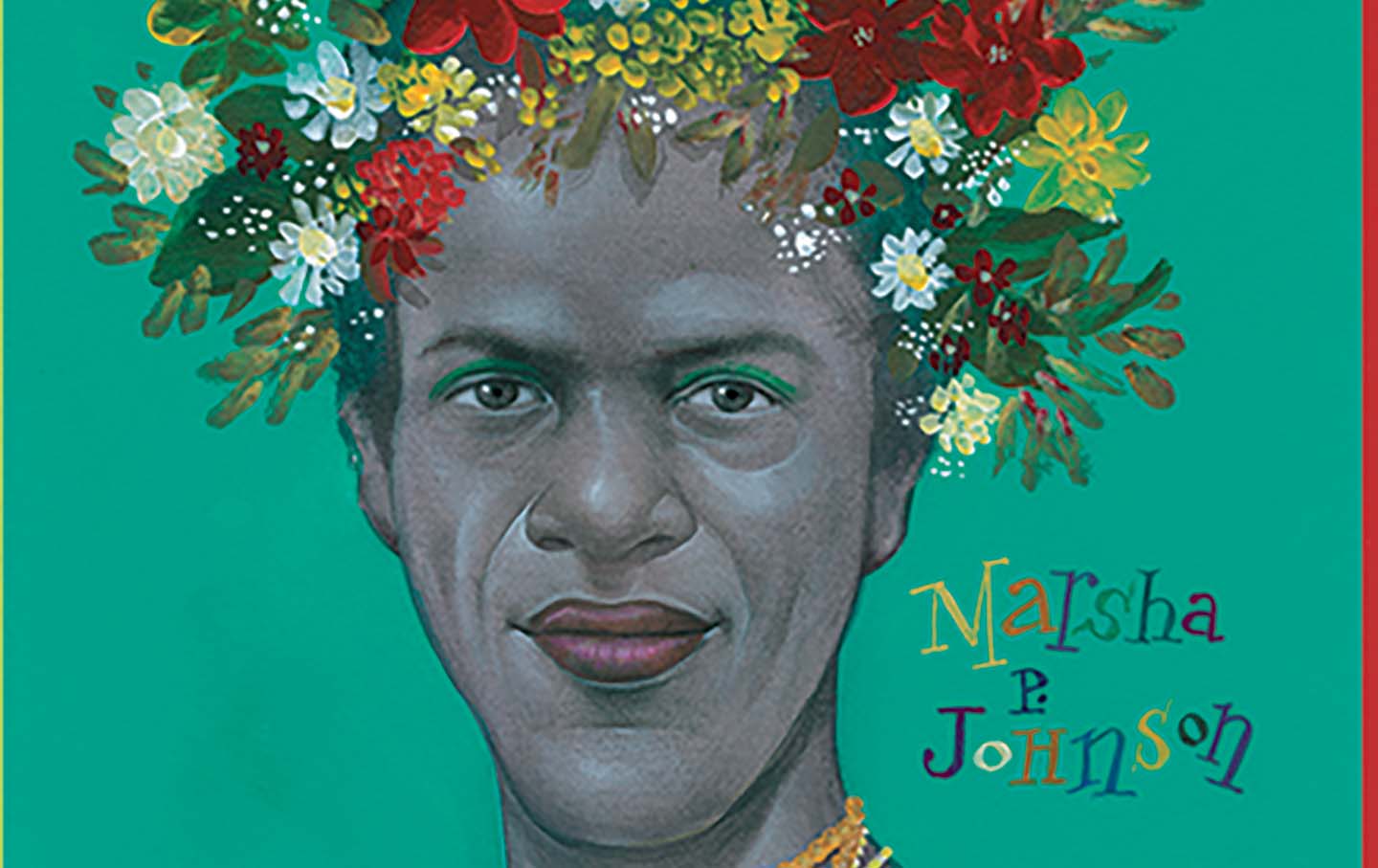
Marsha P. Johnson was a central figure in the LGBTQ rights movement and a prominent activist in New York City during the late 20th century. Known for her advocacy for homeless LGBTQ youth and her presence at the 1969 Stonewall Uprising, Johnson’s legacy continues to influence contemporary civil rights discourse. Her life and activism, characterized by a commitment to marginalized communities, remain a focal point for historians studying the evolution of queer liberation in the United States.
Born Malcolm Michaels Jr. in Elizabeth, New Jersey, in 1945, Johnson later moved to Greenwich Village, where she became a fixture of the local community. According to the National Park Service, she adopted the name Marsha P. Johnson, with the “P” standing for “Pay It No Mind,” a phrase she frequently used to deflect questions about her gender identity. Her work was defined by survival, community support, and a persistent challenge to the systemic discrimination faced by transgender people and sex workers in the 1960s and 1970s.
The Role of Johnson in the Stonewall Uprising
The Stonewall Uprising, which began in June 1969, is widely recognized as a turning point in the struggle for LGBTQ equality. Johnson was present during the protests at the Stonewall Inn, a bar in Manhattan’s Greenwich Village, following a police raid on June 28, 1969. Historical accounts vary regarding the specific actions of individual participants, but Johnson is frequently cited by contemporaries and historians as a key figure who helped sustain the momentum of the protests that continued for several nights.

Following the events at Stonewall, Johnson became increasingly involved in organized activism. In 1970, she co-founded the Street Transvestite Action Revolutionaries (STAR) alongside Sylvia Rivera. The organization provided housing, food, and emotional support to homeless queer youth and transgender individuals in New York City. The establishment of STAR reflected a broader shift in the movement, moving beyond protest toward the creation of mutual aid networks for those most vulnerable to poverty and state-sanctioned violence.
Activism and Advocacy for Marginalized Communities
Johnson’s activism was not limited to the period immediately following Stonewall. Throughout the 1970s and 1980s, she participated in the Gay Liberation Front and continued her advocacy during the onset of the HIV/AIDS epidemic. As reported by the Smithsonian Magazine, Johnson was a dedicated member of ACT UP (AIDS Coalition to Unleash Power), engaging in direct action to demand better medical treatment and government attention for those living with the virus.
Her life was marked by frequent encounters with the legal system and homelessness, challenges that she addressed through her advocacy for housing rights and protections against police harassment. Despite these hardships, Johnson maintained a public presence, often performing with the drag troupe Hot Peaches. Her approach to activism was grounded in the lived experience of poverty and marginalization, which distinguished her work from more assimilationist segments of the early gay rights movement.
Legacy and Historical Recognition
Marsha P. Johnson died on July 6, 1992, at the age of 46. Her body was found in the Hudson River off the piers of the West Village. Initially, the New York Police Department ruled her death a suicide, a conclusion that was met with skepticism by her friends and fellow activists, who pointed to the lack of evidence and the history of anti-LGBTQ violence in the area. In 2002, following persistent pressure from community members, the NYPD agreed to reclassify the cause of death as “undetermined,” though the case remains officially open, according to records from the New York City Police Department.

In recent years, institutional recognition of Johnson’s contributions has grown. In 2019, the City of New York announced plans to erect a monument in her honor at the East River Park, making her one of the first transgender individuals to be memorialized with a permanent public monument in the city. Her image and story have become iconic symbols of the intersectional nature of the fight for human rights, emphasizing the necessity of centering the most vulnerable in the pursuit of social justice.

For those seeking primary source documentation regarding the history of the LGBTQ rights movement in New York, the Schomburg Center for Research in Black Culture holds extensive archives that document the lives and contributions of activists from the era. Ongoing research continues to shed light on the structural barriers that Johnson and her contemporaries faced, providing a clearer understanding of the history of the struggle for equality.
Updates regarding historical inquiries or public commemorations are typically issued by the New York City Department of Cultural Affairs. Readers are encouraged to share their thoughts on the historical impact of these activist legacies in the comments section below.
Keep reading