
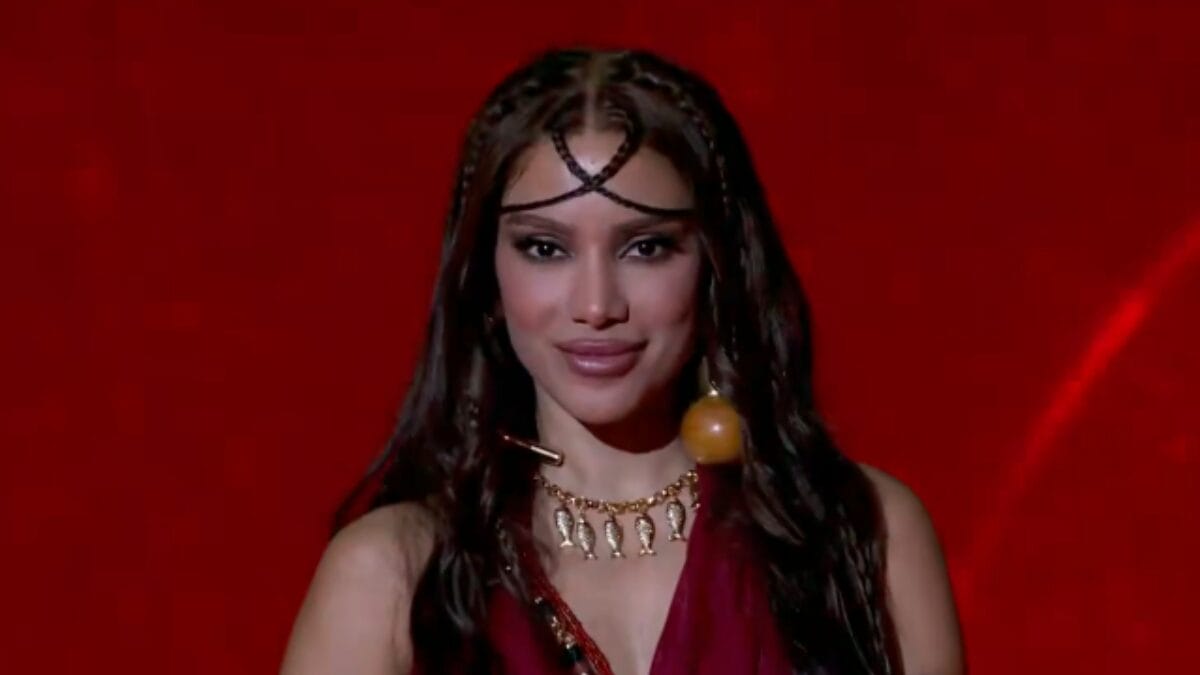
A musical showcase intended to preview a new creative era for global pop star Anitta has instead ignited a fierce debate over religious tolerance in Brazil. Following a high-profile appearance on TV Globo’s “Domingão com Huck,” the singer became the target of widespread social media attacks after incorporating references to African-matrix religions into her performance.
The controversy unfolded on Sunday, April 5, 2026, when Anitta appeared on the program to perform a series of hits and provide a first look at her upcoming studio album, “Equilibrium.” While the performance was designed to build anticipation for the new project, the timing and thematic content of one specific song triggered a wave of backlash from viewers who viewed the presentation as an affront to Christian traditions.
At the center of the storm is “Meia-noite,” a track characterized by an engaging beat and explicit references to Candomblé. Because the performance aired on Easter Sunday—one of the most significant dates in the Christian calendar—certain segments of the audience reacted with hostility, transforming a televised artistic expression into a flashpoint for religious conflict.
The ‘Equilibrium’ Preview and the ‘Meia-noite’ Performance
Anitta used her platform on “Domingão com Huck” to signal a shift in her musical and spiritual direction. The performance served as a promotional vehicle for “Equilibrium,” her new studio album which is scheduled for release on April 16, 2026 according to reports on the artist’s upcoming launch.
The song “Meia-noite” specifically drew attention for its integration of Candomblé elements. Candomblé is a religion of African origin practiced primarily in Brazil, and the song’s lyrics and rhythmic structure were intended to honor these roots. Still, the intersection of these cultural markers with the timing of the broadcast created a volatile environment on digital platforms.
Social Media Backlash and Allegations of ‘Affront’
The reaction was almost immediate across platforms such as X (formerly Twitter) and Instagram. Spectators began flooding the official profiles of the “Domingão” program, with many classifying the choice to feature Anitta’s Candomblé-influenced performance on Easter Sunday as an “afronta” (affront). The critics argued that the content was inappropriate for the sanctity of the holiday.
While some viewers called for the artist to be criticized for the timing of the performance, fans of the pop star moved quickly to defend her. Supporters argued that the performance was a purely artistic expression and that the singer was not attacking any specific faith, but rather sharing her own cultural and musical influences. This divide highlighted a deep-seated tension regarding the visibility of African-matrix religions on mainstream national television.
Anitta’s Response to Religious Intolerance
Although the singer initially avoided direct commentary on the specific controversies surrounding the broadcast, she eventually addressed the situation by sharing a pointed reflection on religious intolerance. Anitta reposted a message that utilized the central figure of the holiday to rebuke the violence of the critics.
The shared text read: “Jesus ressuscitou. Ele está presente em todos os lugares, menos no seu discurso violento, criminoso e cheio de intolerância religiosa” (“Jesus has risen. He is present everywhere, except in your violent, criminal discourse full of religious intolerance”) as detailed in the artist’s social media response.
By framing the response this way, Anitta shifted the conversation from the “appropriateness” of her performance to the legality and morality of religious intolerance. In Brazil, religious intolerance—particularly against religions of African origin—is a recognized social and legal issue, often manifesting as harassment or violence against practitioners of Candomblé and Umbanda.
Understanding the Impact of Religious Intolerance
The reaction to Anitta’s performance is not an isolated incident but reflects a broader systemic challenge in Brazil. The tension between the dominant Christian narratives and African-matrix religions often surfaces when the latter gain visibility in public spaces or mass media. When an artist of Anitta’s global stature brings these elements to a prime-time slot on TV Globo, it forces a national conversation on whether the public sphere is truly inclusive of all faiths.
For many, the backlash against “Meia-noite” is seen as a textbook example of religious intolerance, where the mere presence of non-Christian symbols is perceived as an attack on the majority faith. Conversely, the defense of the artist emphasizes the importance of cultural pluralism and the right to artistic freedom, regardless of the calendar date.
Key Context: African-Matrix Religions in Brazil
To understand why the performance of “Meia-noite” caused such a stir, it is necessary to recognize the historical context of Candomblé. As a religion brought to Brazil by enslaved Africans, Candomblé has faced centuries of marginalization and persecution. The integration of its rhythms and spiritual references into pop music is often seen by practitioners as a form of resistance and cultural reclamation.
When these elements are presented on a platform as influential as “Domingão com Huck,” they challenge the traditional norms of what is considered “acceptable” for a general audience, particularly during religious holidays. The ensuing conflict is less about the music itself and more about the power dynamics of religious visibility in Brazilian society.
The music industry has seen a growing trend of artists exploring their spiritual roots, but the reaction to Anitta’s “Equilibrium” era suggests that the gap between artistic exploration and public acceptance remains wide. The controversy underscores the reality that for many artists, the act of performing their heritage is a political statement, whether intended or not.
The next major milestone for the artist will be the official release of the “Equilibrium” album on April 16, 2026. It remains to be seen if the controversy surrounding “Meia-noite” will influence the reception of the full project or further galvanize support for the fight against religious intolerance in the arts.
We invite our readers to share their thoughts on the intersection of art and faith in the comments below. Do you believe artistic expression should be subject to the calendar of religious holidays, or is the backlash a sign of systemic intolerance?