Anker Phases Out Soundcore Brand in Major Rebranding Move
In a significant shift for the audio technology landscape, Anker Innovations has announced the retirement of its popular Soundcore brand, consolidating its product lines under a new umbrella: Anker Sound & Video. The move, confirmed by the company earlier this week, marks the complete of an era for Soundcore, which has been a staple in the wireless audio market for nearly a decade. The rebranding reflects Anker’s broader strategy to streamline its portfolio and align its offerings under a unified identity, though the transition has left some consumers and industry analysts questioning what this means for the future of the products they’ve come to rely on.
For years, Soundcore has been synonymous with affordable, high-quality audio solutions, from wireless earbuds to portable speakers and sleep-focused headphones. The brand’s reputation for delivering premium sound at competitive prices earned it a loyal following, with over 52 million global users and more than 85 million units sold, according to Anker’s official figures. Now, as the company prepares to fold Soundcore into its new Anker Sound & Video division, the industry is watching closely to see how this consolidation will impact product innovation, pricing, and consumer trust.
Anker has not yet released a detailed timeline for the transition, but the company has assured customers that existing Soundcore products will continue to receive support, including firmware updates and customer service. However, the rebranding raises questions about the future of Soundcore’s distinctive product lines, such as its Sleep A30 headphones, which have been marketed as the world’s leading sleep-focused audio solution, and its popular AeroFit 2 Pro earbuds, designed for all-day wear. Will these products be rebranded under the Anker name, or will they disappear entirely? For now, the company has remained tight-lipped about specific product-level changes, leaving consumers to speculate about the fate of their favorite devices.
The Rise of Soundcore: A Decade of Disruption
Soundcore was launched by Anker in 2014 as a standalone brand focused on democratizing high-quality audio. At a time when premium wireless headphones and earbuds were dominated by high-end brands like Bose, Sony, and Sennheiser, Soundcore carved out a niche by offering comparable performance at a fraction of the cost. The brand’s success was built on a combination of aggressive pricing, innovative features, and a direct-to-consumer sales model that bypassed traditional retail markups.
One of Soundcore’s most notable achievements was its ability to compete with industry giants in the true wireless earbuds market. Products like the Liberty 4 and Space A40 earbuds offered active noise cancellation (ANC), long battery life, and customizable sound profiles at prices well below $100. This affordability made Soundcore a favorite among budget-conscious consumers, particularly younger audiences and tech enthusiasts who prioritized value without sacrificing performance.
The brand also made waves in niche markets, such as sleep audio. Its Sleep A10 and Sleep A30 headphones, designed to be worn comfortably while lying down, became bestsellers among people struggling with insomnia or those who simply wanted to block out ambient noise at night. Anker’s claim that Soundcore was the “world’s No. 1 sleep headphones brand” was bolstered by strong sales and positive reviews from users who praised the products for their comfort and effectiveness.
Beyond headphones, Soundcore expanded into portable speakers, projectors, and even AI-powered audio solutions. The company’s Anker Thus, billed as the world’s first neural-net compute-in-memory AI audio chip, was a standout innovation, promising to enhance sound quality and noise cancellation in real time. These advancements positioned Soundcore not just as a budget brand, but as a legitimate contender in the broader audio technology space.
Why the Rebrand? Anker’s Strategic Shift
Anker’s decision to retire the Soundcore brand and consolidate its audio and video products under the Anker Sound & Video umbrella appears to be part of a larger strategic pivot. While the company has not provided an official explanation for the rebranding, industry analysts suggest several possible motivations behind the move.
- Simplifying the Brand Portfolio: Anker has grown rapidly over the past decade, acquiring and launching multiple sub-brands across different product categories. In addition to Soundcore, Anker’s portfolio includes Anker Power (charging solutions), Eufy (smart home devices), and Nebula (projectors). Consolidating Soundcore under the Anker name could be an effort to reduce complexity for consumers and streamline marketing efforts.
- Strengthening the Anker Brand: Anker has built a strong reputation for reliability and innovation in the tech accessories space, particularly in charging solutions. By bringing Soundcore under the Anker umbrella, the company may be aiming to leverage its established brand equity to boost consumer confidence in its audio and video products. This could be particularly important as Anker expands into new markets, such as smart home devices and AI-powered audio solutions.
- Preparing for Future Growth: The rebranding could signal Anker’s ambitions to compete more directly with established audio brands like Sony, Bose, and Apple. By unifying its product lines under a single brand, Anker may be positioning itself to launch more premium offerings or pursue partnerships with other tech companies. The inclusion of “Video” in the new division’s name also hints at a broader focus beyond audio, potentially encompassing projectors, smart displays, and other multimedia devices.
- Addressing Market Saturation: The wireless audio market has become increasingly crowded in recent years, with new players entering the space and established brands expanding their product lines. By consolidating Soundcore under Anker, the company may be seeking to differentiate itself more clearly from competitors and avoid brand dilution in an oversaturated market.
Despite these potential benefits, the rebranding is not without risks. Soundcore has cultivated a strong identity and loyal customer base over the years, and some consumers may view the consolidation as a step backward. Others may worry that the move could lead to higher prices or a reduction in the variety of products available under the Soundcore name.
What Happens to Soundcore Products?
One of the biggest questions surrounding Anker’s rebranding is the fate of Soundcore’s existing product lines. Will popular products like the Space 2 headphones, the Liberty 4 earbuds, and the Sleep A30 headphones be discontinued, rebranded, or simply absorbed into Anker’s existing lineup?

Anker has provided some reassurance to customers, stating that existing Soundcore products will continue to be supported with firmware updates, customer service, and warranty coverage. However, the company has not clarified whether new versions of these products will be released under the Anker name or if they will be phased out entirely. This uncertainty has left some consumers concerned about the long-term viability of their favorite Soundcore devices.
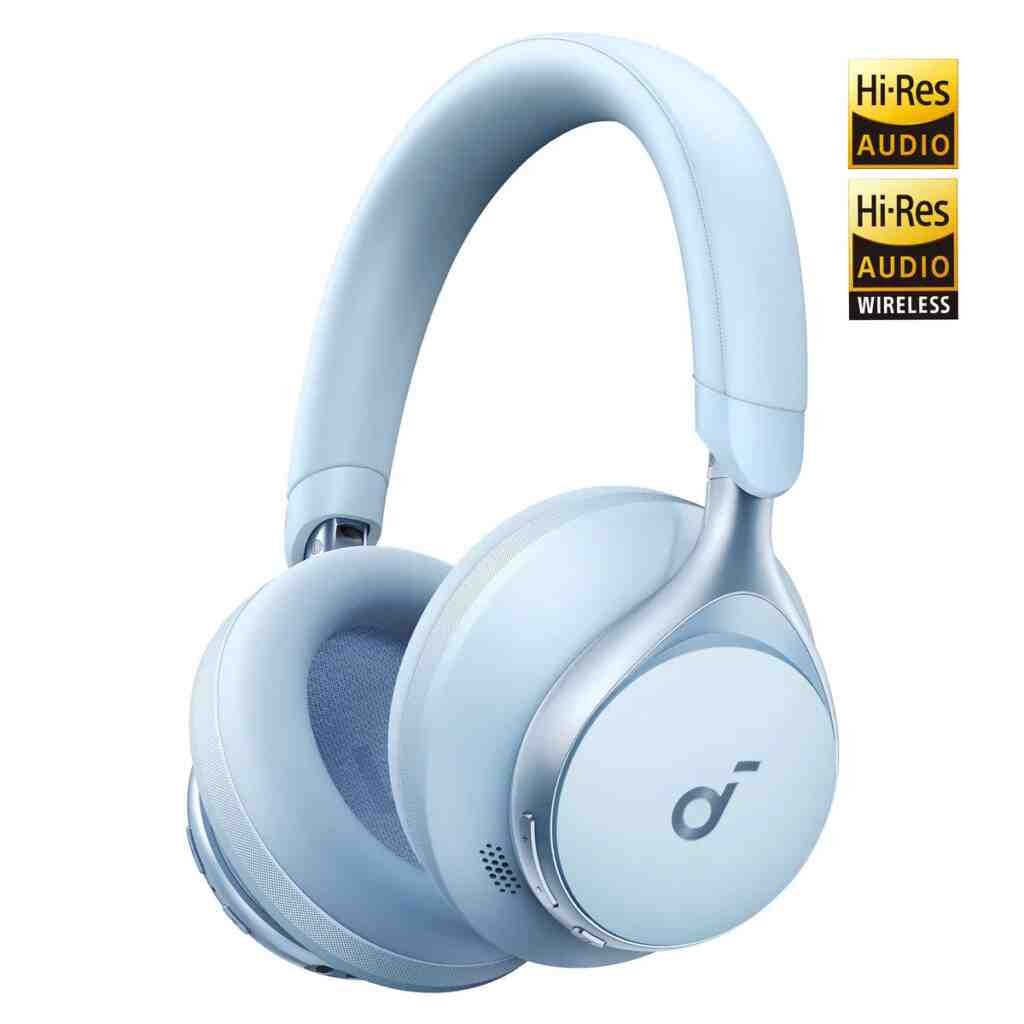
For example, the Space 2 headphones, which have received widespread acclaim for their noise-canceling capabilities and comfort, are a flagship product for Soundcore. If Anker decides to discontinue the Space 2 in favor of a new Anker-branded model, it could alienate loyal customers who have come to rely on the product’s specific features and performance.
Similarly, Soundcore’s sleep-focused headphones, such as the Sleep A30, have carved out a unique niche in the market. These products are designed with features like ultra-soft headbands and pressure-free ear cups, making them ideal for side sleepers. If Anker phases out these products or rebrands them without preserving their unique design elements, it could abandon a gap in the market that competitors may be quick to fill.
Anker has also not addressed whether it will continue to invest in Soundcore’s innovative technologies, such as its Anker Thus AI audio chip. This chip, which promises to deliver real-time sound optimization and noise cancellation, was a key differentiator for Soundcore in the competitive wireless audio market. If Anker shifts its focus away from these technologies, it could weaken the brand’s competitive edge.
Consumer Reactions: Mixed Feelings and Uncertainty
The announcement of Soundcore’s rebranding has sparked a range of reactions from consumers, industry analysts, and tech enthusiasts. While some see the move as a natural evolution for Anker, others are skeptical about the potential impact on product quality, pricing, and innovation.
On social media platforms like Reddit and Twitter, many users have expressed concern about the future of Soundcore’s products. Some have speculated that the rebranding could lead to higher prices, as Anker may seek to position its audio products as more premium offerings. Others have questioned whether Anker will continue to prioritize the same level of innovation and affordability that made Soundcore a standout brand.
Anker killing off Soundcore is a bummer. Their earbuds were the only ones that could compete with AirPods at half the price. Hope they don’t jack up the prices now. pic.twitter.com/5QJQZJQZJp
— TechGuru (@TechGuruReviews) April 25, 2026
Industry analysts, meanwhile, have offered a more measured perspective. Some believe that the rebranding could be a positive step for Anker, allowing the company to leverage its established brand recognition to compete more effectively in the audio market. Others, however, caution that the move could backfire if Anker fails to maintain the quality and affordability that made Soundcore a success.
“Soundcore has been a disruptor in the wireless audio space, offering high-quality products at prices that undercut the competition,” said Neil Shah, a senior analyst at Counterpoint Research. “If Anker can preserve that value proposition under the new brand, it could be a smart move. But if they start treating these products as premium offerings, they risk losing the exceptionally customers who made Soundcore a success.”
What’s Next for Anker Sound & Video?
As Anker prepares to roll out its new Anker Sound & Video division, the company has provided few details about its plans for the future. However, there are several key areas to watch as the rebranding unfolds:

- Product Launches: Will Anker introduce new audio and video products under the Anker Sound & Video brand, or will it focus on rebranding existing Soundcore products? Consumers will be eager to see whether Anker continues to innovate in areas like AI-powered audio, sleep-focused headphones, and portable projectors.
- Pricing Strategy: One of Soundcore’s biggest selling points was its affordability. If Anker shifts its pricing strategy to position Anker Sound & Video as a premium brand, it could alienate budget-conscious consumers who have come to rely on Soundcore’s competitive pricing.
- Retail and Distribution: Soundcore has traditionally relied on a direct-to-consumer sales model, selling its products through its own website and platforms like Amazon. Will Anker expand the distribution of its audio and video products to include brick-and-mortar retailers, or will it continue to focus on online sales?
- Marketing and Branding: How will Anker market its new Anker Sound & Video division? Will it emphasize the brand’s heritage as Soundcore, or will it seek to distance itself from the past and establish a new identity? The company’s marketing strategy will be critical in determining how consumers perceive the rebranding.
- Competition: The wireless audio market is more competitive than ever, with brands like Sony, Bose, Apple, and Samsung dominating the space. Anker will require to differentiate itself clearly if it hopes to maintain its market share under the new brand.
For now, consumers are left with more questions than answers. Anker has not yet announced a timeline for the rebranding, nor has it provided details about how existing Soundcore products will be integrated into the new Anker Sound & Video division. What is clear, however, is that this move represents a significant shift for the company—and for the millions of consumers who have come to rely on Soundcore’s products.
Key Takeaways for Consumers
As Anker transitions from Soundcore to Anker Sound & Video, here are the key points consumers should keep in mind:
- Existing Products Will Be Supported: Anker has confirmed that current Soundcore products will continue to receive firmware updates, customer service, and warranty coverage. However, the company has not clarified whether new versions of these products will be released under the Anker name.
- Uncertainty About Future Innovations: It remains unclear whether Anker will continue to invest in Soundcore’s innovative technologies, such as its AI-powered audio chips and sleep-focused headphones. Consumers who value these features may want to monitor the company’s future product announcements closely.
- Potential Price Changes: While Anker has not indicated any plans to raise prices, the rebranding could signal a shift toward more premium positioning. Budget-conscious consumers may want to accept advantage of current pricing on Soundcore products before the transition is complete.
- Brand Identity in Flux: Soundcore has built a strong reputation for affordability, innovation, and quality. As Anker consolidates the brand under its own name, consumers may need to adjust their expectations and stay informed about how the company’s strategy evolves.
- Stay Tuned for Updates: Anker has not yet released a detailed timeline for the rebranding. Consumers should keep an eye on the company’s official channels for updates on product availability, pricing, and new launches.
The Road Ahead
Anker’s decision to retire the Soundcore brand and launch Anker Sound & Video marks a pivotal moment for the company and its customers. While the move could streamline Anker’s product portfolio and strengthen its brand identity, it also raises questions about the future of Soundcore’s beloved products and innovative technologies. For now, consumers are left to wait and see how the rebranding unfolds—and whether Anker can preserve the qualities that made Soundcore a standout in the competitive audio market.
The next official update from Anker is expected in the coming weeks, with the company likely to provide more details about its plans for the Anker Sound & Video division. In the meantime, consumers can stay informed by following Anker’s official website and social media channels for the latest news.
What do you reckon about Anker’s decision to rebrand Soundcore? Will this move strengthen the company’s position in the audio market, or could it alienate loyal customers? Share your thoughts in the comments below, and don’t forget to follow World Today Journal for the latest updates on this developing story.
Keep reading