
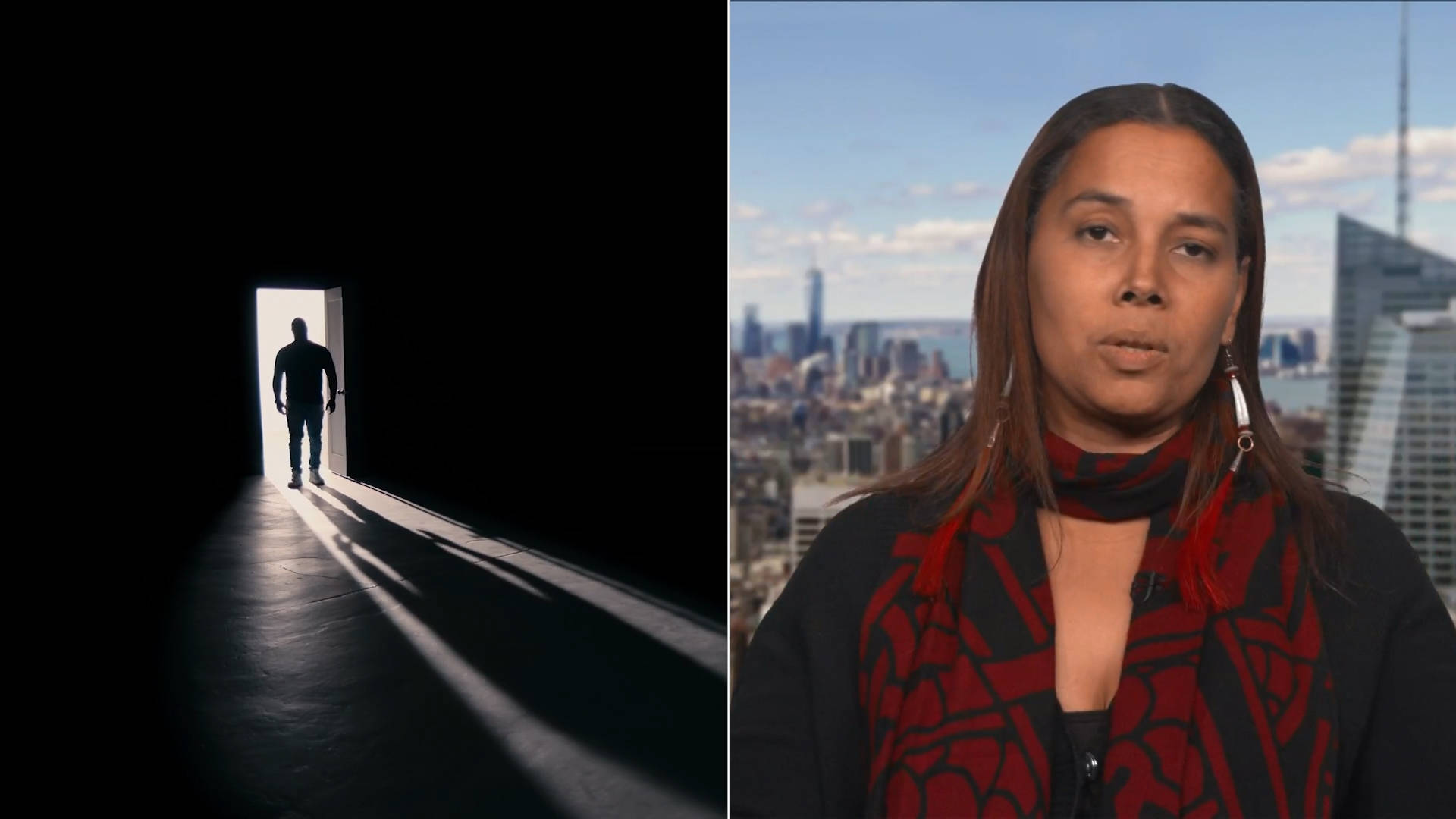
Grammy Award-winning musician Rhiannon Giddens released a new music video for her song “Another Wasted Life” on October 2, 2023, to coincide with International Wrongful Conviction Day. The project serves as a tribute to Kalief Browder, a young man from the Bronx who died by suicide in 2015 after spending three years detained at Rikers Island, despite never being convicted of a crime. The song highlights the systemic issues of the American criminal justice system, specifically focusing on the long-term impacts of wrongful incarceration and the use of solitary confinement.
Browder’s case gained national attention after he was arrested at age 16 for allegedly stealing a backpack, a charge that was eventually dismissed. According to reporting by The New Yorker, Browder spent nearly two years of his detention in solitary confinement, where he faced significant psychological distress and physical abuse from both staff and other inmates. His death at age 22 became a rallying point for advocates seeking to reform juvenile justice policies and end the practice of solitary confinement for young detainees.
The Vision Behind “Another Wasted Life”
The music video for “Another Wasted Life” features 22 individuals who were previously incarcerated for crimes they did not commit. These participants have collectively served more than 500 years in prison. Giddens collaborated with the Pennsylvania Innocence Project to bring these stories to the forefront, aiming to humanize the statistics often associated with wrongful convictions. The visual narrative is designed to place the faces of those affected by the justice system directly in front of the viewer, emphasizing the personal cost of legal errors.
Among those featured are David Bryant and Tyrone Jones, two men who each spent 40 years behind bars before their exonerations. The video also highlights seven other men who each served more than 25 years in prison for crimes they did not commit. By platforming these individuals, Giddens seeks to address the broader structural failures that lead to the loss of decades of human life, drawing a direct line from Browder’s experience to the experiences of thousands of others across the United States.
The Legacy of Kalief Browder
Kalief Browder’s death prompted significant policy shifts in New York City regarding the treatment of adolescent inmates. Following his death, the city moved to prohibit solitary confinement for inmates aged 21 and younger in municipal jails. According to official announcements from the New York City Department of Correction, this policy change was part of a broader effort to address the “cycle of violence” and mental health crises within the Rikers Island facility. Despite these changes, advocates continue to argue that the underlying issues of bail reform and the speed of trials remain unresolved.

The emotional weight of Browder’s story was magnified by the release of a documentary series, TIME: The Kalief Browder Story, which aired in 2017. The series utilized surveillance footage from the jail to document the conditions Browder endured. For many, his story serves as a primary example of how the pretrial detention system can dismantle the life of a minor, even when charges are eventually dropped or proven false.
Advocacy and the Innocence Movement
The involvement of organizations like the Pennsylvania Innocence Project highlights the ongoing work of legal nonprofits dedicated to exonerating the wrongfully convicted. These groups often work for years to secure the DNA evidence or witness testimony required to overturn decades-old convictions. International Wrongful Conviction Day, observed annually on October 2, is organized by the Innocence Project and its global network to raise awareness of the causes of wrongful conviction and to support those who have been released.
Giddens’ work serves as a cultural bridge for these legal issues. By utilizing the medium of song, she brings the statistics of wrongful incarceration to an audience that might not otherwise engage with legal filings or policy reports. The collaboration underscores the importance of continued public pressure on legislative bodies to ensure that the right to a speedy trial and the presumption of innocence are not merely theoretical concepts, but operational realities in the judicial system.
Where to Find Official Updates
Readers interested in the ongoing efforts to reform the justice system can monitor updates through official Innocence Network channels. The Innocence Network provides a directory of member organizations that handle cases of wrongful conviction and advocate for legislative change at the state and federal levels. For those interested in the specific legal history of the cases mentioned, public records are available through the various state court systems where these exonerations took place.

As the conversation regarding criminal justice reform continues, the impact of projects like “Another Wasted Life” highlights the role of art in maintaining public focus on human rights. Further developments regarding systemic reform in New York City jails remain subject to oversight by the federal monitor appointed to supervise the Department of Correction. The public is encouraged to engage with these issues by reviewing the latest reports from the Vera Institute of Justice, which tracks trends in incarceration and policy reform across the United States. Please share your thoughts in the comments section below.