The Ancient Art of Ant Yogurt: Reviving a Balkan Tradition with Modern Science
For millennia, humans have harnessed the power of fermentation to preserve food and create culinary delights.While modern yogurt production relies on a limited selection of bacterial strains, a interesting rediscovery is revealing a far more complex – and surprising – history. Researchers have successfully recreated a traditional yogurt-making technique practiced across the Balkans and Turkey: using ants to kickstart the fermentation process. This isn’t just a historical curiosity; it’s a testament to the ingenuity of traditional foodways and a potential source of inspiration for the future of food science.
A Lost Tradition Rediscovered
The practice of using ants in yogurt production was onc commonplace in regions spanning the Balkans and turkey,but has largely faded from memory. Driven by a desire to understand the microbial diversity of traditional fermentation, a team led by Leonie Jahn of the Technical University of Denmark, and Veronica Sinotte of the University of Copenhagen, embarked on a journey to revive this forgotten technique.
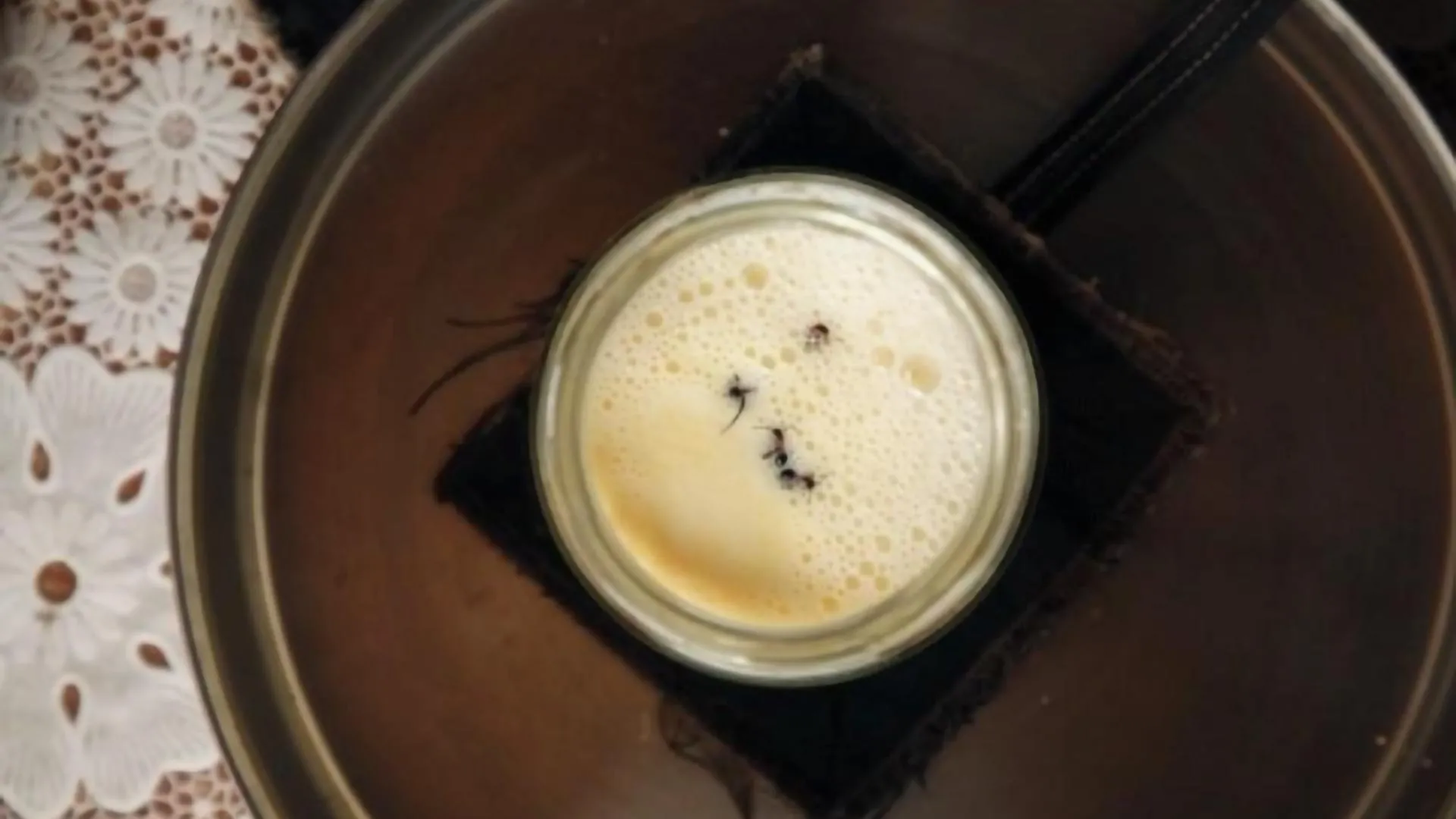
Their research, published in iScience, began with fieldwork in Bulgaria, collaborating with anthropologist Sevgi Mutlu Sirakova and her family. “We dropped four whole ants into a jar of warm milk by the instruction of Sevgi’s uncle and community members,” explains Sinotte. the jar was then placed within an ant mound overnight. The results were remarkable: by morning, the milk had begun to thicken and sour, exhibiting the early characteristics of yogurt.
The Science Behind the Sting
But how do ants contribute to yogurt production? The answer lies in a complex interplay of bacteria, acids, and enzymes. The team’s analysis revealed that red wood ants ( Formica species) harbor a rich community of lactic and acetic acid bacteria – the very microbes responsible for fermenting milk.
Here’s a breakdown of the key mechanisms:
* Microbial Diversity: Traditional yogurts boast a far greater biodiversity of bacteria than commercially produced varieties, leading to a wider range of flavors, textures, and overall character. Ants act as a natural vector for introducing this diversity.
* Acidification: Ants produce formic acid as a natural defense mechanism. This acid lowers the pH of the milk, creating an optimal habitat for acid-loving yogurt microbes to thrive. It also contributes to the yogurt’s texture.
* Enzymatic Action: Enzymes present within the ants, combined with those produced by the bacteria, work synergistically to break down milk proteins, transforming milk into yogurt.
* Sourdough Connection: Interestingly, one bacterial strain identified in the ant yogurt was remarkably similar to those found in commercial sourdough starters, hinting at a potential link between these ancient fermentation techniques.
Live Ants are Key – But Safety Matters
The researchers rigorously tested the process using live, frozen, and dehydrated ants. Crucially, only live ants successfully seeded the necessary microbial community for effective yogurt production. However, they also emphasized the importance of safety.
“Live ants can harbor parasites,” Jahn cautions, “and freezing or dehydrating them can sometimes create conditions for harmful bacteria to proliferate.” Therefore, consuming ant yogurt requires careful sourcing and preparation to ensure it’s safe.Further research is needed to establish safe and scalable methods for utilizing ants in food production.
From Tradition to Haute Cuisine
The team didn’t stop at scientific analysis. They collaborated with chefs at Alchemist, a two-Michelin-star restaurant in Copenhagen, to explore the culinary potential of ant yogurt. The result was a series of innovative dishes, including:
* Ant-Shaped yogurt Ice Cream Sandwiches: A playful nod to the insect’s role in the process.
* Pungent,Tangy Mascarpone-Like Cheeses: Showcasing the unique flavor profile imparted by the ant fermentation.
* Milk Wash-Clarified Cocktails: Utilizing the yogurt’s properties for innovative mixology.
These creations demonstrate that ant yogurt isn’t just a historical relic; it’s a source of inspiration for modern culinary innovation.
Preserving biocultural Heritage
The revival of ant yogurt highlights a broader point about the value of traditional knowledge. “Giving scientific evidence that these traditions have a deep meaning and purpose, even though they might seem strange or more like a myth, I think that’s really stunning,” says Jahn.
Sinotte echoes this sentiment, emphasizing the importance of listening to and learning from ancestral wisdom. “I hope people recognize the importance of community and maybe listen a little closer when their grandmother shares a recipe or memory that seems unusual. Learning from these practices and creating space for biocultural heritage in our foodways is significant.”
The Future of fermentation?
The story of ant yogurt is a compelling reminder that the most innovative solutions often lie in revisiting the wisdom of the past. By combining scientific
Worth a look